Song Meaning
Aaron Sprinkle's "All In A Day's Work" doesn't offer easy platitudes; instead, it grapples with the unsettling paradox of finding peace within trauma. The opening lines paint a picture of lingering unease, a 'room of crooked faces' residing stubbornly in memory. This isn't a celebration of overcoming adversity, but an acknowledgement that profound experiences, even negative ones, reshape our internal landscape. The 'awful word' that now describes 'a sense of peace' suggests a hard-won acceptance, a recognition that healing isn't about erasure, but about integration. Sprinkle seems to suggest that trauma inevitably becomes part of our personal narrative.
The chorus, with its repeated assertion that 'it's all in a day's work,' introduces a fatalistic element. This phrase, typically used to downplay effort, here suggests an almost preordained suffering. The 'day you went out on your own / Is the day you should have known' hints at a loss of innocence, the stark realization that hardship is an inherent part of the human condition. There's a sense of inevitability, as if the challenges we face are simply the price of admission to the adult world.
The bridge shifts perspective, introducing a divine presence offering solace. The 'heart that I never will discard' and the reference to 'My scar' allude to Christ's sacrifice, framing suffering as a shared experience. This isn't a dismissal of pain, but an invitation to find connection and meaning within it. The final verse, with its promise of warmth and companionship, offers a glimmer of hope. The invitation to 'fly / To a place that's warm' suggests a transcendence of earthly struggles, a vision of solace achieved through shared experience and faith. Ultimately, "All In A Day's Work" explores the complex interplay of trauma, acceptance, and the search for meaning in a world often defined by suffering.
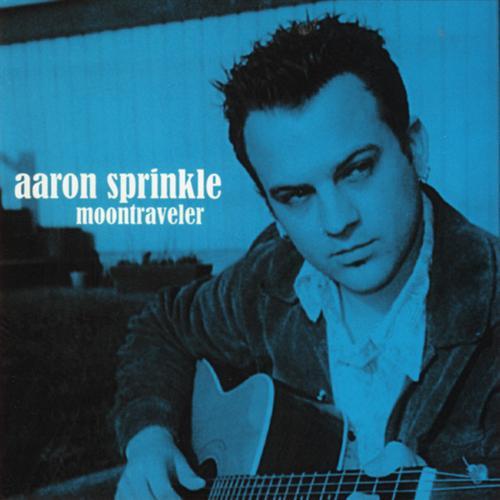
 View Artist