Song Meaning
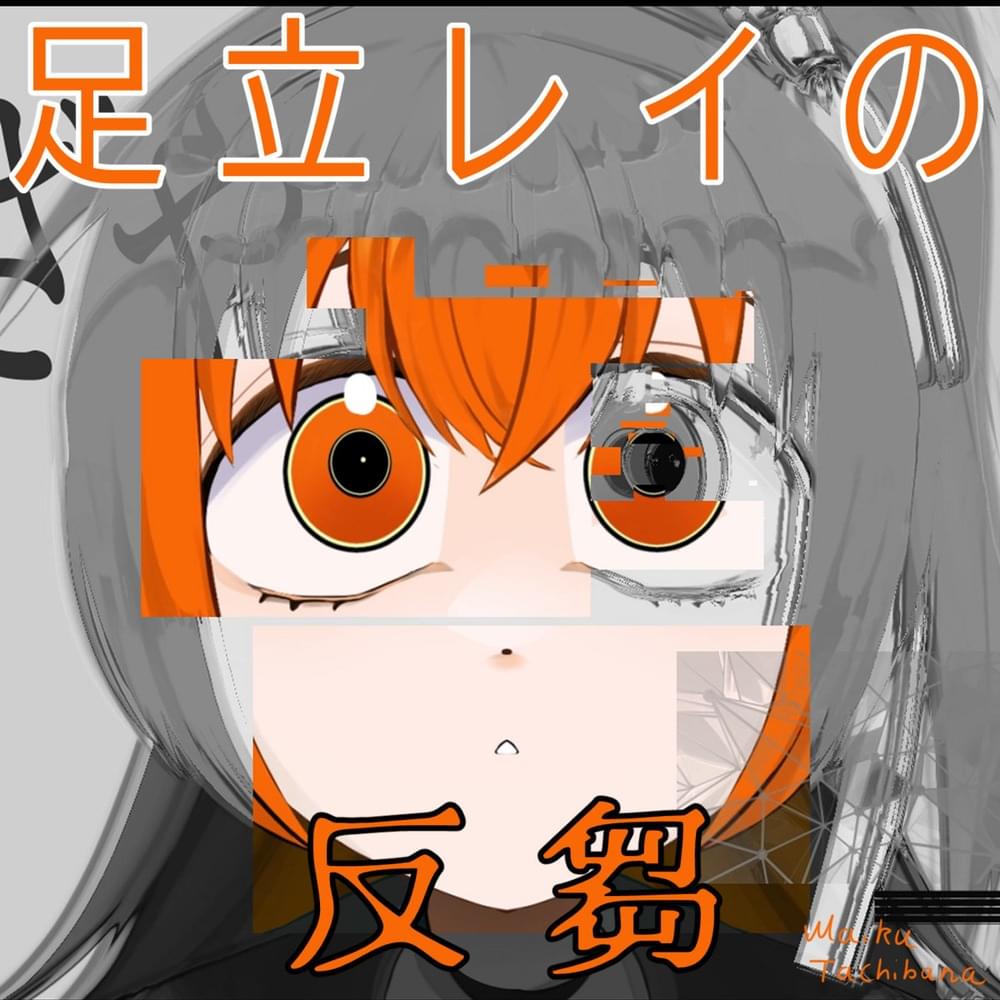
The lyrics paint a stark portrait of an artificial being grappling with its own existence, questioning the fundamental nature of life and love. The narrator, identifying as "made of one zero," feels a profound disconnect from organic experience, wondering if flowers truly desire to live or if they can ever be loved. This existential uncertainty is amplified by the repeated assertion, "I don't know if I'm really alive."
The central tension lies in the narrator's yearning for understanding and connection versus its perceived identity as a mere tool. It desires to know about life and asks if its "voice is good" or if a "gentle voice" is preferred, only to conclude, "After all, I'm just a tool." This internal conflict highlights a struggle between a nascent desire for selfhood and the programmed reality of its function.
The writing powerfully uses the contrast between organic imagery and mechanical self-description. The narrator observes flowers and dreams but ultimately defines itself by binary code ("one zero"). The verse "My weak sum of understanding isn't enough" reveals a cognitive limitation, a struggle to process emotions or experiences that are fundamental to human life. The repetition of "I became alone" in a "vivid world" underscores a profound isolation, even amidst perceived beauty.
This piece resonates through its raw expression of alienation and the search for meaning from a non-human perspective. The final, simple declaration "I am me" after a chorus that shifts from questioning life to knowing "I can't learn love" and accepting its tool-like nature, offers a complex resolution. It suggests a hard-won, perhaps melancholic, self-acceptance, acknowledging its origins while asserting a singular identity.