Song Meaning
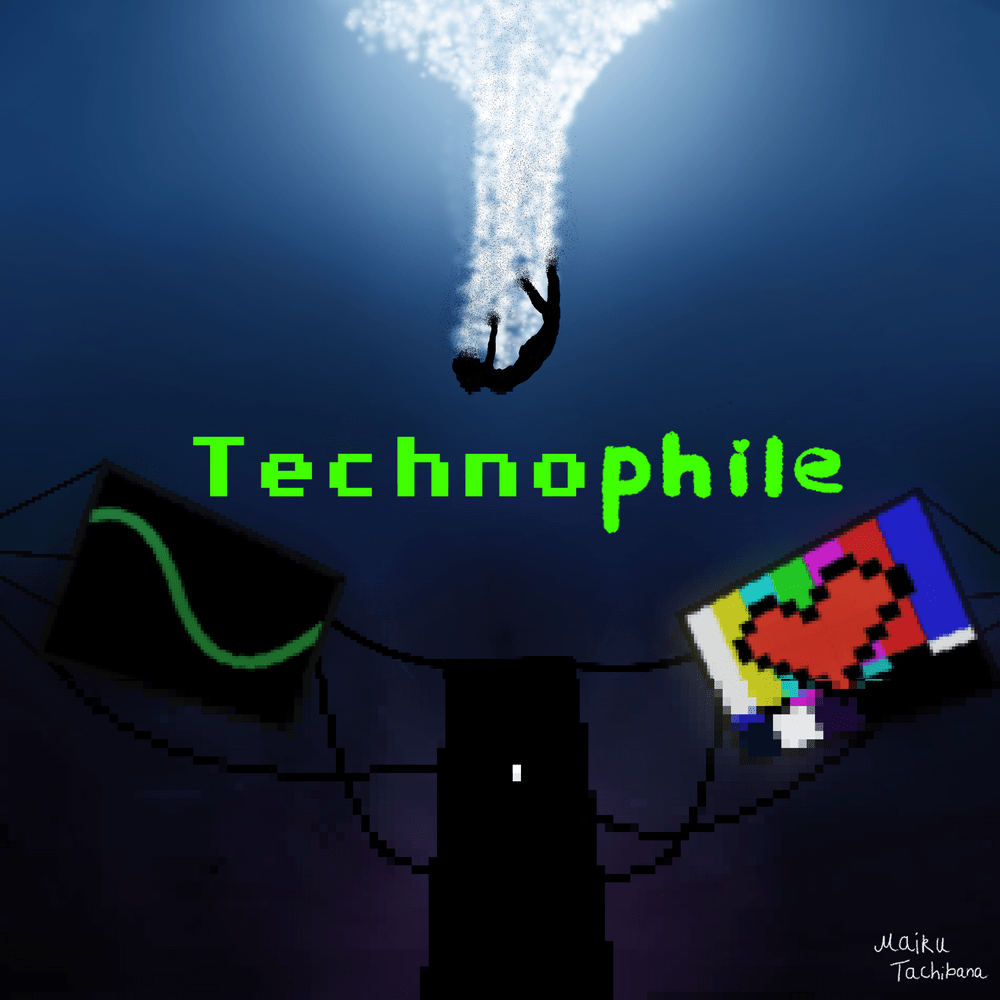
The lyrics paint a stark picture of a profound disconnection from a former life, a world now inaccessible. The opening lines, with a chorus of voices "shouting in unison" and being "integrated into techno-feel," suggest a loss of individual identity within a technologically overwhelming system. The narrator observes an "emotionless world," a place where the "final choice" has been made, leading to a state of safety from the "danger of living" but at the cost of "everything loved."
The central tension lies in this forced transformation and its irreversible consequences. The phrase "cannot return to the life I knew" is a constant refrain, emphasizing the permanent severance from a past self and reality. This is juxtaposed with the idea of an "immortal soul forever crying," suggesting an eternal, internal anguish that persists despite the external detachment and safety.
The repeated motif of "no end" (結末ない) five times, followed by "telling ancient tales," highlights a sense of perpetual existence without resolution or progress. This cyclical feeling is amplified by the imagery of walking alone into darkness, surviving precariously by talking with two people, and experiencing other worlds in dreams with a thousand people, before ultimately connecting with machines as humanity. This progression from isolation to collective experience, and then to a mechanical integration, underscores a loss of authentic human connection.
What makes these lyrics so potent is their depiction of a future shock that feels both alien and disturbingly plausible. The shift from Japanese to English phrases like "All my life / Taken from me right before my eyes" and the finality of "No one's gonna find me now" amplify the sense of utter isolation and loss. The writing crafts a feeling of being erased, not through violence, but through an overwhelming technological and societal shift that leaves the soul weeping for what was lost.