The Ghost God Era: Why the Most Famous Musicians of 2026 Are Impossible to Find
Latest News

Senior Music Editorial Desk
For the last fifteen years, the rulebook for musical success was simple: Be everywhere. Post on TikTok three times a day. Live-stream your breakfast. Reply to comments. The logic was that attention is currency, and silence is death.
But if you look at the top-tier cultural icons of January 2026, a strange pattern emerges. They aren't on your "For You" page. In fact, they aren't online at all. We have officially entered The Ghost God Era, where the ultimate status symbol for an artist is the ability to completely disappear—and have the world chase them.
The Luxury of Silence
This pivot toward mystery is the high-end counterpart to the gritty realism we discussed in our report on The Great Unpolishing. While indie bands are proving their authenticity through sweat and bad lighting, superstar artists like Frank Ocean (the godfather of this movement) and Playboi Carti have proven that scarcity creates obsession.
In an age of over-stimulation, "content" has become cheap. If an artist gives you everything, their value drops. But if an artist gives you nothing? Their value skyrockets. The "Ghost God" doesn't do interviews. They don't do promo runs. They drop a cryptic coordinate on a burning website and let the fans figure it out.
The Dark Web Drop
So how do you consume music if the artist isn't posting links? You have to hunt for it. This aligns perfectly with The Compact Disc Renaissance. Fans are now trading encrypted files on Signal groups or hunting for physical USB drives hidden in cities, reminiscent of the Hyper-Local scenes we analyzed yesterday.
It turns music release into a treasure hunt rather than a passive feed scroll. It demands active engagement. You can't just passively listen to a Ghost God; you have to be initiated into the cult.
Killing the Parasocial Relationship
For a decade, pop culture relied on "parasocial relationships"—the illusion that you and Taylor Swift are best friends. But 2026 marks the death of that illusion. The new wave of lyrics, which we noted are ditching "therapy speak" for chaos, are no longer trying to be relatable. They are trying to be alien.
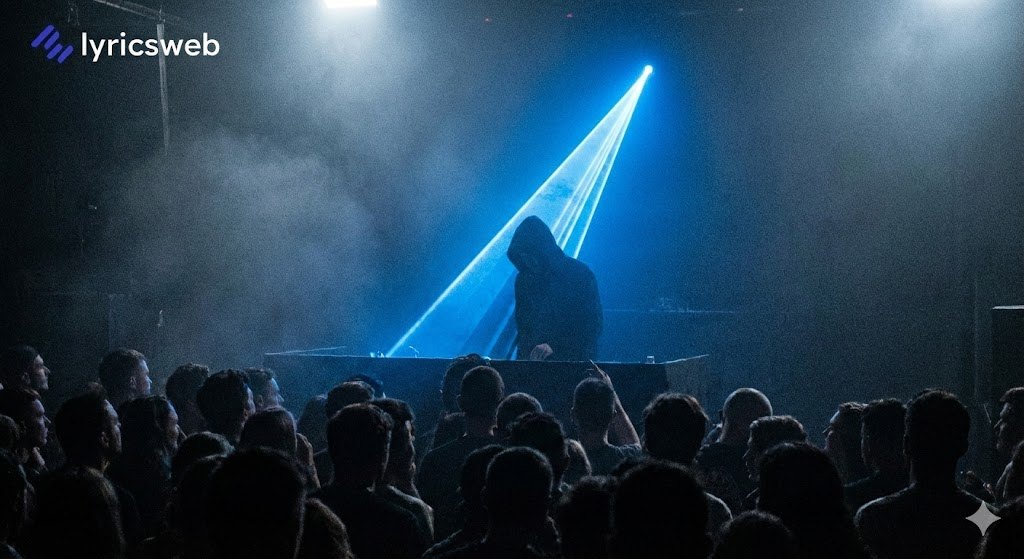
By removing themselves from the daily discourse, artists protect their mystique. They become larger than life again. They become myths. When they finally do step on stage, usually in a stripped-back setting that mirrors the death of the blockbuster spectacle, the energy is religious. It’s not just a concert; it’s a visitation.
The Signal is Stronger in the Noise
The irony, of course, is that by saying nothing, these artists generate more noise than anyone else. A single black square posted by a Ghost God generates more press than a month of TikTok dances by a rising star. It forces us to ask: do we actually like the music, or were we just addicted to the personality? In 2026, we are finally listening to the music again, simply because there is nothing else to look at.
About the Author
Senior Music Editorial Desk
LyricsWeb Editorial Team delivers trusted, research-backed coverage of music news, artist updates, and industry trends. As the Senior Music Editorial Desk, the team combines editorial expertise with cultural insight to publish accurate, timely, and reader-focused stories across genres.