Forget the World Tour: Why 2026’s Most Vital Music Scenes Are Hyper-Local
Latest News
Senior Music Editorial Desk
For the last decade, the dream of every aspiring musician was the same: blow up on an algorithm, sign a global distribution deal, and embark on a 200-date stadium tour that leaves you spiritually bankrupt by age 25. We celebrated globalization. We loved that a kid in Seoul, a kid in Berlin, and a kid in Chicago were all listening to the same playlist at the same time.
But in January 2026, the mood has shifted. The global monoculture feels thin, stretched to its breaking point. We are witnessing a massive, exhilarating retreat into the Hyper-Local. The coolest thing you can be right now isn't a worldwide sensation; it's a neighborhood hero.
The Revolt Against the Screen
This trend is the inevitable climax of the movements we’ve been tracking this week. When everything is available everywhere all at once, nothing feels special. The urge to connect with a specific, physical geography is the same impulse driving The Compact Disc Renaissance. Just as we want music we can hold in our hands, we want scenes we can stand inside of. We want to smell the stale beer and feel the sweat of 200 people packed into a room built for 50.
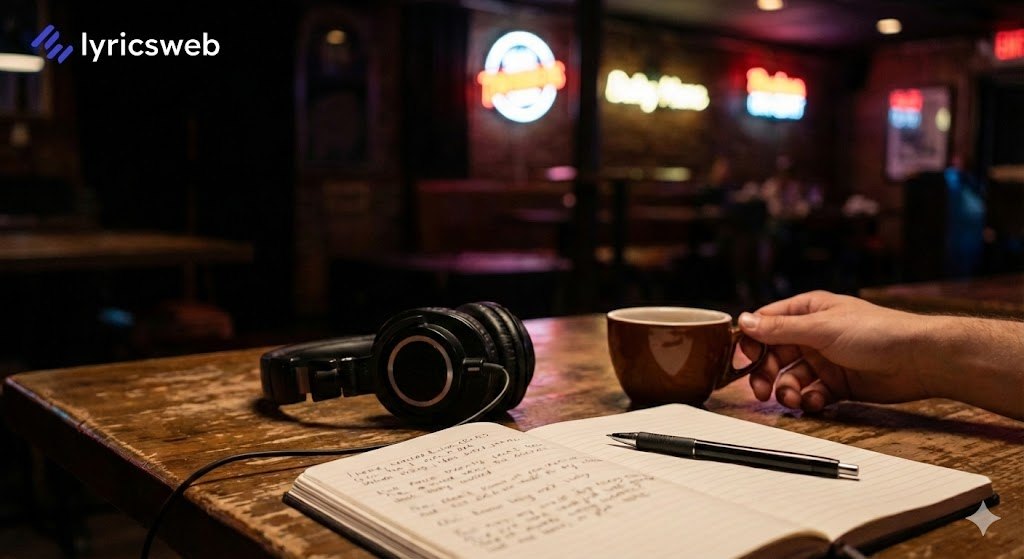
The new vanguard of artists understands that the internet is a tool for distribution, not for community building. Real community happens when you see the same faces at the same dive bar every Tuesday night. It’s an exclusivity based on presence, not wealth.
South London vs. East Nashville
Look at what’s happening in South London right now. There’s a burgeoning scene of angular, aggressive post-punk bands who have zero interest in polished music videos—a trend aligning with our report on the death of the blockbuster clip. They aren't trying to appeal to a global audience; they are writing hyper-specific lyrics about their own streets, their own pubs, their own inside jokes.
Simultaneously, in East Nashville, an alt-country revival is rejecting the slick sounds of Music Row in favor of something grittier and more communal, mirroring the raw energy we saw in the return of Indie Sleaze aesthetics.
The New Lyrical Intimacy
When you write for the people in your zip code rather than a faceless global algorithm, the songwriting changes. It becomes more honest. You can't hide behind generic buzzwords when your audience knows where you live. This environment fosters the kind of messy, "anti-therapy speak" lyrics we discussed in Goodbye, Trauma Plot.
These tiny rooms are also where musical risks pay off. A complex, six-minute song structure that requires patience—like the ones we analyzed in The Anti-Drop movement—might get skipped on TikTok, but in a sweaty basement at 1 AM, it becomes a religious experience. It builds the kind of tension that leads to the euphoric release of a massive bridge (see: The Bridge is Back), creating a shared moment that can’t be replicated digitally.
Sustainability Over Stardom
Ultimately, the hyper-local movement is about survival. Touring has become prohibitively expensive and ecologically disastrous. By building sustainable ecosystems at home, artists are reclaiming control. They are realizing that being meaningful to 5,000 people in your city is way more powerful—and way more rock and roll—than being mild background noise to 5 million strangers on the internet.
So, cancel your ticketmaster queue. The best show on earth right now is probably happening down the street, in a venue that doesn't even have a website.
About the Author
Senior Music Editorial Desk
LyricsWeb Editorial Team delivers trusted, research-backed coverage of music news, artist updates, and industry trends. As the Senior Music Editorial Desk, the team combines editorial expertise with cultural insight to publish accurate, timely, and reader-focused stories across genres.