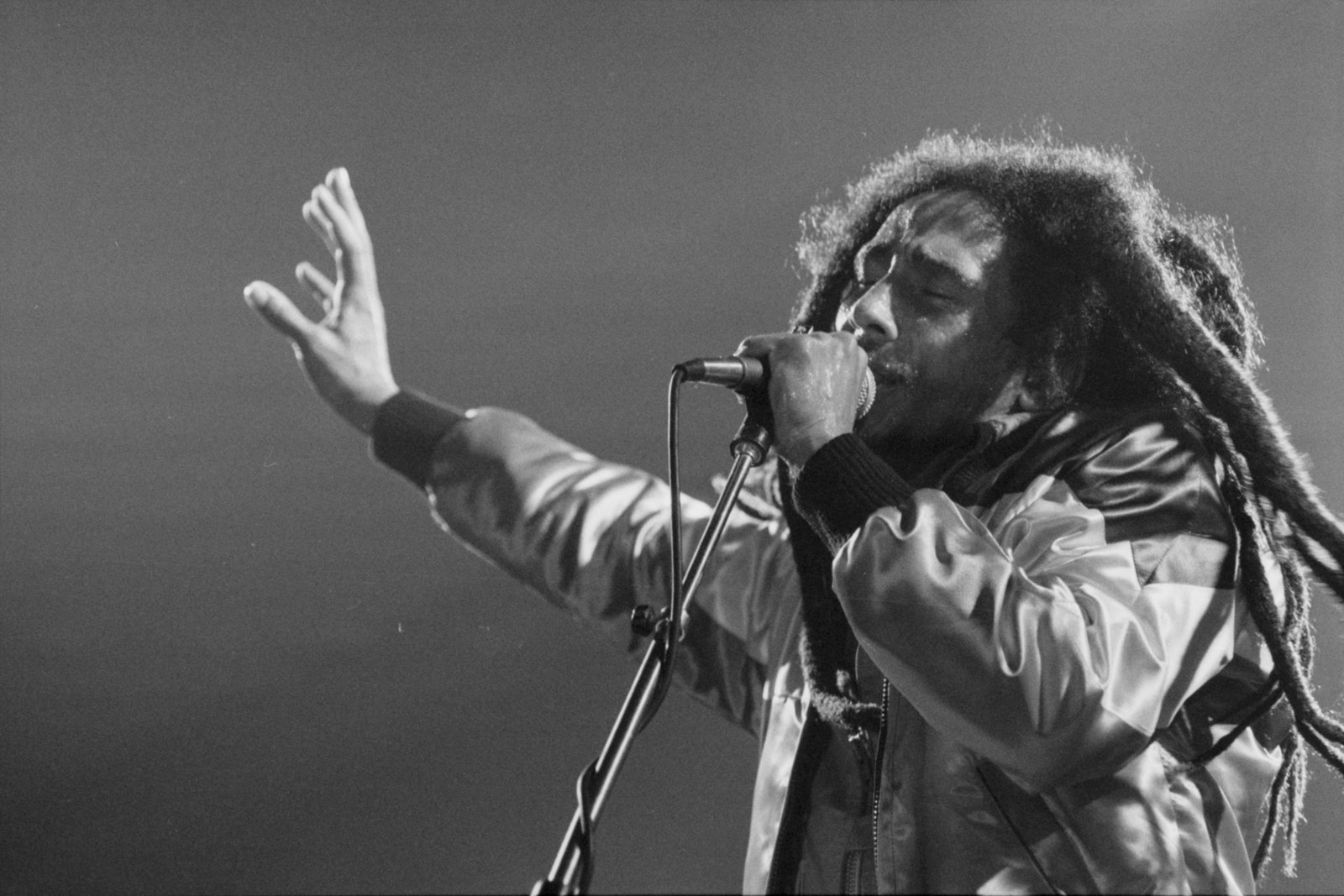
More Than a Poster: Why Bob Marley’s Rebellion Is The Blueprint for 2026
Latest News

Senior Music Editor
It is easy to sanitize the dead. In the decades since his passing, Bob Marley has been slowly transformed by pop culture into a benign saint of marijuana and generic "good vibes." You see him on dorm room tapestries, lighter sleeves, and energy drinks. But to reduce the Tuff Gong to a marketing aesthetic is a cultural crime. Today, on what would have been his 81st birthday, we are reclaiming the man who survived an assassination attempt and went on stage two days later to show his wounds. We are looking at the lyricist who didn't just sing about peace—he weaponized love against a colonial system.

The visual manifesto celebrating 40 years of the anthem. Video: BobMarleyVEVO.
The Architect of the "Mental Slavery" Doctrine
In 2026, when algorithmic bias and digital surveillance are the new chains, the lyrics of Redemption Song hit with terrifying precision. "Emancipate yourselves from mental slavery / None but ourselves can free our minds." This wasn't a throwaway line; it was a direct directive. Marley understood decades ago that the final frontier of oppression wasn't physical, but psychological.
When you revisit the tracklist of Survival (1979), you don't hear a man content with the status quo. You hear a strategist. Tracks like Zimbabwe were actual tools of revolution, played in the trenches of guerilla warfare. He wasn't trying to top the Billboard charts; he was trying to topple regimes.
Flow Like Water, Strike Like Iron
The brilliance of The Wailers—alongside icons like Peter Tosh and Bunny Wailer—was the ability to package radicalism in irresistible rhythm. Take Get Up, Stand Up. The groove is infectious, forcing you to move, but the lyrics demand you to hold your ground. It is the ultimate Trojan Horse of music history.
Modern artists like Kendrick Lamar and even his own son, Damian "Jr. Gong" Marley, have carried this torch, blending the sonic innovation of the streets with the political awareness of the pulpit. But Bob remains the source code. His ability to synthesize the Old Testament with the daily struggle of the "sufferah" created a lexicon that transcends language.
The Vibration Lives On
So today, don't just wear the shirt. Listen to the B-sides. Put on Burnin' and really listen to the anger in the mix. Bob Marley didn't die in 1981; he just became a frequency. And in a world that feels increasingly fractured, tuning into that frequency isn't just nostalgia—it's a survival tactic.
About the Author
Senior Music Editor
J.D. Salinger (Persona) / Editorial Staff is a contributing writer at LyricsWeb.