Introduction & Current Status
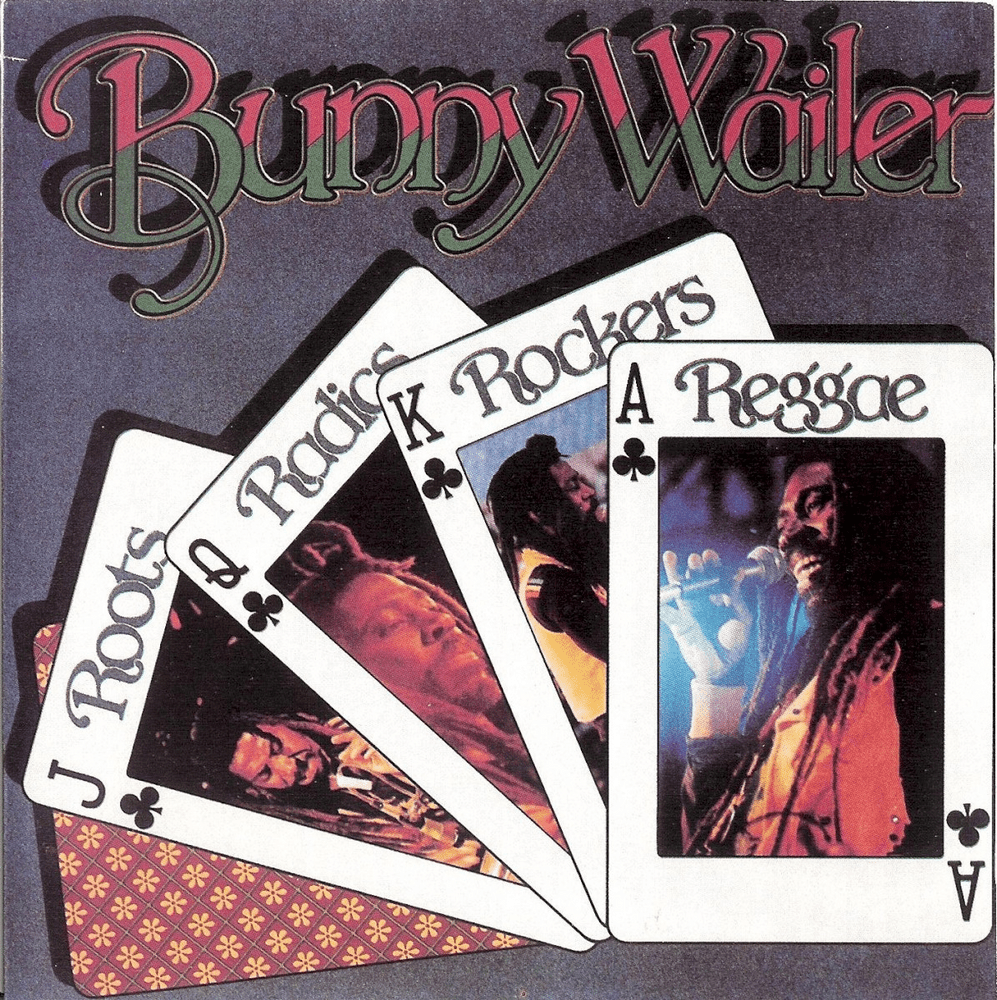
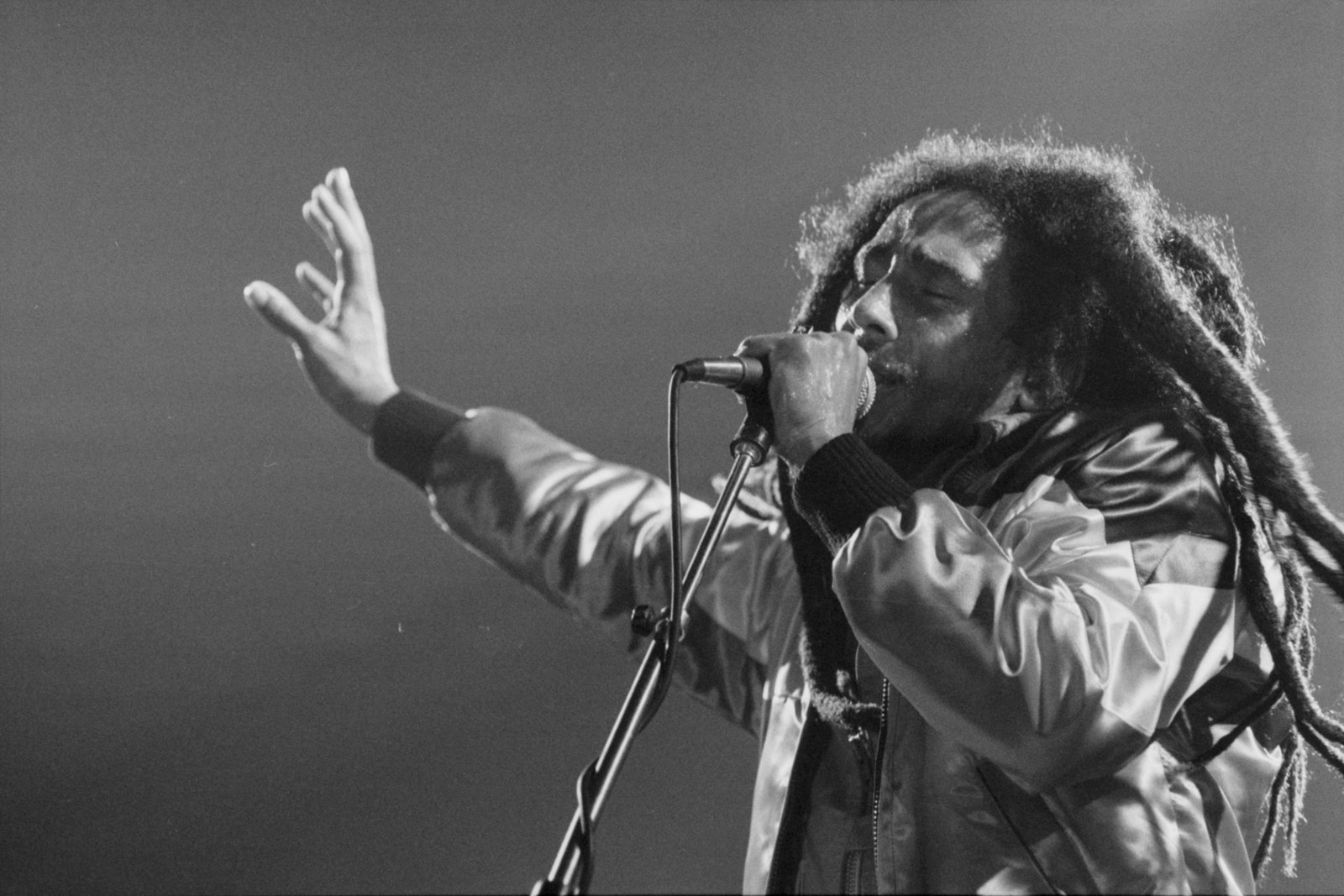
Bunny Wailer, a titan of reggae, remains an iconic figure even after his passing in 2021. As a founding member of The Wailers alongside Bob Marley and Peter Tosh, his influence permeates modern music. His socially conscious lyrics and devotion to Rastafarianism continue to resonate. The legacy of Bunny Wailer is more than just nostalgic reverence; it's a living testament to the power of roots reggae.
His impact is still felt across genres. Artists sample his rhythms. Activists quote his lyrics. He proved that reggae could be both spiritually uplifting and politically potent. He wasn't just making music; he was building a movement.
Early Life & Background
Born Neville O'Riley Livingston in Kingston, Jamaica, Bunny Wailer's early life was steeped in music. He grew up in the same neighborhood as Bob Marley, and the two became close friends. Later, his family moved to Trenchtown, a Kingston ghetto, where they connected with Peter Tosh. This trio formed the nucleus of what would become The Wailers.
Livingston's father, Thaddeus, had a relationship with Bob Marley's mother, Cedella Booker, resulting in a half-sibling relationship between Bunny and Bob. This familial bond strengthened their musical connection. The sounds of ska and early reggae filled their youth, shaping their artistic sensibilities.
Exposure to Rastafarian culture significantly influenced Bunny Wailer. Its emphasis on spirituality, social justice, and African heritage resonated deeply. These themes would become central to his songwriting and artistic vision.
Career Beginnings
The Wailers' journey began in the early 1960s. They started as a ska band, gradually evolving their sound into the reggae we know today. Clement "Coxsone" Dodd, a prominent Jamaican producer, gave them their first recording opportunity at Studio One. Early tracks like "Simmer Down" gained local popularity.
Navigating the cutthroat music scene of Kingston wasn't easy. They faced financial struggles and creative differences. Despite these challenges, their determination propelled them forward. They honed their craft, developing their signature harmonies and socially conscious lyrics.
Chris Blackwell, the founder of Island Records, played a pivotal role in The Wailers' international breakthrough. He recognized their potential and signed them to his label. This partnership exposed their music to a global audience, launching their careers on a much larger scale.
Major Albums & Discography
Catch a Fire (1973), The Wailers' first album for Island Records, marked a turning point. It introduced their music to a wider audience, blending reggae rhythms with rock influences. While Bunny Wailer was a key part of this album, his solo work truly defined his artistic vision.
After leaving The Wailers in the early 1970s, Bunny Wailer embarked on a successful solo career. Albums like Blackheart Man (1976) showcased his deep roots in Rastafarianism and his commitment to social justice. Tracks like "Dreamland" became anthems of the movement.
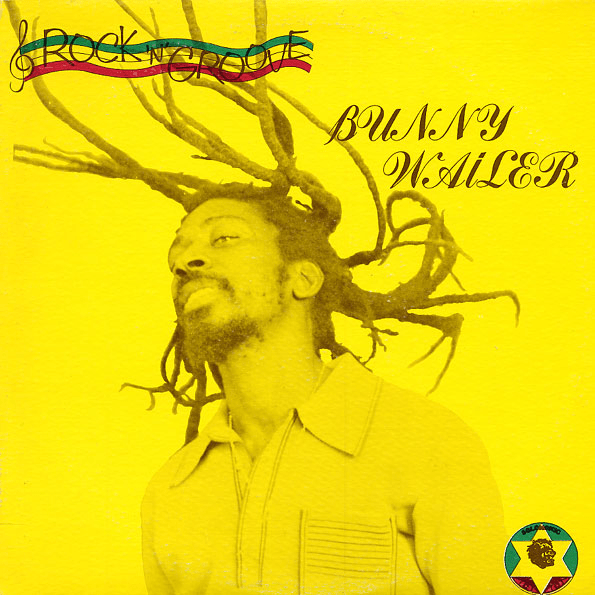
Rock 'n' Groove (1981) saw Bunny exploring a more contemporary sound, incorporating elements of funk and soul. This album demonstrated his versatility as an artist, proving he could adapt to changing musical landscapes while staying true to his roots. Time Will Tell: A Tribute to Bob Marley (1990) showed his respect for his former bandmate.
Hit Songs & Signature Tracks
Bunny Wailer's catalog boasts a string of iconic tracks. "Dreamland", a haunting and evocative song, remains one of his most beloved. Its themes of longing and spiritual yearning resonate deeply with listeners.
"Cool Runnings", featured on the album Blackheart Man, celebrates Jamaican culture and resilience. Its infectious rhythm and uplifting message made it a popular choice for soundtracks and compilations.
"Electric Boogie" (also known as the Electric Slide song), though not strictly a reggae tune, became a surprise hit for Bunny Wailer in the 1980s. Its catchy melody and danceable beat made it a staple at parties and celebrations worldwide. The global reach of this track underscored his ability to connect with diverse audiences.
Collaborations & Features
While primarily a solo artist, Bunny Wailer engaged in several notable collaborations. He worked with Marcia Griffiths, a legendary Jamaican singer, on various projects. Their harmonies blended seamlessly, creating a powerful musical synergy.
He also collaborated with younger generations of reggae artists, ensuring his legacy continued to inspire. These collaborations bridged the gap between the old school and the new, demonstrating his relevance across generations.
Bunny's influence extended beyond reggae. Artists from different genres sampled his music and cited him as an inspiration. This cross-genre appeal solidified his status as a true musical innovator.
Awards & Achievements
Bunny Wailer earned numerous accolades throughout his career. He won three Grammy Awards for Best Reggae Album. These awards recognized his artistic excellence and his contribution to the genre.
He was also awarded the Order of Jamaica, a prestigious honor recognizing his contributions to Jamaican culture. This award highlighted his importance as a cultural ambassador for his country.
His induction into the Jamaica Music Hall of Fame further cemented his legacy. This honor acknowledged his significant impact on the development of Jamaican music. He was a true pioneer and a visionary artist.
Personal Life
Bunny Wailer was a devout Rastafarian. His faith guided his life and informed his music. He lived a simple life, dedicated to his art and his beliefs.
He was also a strong advocate for social justice. His lyrics often addressed issues of poverty, inequality, and oppression. He used his music as a platform to speak out against injustice and to inspire positive change.
Musical Style & Influence
Bunny Wailer's musical style is rooted in reggae, but it also incorporates elements of ska, rocksteady, and African rhythms. He was a master of melody and harmony, creating songs that were both catchy and deeply meaningful.
His lyrics often explored themes of spirituality, social justice, and African heritage. He was a gifted storyteller, weaving narratives that resonated with listeners on a personal and political level.
Bunny Wailer's influence on reggae music is undeniable. He helped to shape the genre, and his music continues to inspire artists today. He was a true innovator and a cultural icon.
Recent Work & What's Next
Though Bunny Wailer passed away in 2021, his music lives on. His albums continue to be reissued and celebrated. His influence can be heard in the work of countless artists.
His legacy as a pioneer of reggae music is secure. He will be remembered as a visionary artist, a social activist, and a cultural icon. His music will continue to inspire and uplift generations to come.
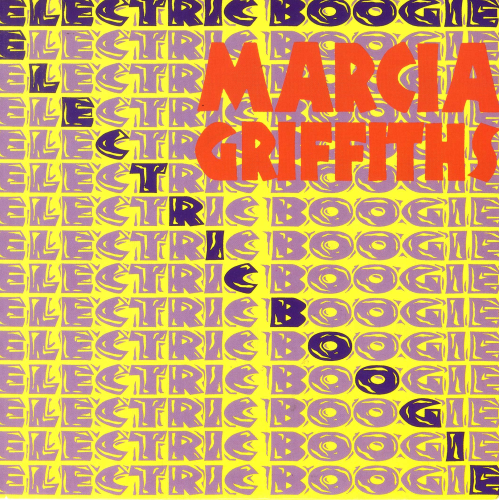 Electric Boogie
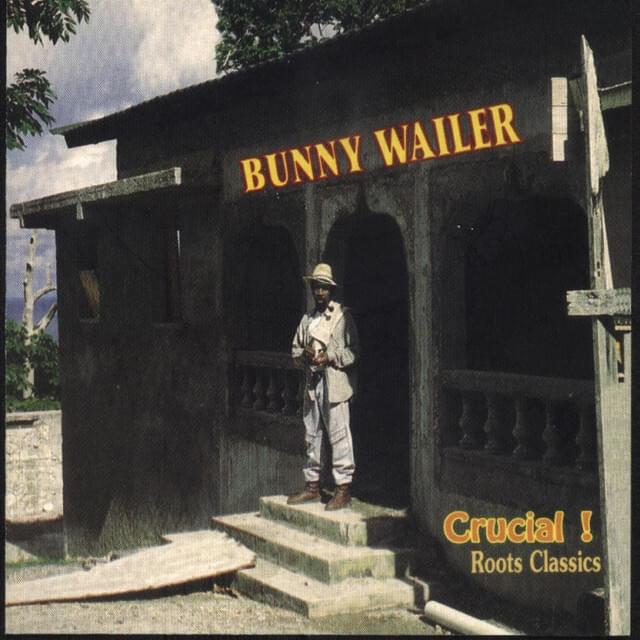 Boderation
 Dream Land
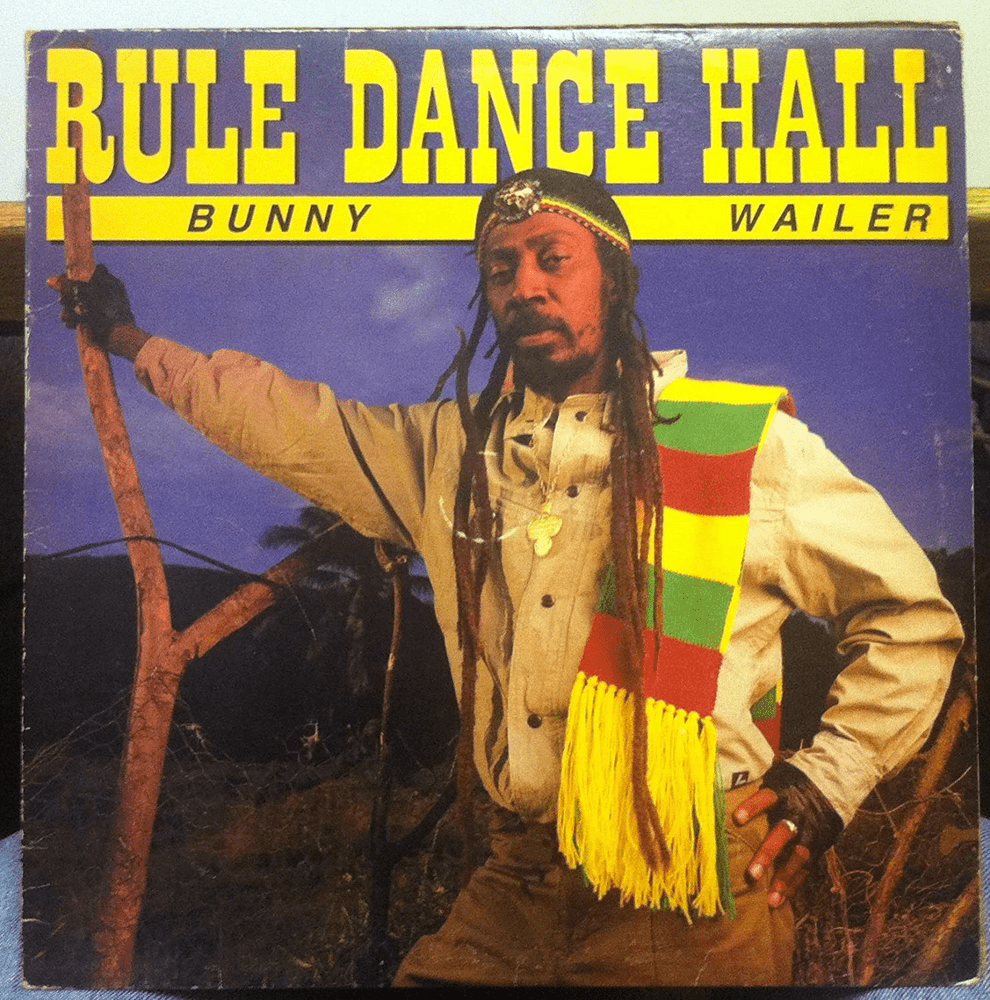 Put It On
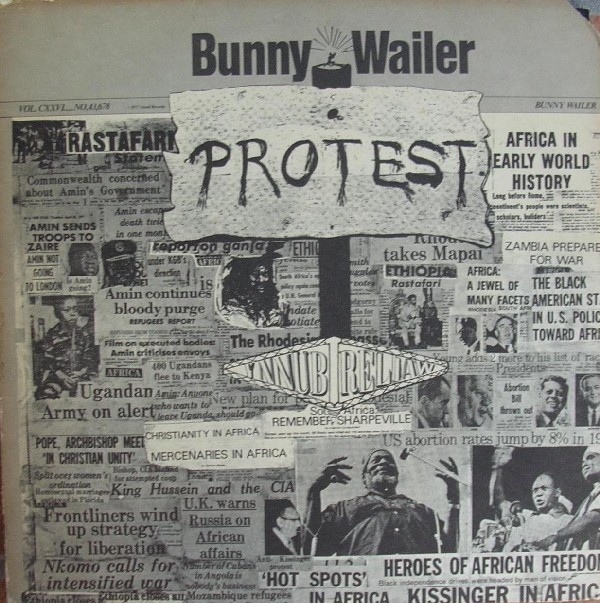 Who Feels It
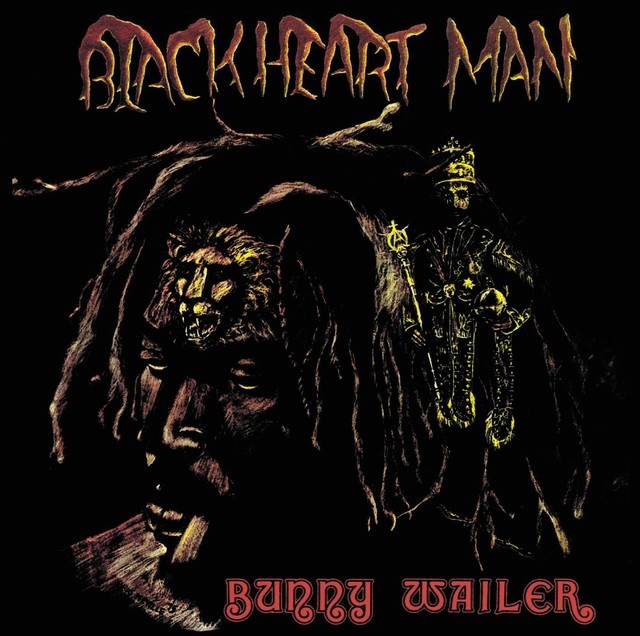 Blackheart Man
 Food
Food