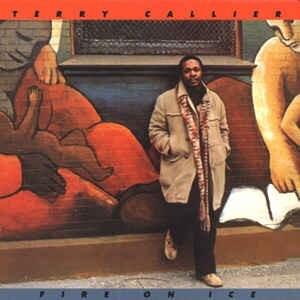
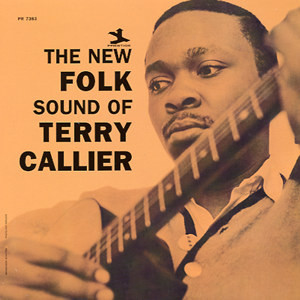
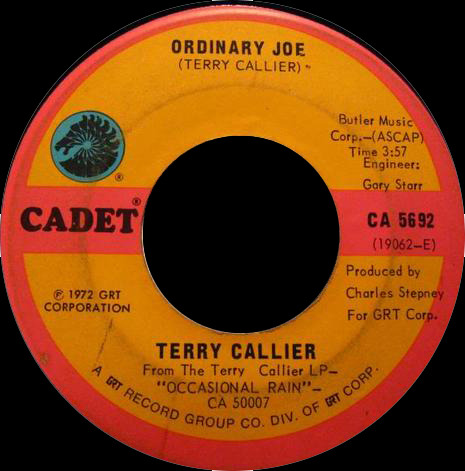
Terry Callier, a name synonymous with soulful introspection and a genre-bending approach to music, remains a figure both celebrated and somewhat shrouded in mystery. Born in Chicago in 1945, Callier's musical journey began in the vibrant crucible of the city's blues and jazz scene. His sound, however, quickly evolved beyond simple categorization, weaving together elements of folk, soul, jazz, and even hints of psychedelia into a tapestry uniquely his own. He possessed a voice that was both soothing and deeply resonant, capable of conveying profound emotion with seemingly effortless grace. Callier's early work, though critically acclaimed, often struggled to find mainstream success, leading to periods where he stepped away from the music industry, only to be rediscovered by new generations of listeners who were drawn to the timeless quality of his songs.
While commercial recognition may have eluded him for stretches of his career, Callier's influence on contemporary music is undeniable. His lyrics, often poetic and philosophical, explored themes of love, loss, social consciousness, and the search for meaning in a complex world. He wasn't afraid to tackle challenging subjects, and his music often served as a mirror reflecting the hopes and anxieties of his time. This is evident in songs like Johnny Be Gay If You Can Be, a song ahead of its time in its message of acceptance and tolerance.
Callier's career experienced a significant resurgence in the late 1990s and early 2000s, fueled by collaborations with artists in the electronic music scene and a renewed interest in his earlier recordings. This period saw him reach new audiences and cement his status as a cult figure. He continued to tour and record until his untimely death in 2012, leaving behind a rich and diverse body of work that continues to inspire and move listeners today. He could take traditional songs and make them his own, as evidenced by his unique take on Cotton Eyed Joe.
Callier's ability to blend genres seamlessly is particularly striking. He was equally comfortable exploring the introspective depths of folk music as he was delving into the rhythmic complexities of jazz. His song, Running Around, showcases his ability to weave a narrative with both music and lyrics. His voice, smooth and compelling, draws the listener into the heart of the story. The beauty of his music lies in his ability to connect with his audience on a deeply personal level. His songwriting reveals a gentle soul searching for connection in a world often filled with discord. Even when singing about heartbreak, as in Chelsea Blue, there's a sense of hope and resilience that shines through. Another example is Love Can Do. Terry Callier's music remains a testament to the power of artistry, authenticity, and the enduring human spirit. He will be sorely missed. His work, including Promenade in Green, will continue to be celebrated for generations to come.