Introduction & Current Status
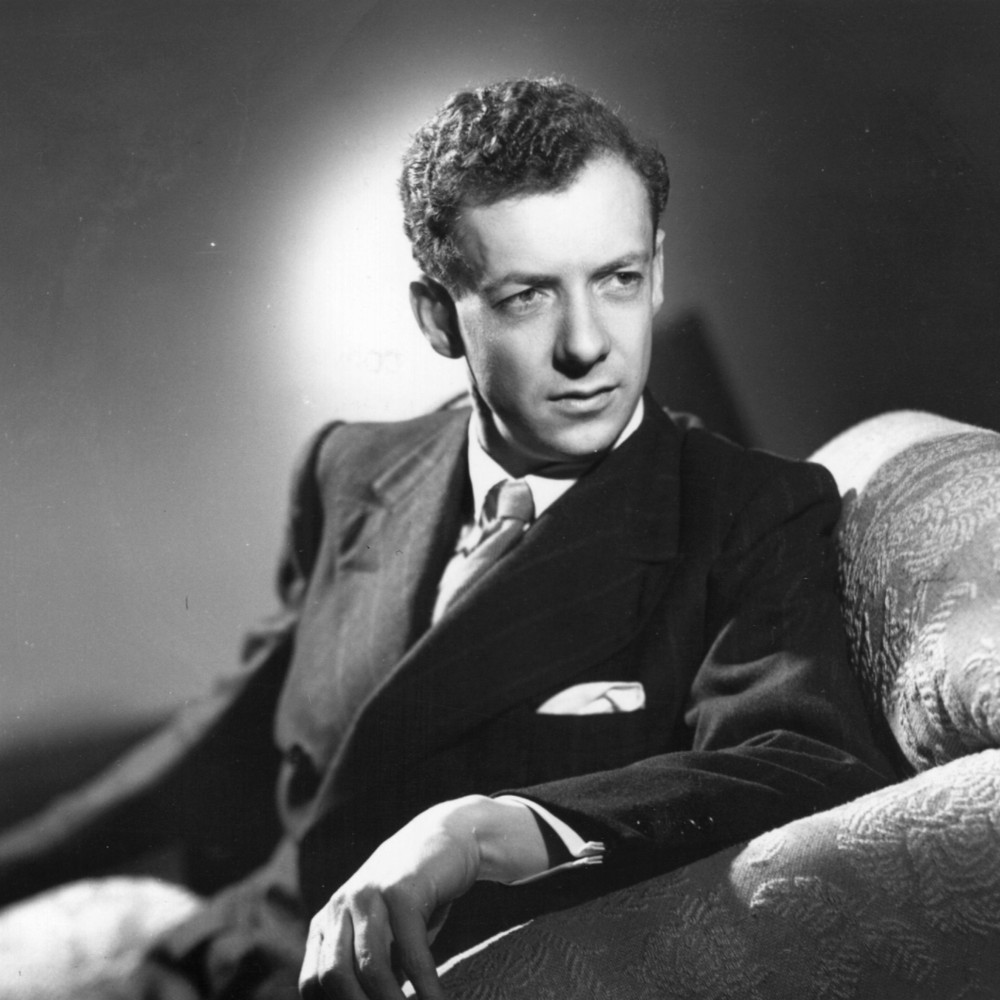
Benjamin Britten might not be topping the Spotify charts today, but trust, his influence is everywhere. This 20th-century British composer, pianist, and conductor basically redefined modern opera and vocal music. His works are constantly being performed worldwide, proving that classical music can still be totally relevant. Think of him as the OG classical music disruptor.
Britten's music tackles heavy themes like war, innocence, and the corruption of power, which, let's be real, are always gonna be relevant. Plus, his innovative approach to composition made classical music way more accessible. He's a legend, plain and simple. So, whether you're a seasoned opera buff or just dipping your toes into classical, Britten is the perfect gateway artist.
Early Life & Background
Born in Lowestoft, Suffolk, England, in 1913, Benjamin Britten was clearly destined for greatness. His mom was a talented amateur musician, and she gave him his first piano and viola lessons. By the time he was a kid, he was already composing up a storm. Talk about main character energy!
He soaked up all kinds of musical influences, from Bach and Mozart to Mahler and Debussy. But it was his teacher, Frank Bridge, who really pushed him to find his own voice. Bridge encouraged Britten to explore unconventional harmonies and tackle socially conscious themes in his work. Basically, he gave Britten the tools to become the groundbreaking artist we know today.
Career Beginnings
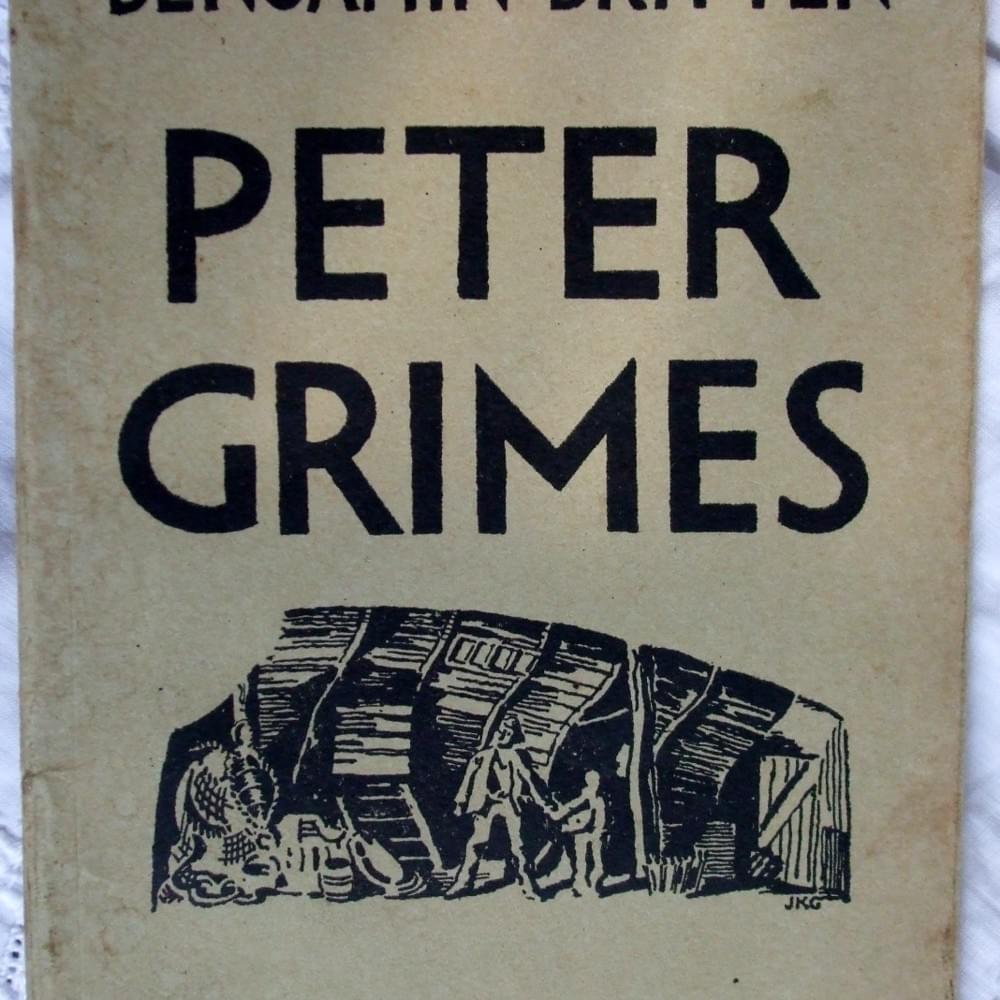
Britten's career took off in the 1930s. He started writing for film and radio, honing his skills in orchestration and vocal writing. In 1934, he composed Our Hunting Fathers, a song cycle that was considered pretty controversial at the time. Its anti-war message and experimental musical language raised eyebrows, but it also established Britten as a force to be reckoned with.
Another pivotal moment was meeting the tenor Peter Pears. Their professional partnership quickly blossomed into a lifelong personal relationship. Pears became Britten's muse and the interpreter of many of his most famous roles. Together, they formed an unstoppable creative duo, pushing the boundaries of vocal music and opera.
Major Albums & Discography
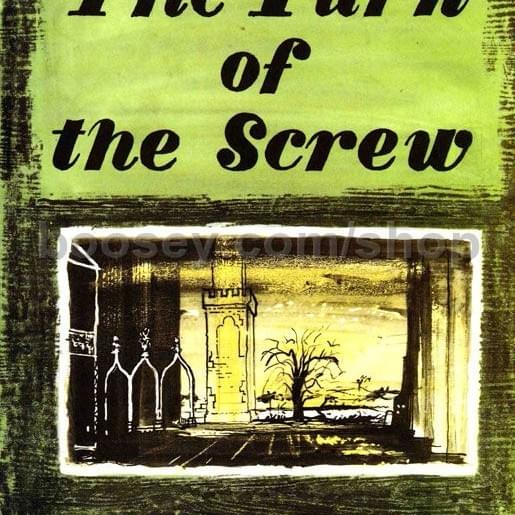
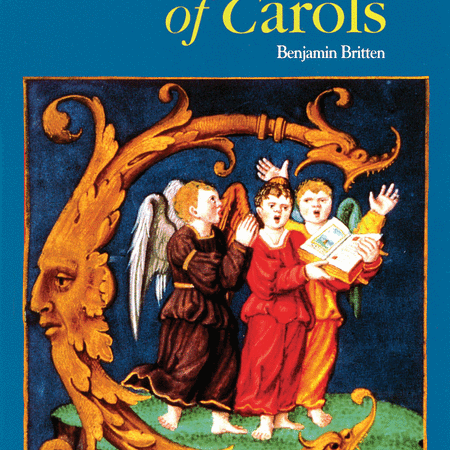
Britten's discography is packed with iconic works. A Ceremony of Carols, composed in 1942, remains a holiday staple. Its ethereal beauty and inventive use of voices and harp make it a total vibe. Then there's The Turn of the Screw (1954), a chilling opera based on Henry James's novella. This one is straight-up haunting.
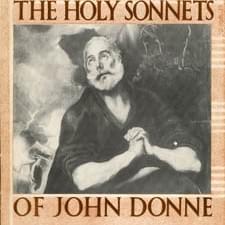
War Requiem, premiered in 1962, is arguably Britten's masterpiece. It's a powerful statement against war, blending traditional Latin Requiem texts with poems by Wilfred Owen. This album is a gut-punch of emotion. Don't sleep on The Holy Sonnets of John Donne, Op. 36 either. The way Britten sets these intense poems to music? Chef's kiss.
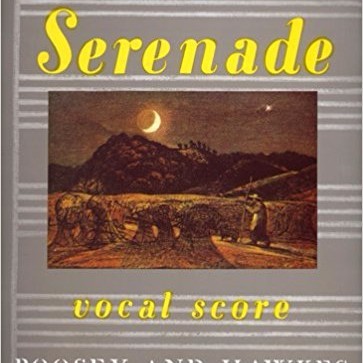
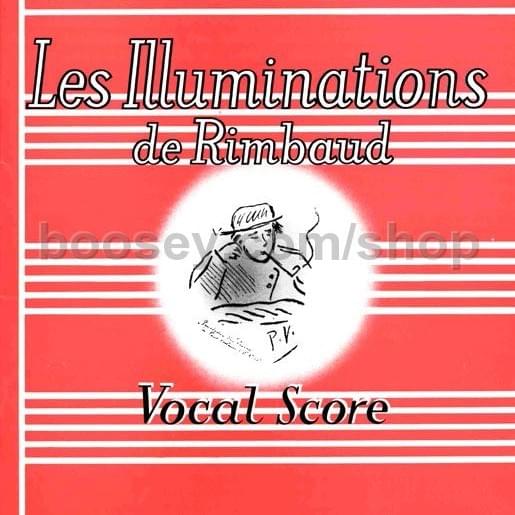
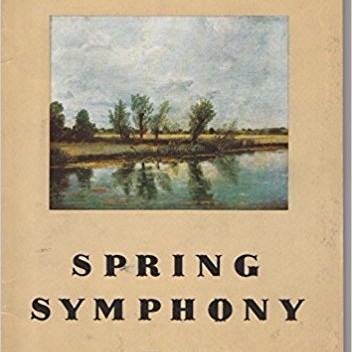
His song cycles are also essential listening. Check out Serenade for Tenor, Horn, and Strings, Op. 31, Les Illuminations, Op. 18 and The Poet's Echo, Op. 76, each offering a unique glimpse into Britten's genius. And don't forget Spring Symphony, Op. 44, a vibrant celebration of nature and renewal.
Hit Songs & Signature Tracks
While Britten is best known for his larger-scale works, he also penned some seriously stunning individual songs. Spring, the sweet spring is pure joy in musical form. Its bright melody and playful rhythms are guaranteed to lift your spirits. Then there's The Morning Star, a gorgeous setting of a William Blake poem. The ethereal harmonies and soaring vocal lines? Perfection.
Fair and fair shows off Britten's knack for writing deceptively simple yet deeply moving melodies. The Merry Cuckoo is a charming miniature that perfectly captures the spirit of its namesake bird. And who could forget Prologue from "The Turn of the Screw"? It sets the stage for the opera's eerie atmosphere and psychological intensity.
Don't skip Pastoral, a serene and contemplative piece that showcases Britten's mastery of vocal writing. Or Nocturne, a hauntingly beautiful exploration of dreams and darkness. Elegy is a deeply felt lament, while Dirge is a powerful expression of grief. Finally, Hymn offers a moment of solace and hope amidst the darkness.
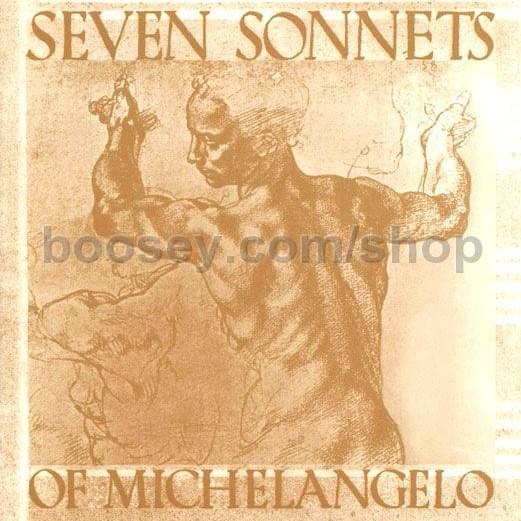
He also composed Seven Sonnets of Michelangelo, Op. 22, a collection of love songs that are both passionate and profound. Each song is a mini-masterpiece, showcasing Britten's ability to capture the essence of human emotion.
Collaborations & Features
Britten's collaborations were as groundbreaking as his solo work. His partnership with Peter Pears was obviously his most important, but he also worked with other incredible musicians. He wrote roles specifically for legendary singers like Kathleen Ferrier and Dietrich Fischer-Dieskau, tailoring his music to their unique vocal strengths.
He also championed young talent, giving early opportunities to artists who would later become stars. Britten believed in the power of collaboration and used it to push the boundaries of his own creativity. His operas often featured large ensembles and complex staging, requiring a collaborative spirit from everyone involved.
Awards & Achievements
Britten racked up awards like they were going out of style. He was nominated for multiple Grammys and won several, including Best Opera Recording for The Turn of the Screw. He also received countless honorary degrees and prestigious awards from institutions around the world.
Beyond the hardware, Britten's biggest achievement was his impact on the musical landscape. He revitalized British opera and made classical music more accessible to a wider audience. He was a true visionary who inspired generations of composers and performers. His influence can still be heard in contemporary music today.
Personal Life
Britten's personal life was closely intertwined with his music. His relationship with Peter Pears was a central part of his identity, both personally and professionally. Together, they created a supportive and stimulating environment that fostered their artistic growth.
Britten was also deeply committed to social justice and pacifism. His anti-war sentiments are reflected in many of his works, most notably War Requiem. He used his music as a platform to speak out against injustice and promote peace.
Musical Style & Influence
Britten's style is a unique blend of tradition and innovation. He drew inspiration from a wide range of sources, from English folk music to Stravinsky's neoclassicism. But he always put his own stamp on everything he wrote. His music is characterized by its lyrical melodies, complex harmonies, and dramatic intensity.
He influenced countless composers, including Philip Glass, Michael Nyman, and Thomas Adès. His emphasis on vocal writing and his exploration of complex psychological themes continue to resonate with contemporary artists. Britten's legacy as one of the most important composers of the 20th century is secure.
Recent Work & What's Next
Although Britten passed away in 1976, his music continues to be performed and celebrated worldwide. New recordings of his operas and song cycles are constantly being released, keeping his work alive for new generations. His operas are staged regularly at major opera houses around the globe.
Britten's music remains as relevant and powerful as ever. His exploration of universal themes like love, loss, and the human condition ensures that his work will continue to resonate with audiences for years to come. He's not just a composer; he's a cultural icon.