Introduction & Current Status
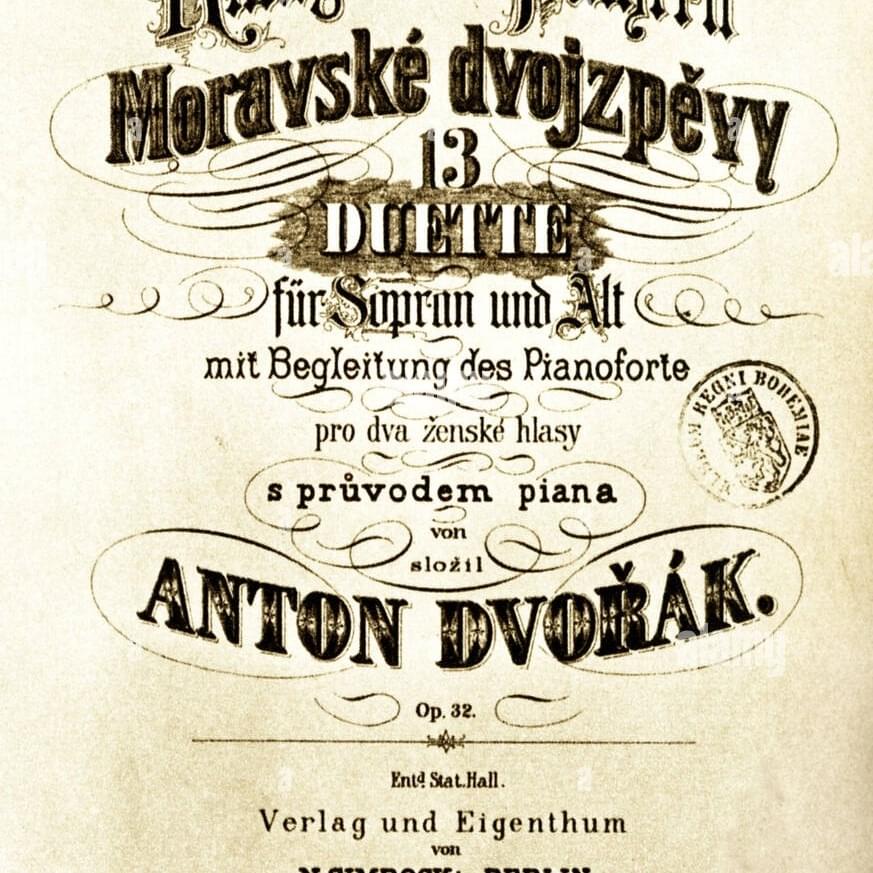
Antonín Dvořák might not be topping the Spotify charts today, but trust, this dude's influence is still massive. Think of him as the classical music world's low-key iconic figure. His compositions are constantly featured in movies, TV shows, and even sampled in modern tracks. Basically, Dvořák is the gift that keeps on giving.
While he may have passed on from this mortal coil a while back, his music continues to resonate. Orchestras worldwide slay his symphonies, and his melodies are instantly recognizable even if you don't know his name. He's a cornerstone of classical music education, inspiring countless musicians.
So why does Dvořák still matter? He bridged the gap between folk music and high art. He proved that bangers could be both sophisticated and soul-stirring. His music slaps just as hard now as it did back in the day.
Early Life & Background
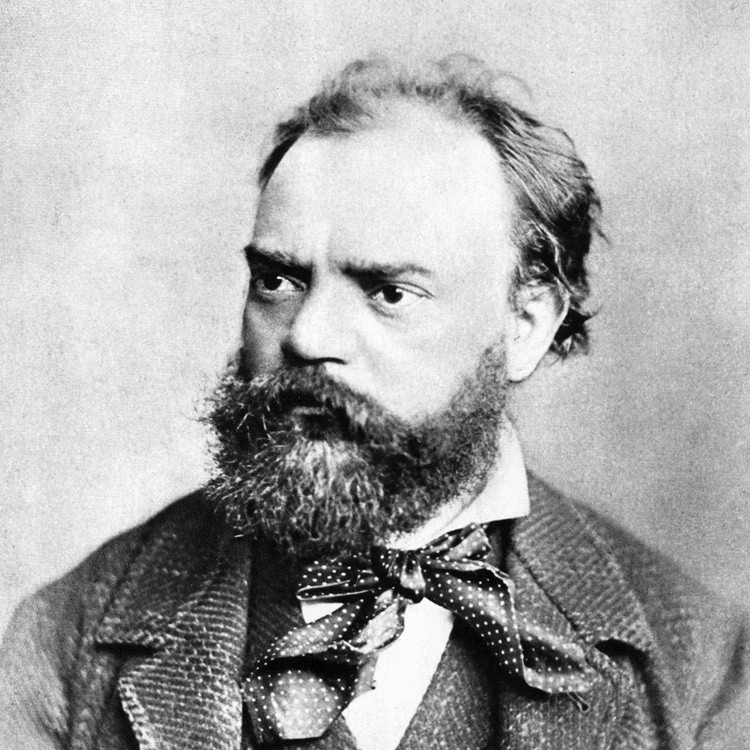
Born in 1841 in Nelahozeves, Bohemia (now the Czech Republic), Antonín Dvořák didn't exactly have a silver spoon situation. His dad was an innkeeper and butcher. Talk about a plot twist! But music was always in the air, part of the Bohemian culture. From a young age, Antonín showed mad skills on the violin.
Growing up in a small village, Dvořák soaked up the sounds of folk music like a sponge. These early experiences shaped his musical language, imbuing it with a distinct Bohemian flavor. Think of it as his secret sauce.
His family recognized his potential. They scraped together enough cash to send him to Prague for formal music education. It was a total game-changer. He wasn't just some random kid with a violin anymore. He was on his way to becoming Antonín Dvořák.
Career Beginnings
Dvořák's early career wasn't exactly a smooth ride. He hustled as a violist in Prague's Provisional Theatre Orchestra. Think of it as the classical music equivalent of playing in a dive bar band. But it paid the bills and gave him valuable experience.
He spent years composing in relative obscurity. Straight up grinding, honing his craft, and developing his unique voice. He entered compositions in contests, hoping for a breakthrough. Rejection can be a tough pill to swallow, but it fueled his fire.
His big break came in the 1870s when he won an Austrian State Prize for composition. Johannes Brahms, the OG music influencer, was on the judging panel and became a mentor. Brahms helped Dvořák get published, and the rest is history.
Major Albums & Discography
Dvořák didn't drop albums in the traditional sense, but his symphonies are basically classical music's version of platinum records. Symphony No. 9, "From the New World," is his most famous work. Composed during his time in America, it's a banger that blends Bohemian folk melodies with American influences. It's a whole vibe.
His other symphonies like No. 8 and No. 7 are also straight-up fire. Each one showcases his mastery of orchestration and his ability to evoke a range of emotions. From joyful exuberance to melancholic introspection, Dvořák's symphonies take you on a journey.
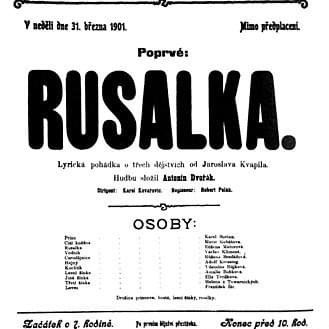
Operas also feature heavily in Dvořák's impressive discography. "Rusalka", with its haunting "Song to the Moon" is a definitive work showcasing his dramatic flair. His operas are full of memorable melodies and compelling characters. They are a testament to his versatility as a composer.
While Dvořák's symphonies are often center stage, his chamber music is a goldmine. String Quartets, Piano Quintets, and more are full of intricate harmonies and lyrical melodies. They are a testament to his meticulous craftsmanship.
Hit Songs & Signature Tracks
Okay, so Dvořák didn't exactly drop singles. But his "New World Symphony" is basically a collection of hit tracks. The Largo movement (the second one) is the most famous. It's been used in countless films and TV shows. That melody is straight-up iconic.
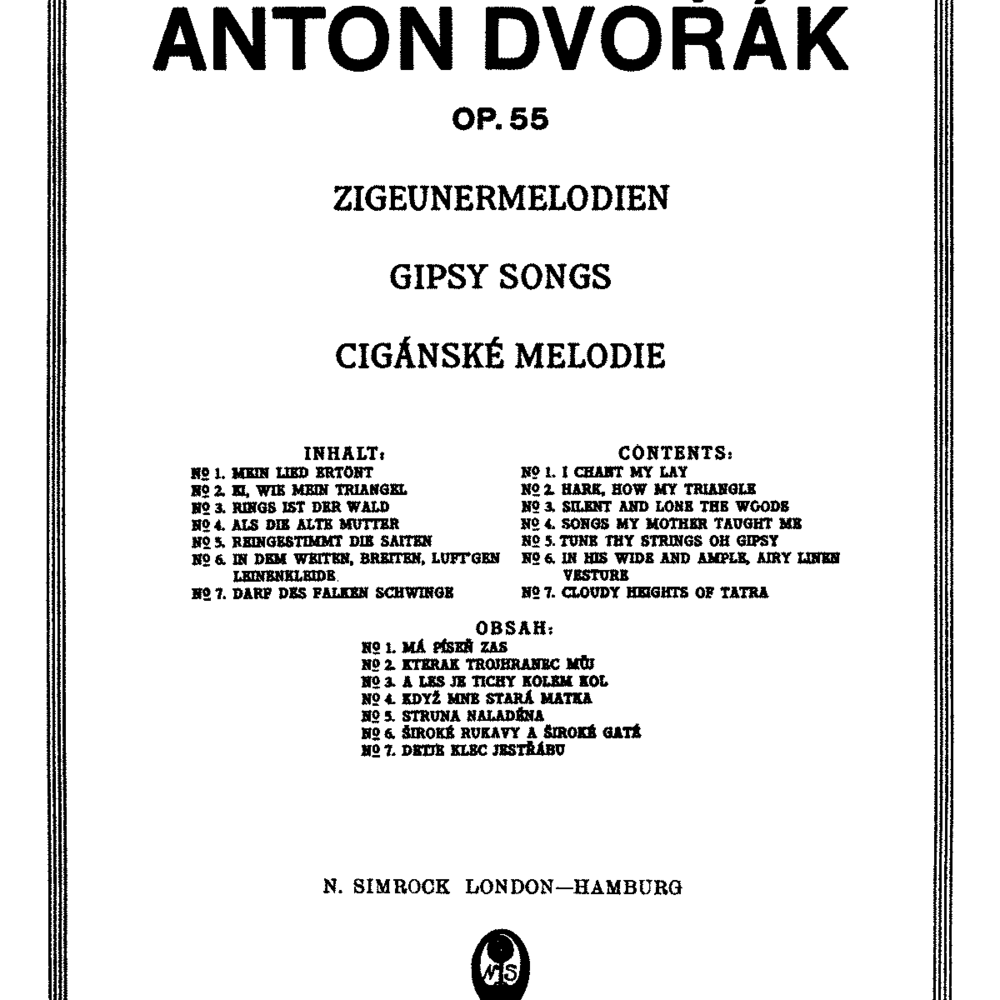
"Songs My Mother Taught Me" is another one of Dvořák's signature tunes. It's a beautiful and nostalgic melody that tugs at your heartstrings. It's been arranged for various instruments and voices. Timeless.
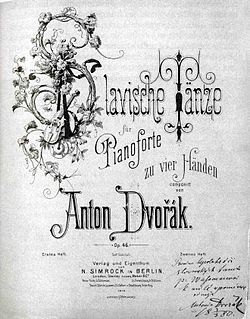
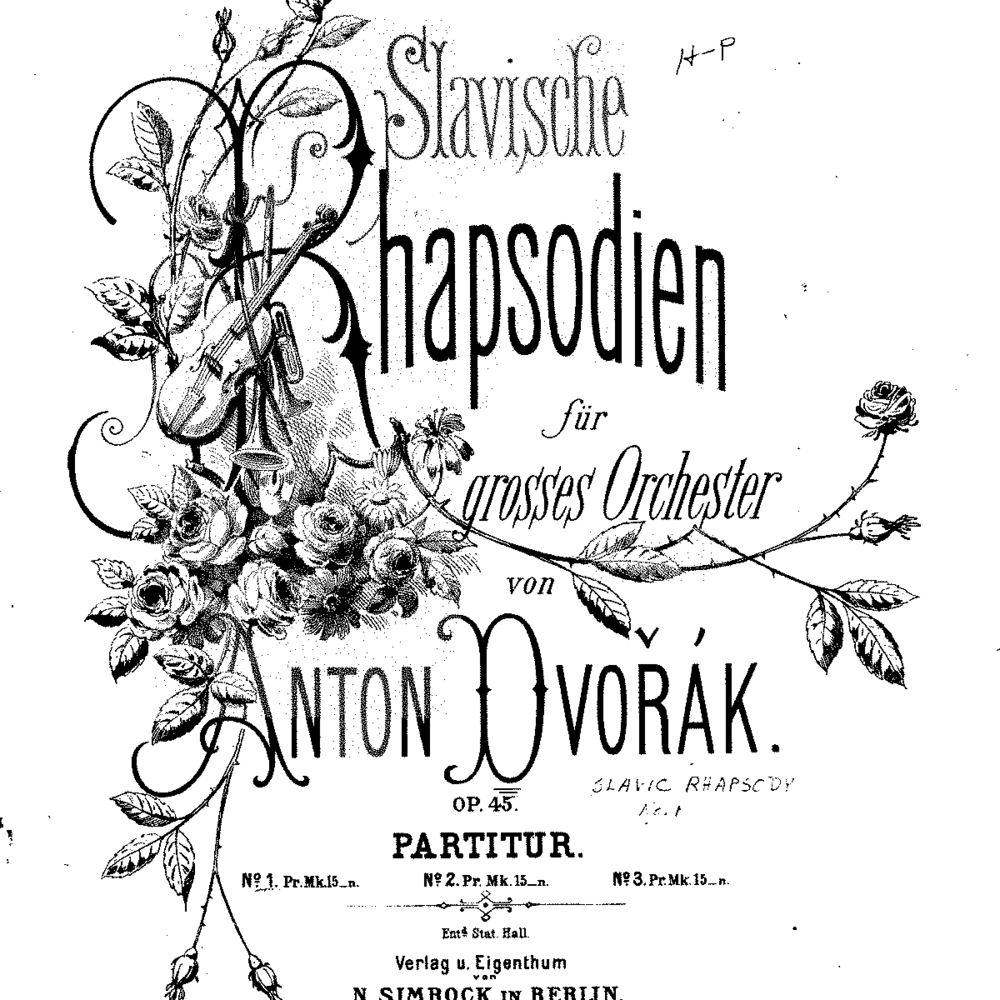
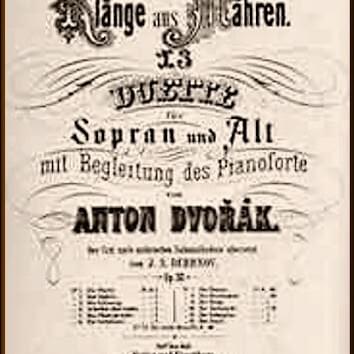
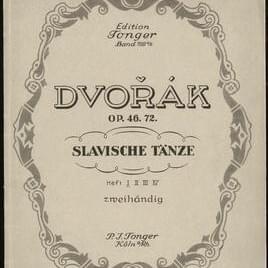
And let's not forget the "Slavonic Dances." These are a series of upbeat, energetic pieces inspired by Bohemian folk music. They're guaranteed to make you wanna get up and dance. Think of them as the classical music world's party anthems.
He also composed several concertos, including the Cello Concerto in B minor. Widely considered one of the greatest cello concertos ever written, this deeply emotional and technically demanding work showcases Dvořák's ability to write for solo instruments.
Collaborations & Features
Dvořák didn't do collabs in the modern sense, but he definitely influenced a generation of composers. He mentored and inspired countless musicians. His impact on the classical music world is undeniable.
During his time in America, he encouraged American composers to draw inspiration from their own folk music traditions. He believed that America had its own unique musical voice waiting to be discovered. He saw the potential in spirituals and Native American melodies.
Though not direct collaborations, his relationships with figures like Johannes Brahms were crucial. Brahms championed Dvořák's work, helping him gain recognition and access to publishers. It was a mentorship that shaped his career.
Awards & Achievements
Dvořák racked up awards like they were going out of style. He received honorary degrees from Cambridge University and the Charles University in Prague. Talk about academic clout!
He was also appointed director of the National Conservatory of Music in New York City. This was a major flex. He helped shape the direction of American music education. Big moves.
His "New World Symphony" became an instant classic. It premiered to rave reviews and quickly became one of the most popular symphonies of all time. It solidified his place as a musical legend. Still gets standing ovations to this day.
Personal Life
Dvořák was a family man through and through. He married Anna Čermáková and had several children. He found solace and inspiration in his family life. He was also deeply religious. He was a devout Catholic, and his faith influenced his music.
He loved trains. Yes, trains. He was a total trainspotter. He would spend hours at train stations, observing the locomotives and memorizing train schedules. This quirky hobby adds another layer to his fascinating personality.
Musical Style & Influence
Dvořák's style is a unique blend of classical forms and Bohemian folk music. He infused his compositions with catchy melodies, vibrant rhythms, and lush harmonies. He knew how to write a tune that would stick in your head. Earworm status confirmed.
He drew inspiration from composers like Beethoven and Schubert. But he also incorporated elements of Czech folk music, creating a sound that was both familiar and fresh. He found inspiration in the music of everyday people.
His influence can be heard in the works of countless composers, from Aaron Copland to Hans Zimmer. He paved the way for future generations to explore their own cultural identities in their music. He is a true musical visionary.
Recent Work & What's Next
Okay, so Dvořák isn't exactly dropping new tracks. But his music continues to be performed and reinterpreted by musicians around the world. His legacy lives on through recordings, concerts, and educational programs. He's forever a relevant voice.
Orchestras are constantly rediscovering and performing his lesser-known works. His operas are being staged in new and innovative ways. He's constantly finding new audiences. The Dvořák renaissance is real.
Fans speculate that AI could soon be used to create "new" Dvořák compositions. Imagine what he would create with modern technology. The possibilities are endless. But one thing is for sure: Dvořák's music will continue to inspire and captivate for generations to come.