Song Meaning
The lyrics for "Two Thousand Years" immediately plunge into a vast historical scope, spanning millennia of unfulfilled prophecies and a demanding, almost oppressive spiritual or societal framework. There's a palpable tension between grand theological concepts and the individual's forced obedience. The opening lines establish a world where divine grace is absent, replaced by "external service" and a chilling command to "Value my redemptive power." This sets a tone of profound, historical disillusionment.
The central tension here lies in the stark contrast between humanity's enduring struggle and the lofty, often unfulfilled, promises of spiritual or societal systems. The lyrics paint a picture of "Two thousand years" where grand eschatological visions remain "unrealised," forcing individuals into a cycle of outward conformity and conditional self-worth. This creates a profound sense of disappointment, where even gratitude is "levelled by relative magnitude," suggesting any positive emotion is dwarfed by the sheer scale of historical burden.
The lyric's craft shines in its stark juxtaposition of abstract, theological language with blunt, almost authoritarian commands. Phrases like "Chiliasm proved by doctrinal code" sit alongside the chilling directive, "Never share with me your disclaims," revealing a system that demands outward conformity while suppressing internal dissent. Perhaps the most striking element is the paradoxical declaration that condemnation is "revealed through liberation." This twist suggests that true judgment isn't an external imposition but an inevitable consequence of freedom, where the unvarnished truth of humanity's "incompleteness" comes into sharp focus.
Ultimately, these lyrics hit hard because they refuse easy answers, instead presenting a relentless, almost cyclical view of human existence. By grounding grand theological concepts in the unchanging reality of "striving, acting and suffering," the text strips away comforting illusions. The repeated "Two thousand years" doesn't just mark time; it underscores a profound weariness, suggesting that despite millennia of seeking "redemptive power" or "divine dispensation," humanity remains locked in a fundamental state of "incompleteness." This unflinching gaze at our persistent condition makes the final lines resonate with a stark, undeniable truth.
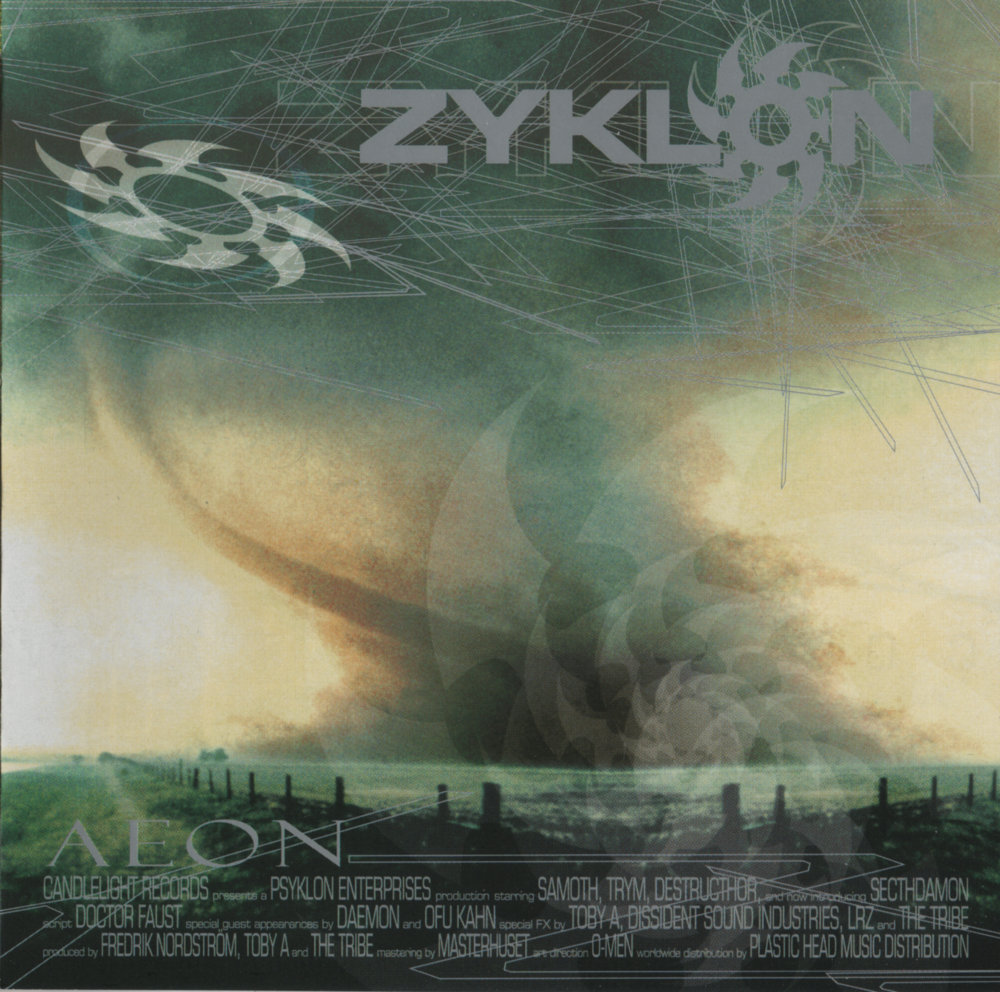
 View Artist