Song Meaning
{"song_id": 14695407, "meaning": "Zucchero's \"Papà perché\" isn't just a lament; it's a raw, exposed nerve of paternal longing. The repeated questioning – \"Perché papà?\" – cuts straight to the heart of a son grappling with an absent or lost father figure. It's the primal scream of a man adrift, searching for answers only a father can provide. The lyrics reveal a profound sense of weariness, a feeling of being \"stanco / Come se fossi in viaggio da sempre\" (tired / As if I've been traveling forever), suggesting a lifelong quest for something that remains perpetually out of reach. This journey, underscored by the recurring theme of missing his father, highlights the psychological weight of paternal absence and its impact on the son's sense of self.
The color blue permeates the song, both literally (\"C'è sempre un po' di blu in questo cielo\" - There's always a bit of blue in this sky) and figuratively, in the \"blues\" that linger in the singer's eyes and smile. This isn't just sadness; it's a deep-seated melancholy, an inherited grief perhaps, passed down through generations. The lyrics hint at a moment of estrangement (\"In che città / In quale bar / Ti ho tolto il mio saluto\" - In what city / In what bar / Did I take away my greeting), suggesting a rupture in the relationship, a point of no return that haunts the son's present. This fractured connection fuels the constant questioning, the desperate plea for understanding.
Yet, amidst the sorrow, there's a glimmer of hope, a fragile resilience. The image of the swing (\"Un'altalena, che viene e va, dondolando\" - A swing, coming and going, swaying) represents the fluctuating nature of grief, the ebb and flow of emotions. The lines \"Ma sono in vena, stanotte va, fino in fondo\" (But I'm in the mood, tonight it goes, all the way) and \"Ma siamo in vena, la notte va, ci sta cullando\" (But we are in the mood, the night goes, it is cradling us) suggest a surrender to the healing power of the night, a willingness to confront the pain and perhaps find solace in shared experience or memory. \"Papà perché\" is therefore not simply a song about loss, but about the enduring need for paternal connection and the complex process of navigating life in its absence."}
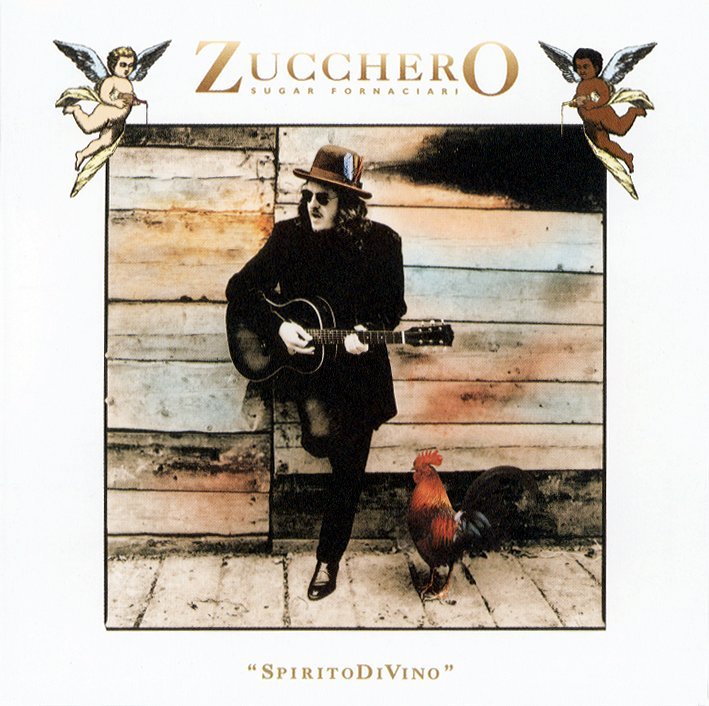
 View Artist