Song Meaning
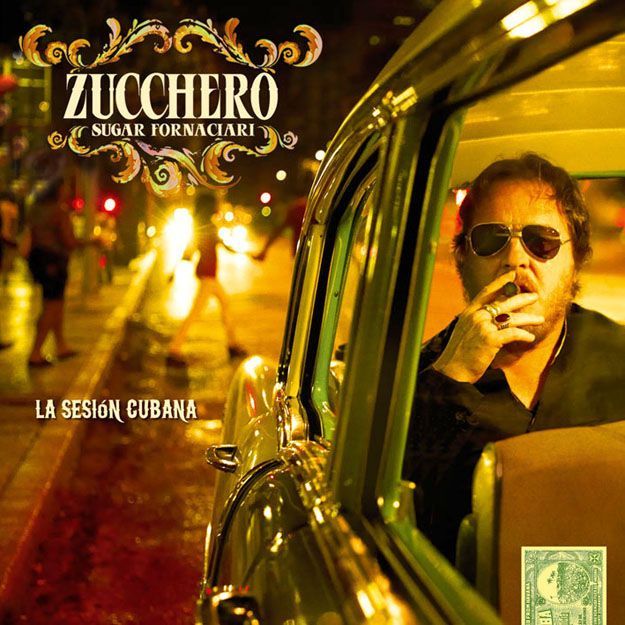
Zucchero's "Pana" pulses with a raw, streetwise energy, a fleeting snapshot of life lived on the edge. The insistent repetition of "Tocando Pa Mi Pana" (Playing for my friend) establishes a dedication, a musical offering to a companion, perhaps one facing hardship or simply needing a moment of levity. This phrase acts as a grounding mantra amidst the surrounding chaos. The song's core meaning lies not in complex narrative, but in capturing a specific, vibrant atmosphere. It's a testament to camaraderie found in unexpected places, a defiant celebration in the face of adversity.
The brief verses, "Mira Mira Ya / Una Morena Sin Papa / A Donde, Donde Esta? / Se Fue Con La Chota'" (Look, look now / A dark-skinned girl without a father / Where, where is she? / She left with the police), paints a stark picture of vulnerability and potential exploitation. The image of the "Morena Sin Papa" (fatherless dark-skinned girl) immediately evokes a sense of societal neglect and precariousness. The mention of "La Chota" (the police) introduces an element of danger and oppression, suggesting the girl's disappearance might be linked to law enforcement, either through coercion or circumstance. This adds a layer of social commentary to the otherwise celebratory mood.
The escalating refrain, "Voy A Cantar / Voy A Bailar / Voy A Gozar Hasta Que Llegue La Chota'" (I'm going to sing / I'm going to dance / I'm going to enjoy myself until the police arrive), is the heart of the song's defiant spirit. It's a refusal to be silenced or subdued by the threat of authority. This isn't blind optimism, but a conscious choice to embrace joy and connection in the face of potential consequences. The lyrics analysis reveals a complex interplay between celebration and resistance, making "Pana" a powerful, albeit concise, statement about finding freedom and solidarity within constrained realities.
 View Artist