Song Meaning
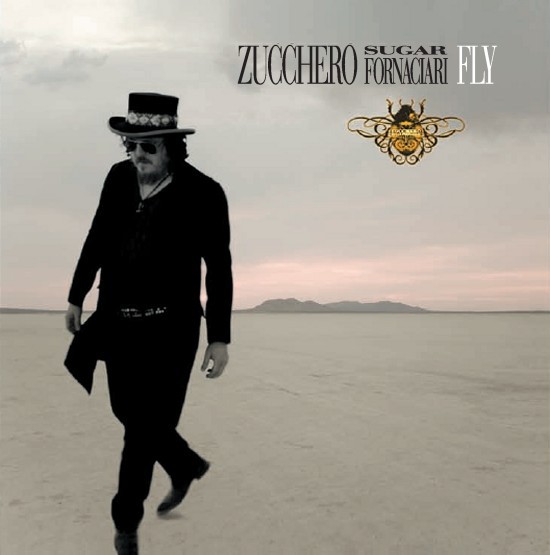
{"song_id": 14695386, "meaning": "Zucchero's \"Let It Shine\" operates as a soulful invocation, a plea for sustained hope and illumination in a world shadowed by loss and disillusionment. The opening verses paint a landscape where natural beauty—fields swaying like the sea, birds diving into the unknown—is tinged with the melancholic understanding of impermanence (\"per non tornare\"). This sets the stage for the central theme: the recognition that love, or perhaps a profound connection to another person, is the primary source of light in the darkness. The gospel-infused imagery of \"domeniche di gospel nell'aria\" evokes a sense of spiritual yearning and the communal power of faith, further emphasizing the need for an external source of hope. The repetition of \"L'amore sa\" (love knows) acts as a mantra, suggesting that love possesses an inherent wisdom and understanding that transcends rational thought.
The core of the song meaning lies in the repeated refrain, \"Let it shine, shine, shine / Shine on me.\" This isn't merely a request for superficial happiness; it's a desperate call for continued inspiration and emotional sustenance. The lyrics suggest a deep dependence on this external light, as the singer admits, \"Se perdo la mia fede / Che avevo in te / Ritornera' il buio\" (If I lose my faith / That I had in you / The darkness will return). This highlights the vulnerability inherent in placing one's emotional well-being in the hands of another, yet it also acknowledges the profound power of human connection to dispel inner shadows. The phrase \"Io mi illumino / Solo di te\" (I light up / Only from you) further underscores the intensity of this reliance.
The final verses introduce a darker, more apocalyptic imagery: \"Ho visto il Mississippi / Come un mare / Andare all'inferno\" (I saw the Mississippi / Like a sea / Going to hell). This stark contrast to the earlier pastoral scenes suggests a world teetering on the brink of destruction, both literal and metaphorical. Even an angel, a symbol of purity and salvation, is lost, mirroring the initial image of birds disappearing. Despite this looming darkness, the plea for light persists. The repetition of \"E' tutto qui / Eppure e' tutto qui\" (It's all here / And yet it's all here) suggests a quiet acceptance of the present moment, both its beauty and its despair, and an unwavering belief in the power of love to provide solace and guidance, even when facing oblivion. Zucchero uses the simple phrase 'Let it shine' to underline the importance of resilience."}
 View Artist