Song Meaning
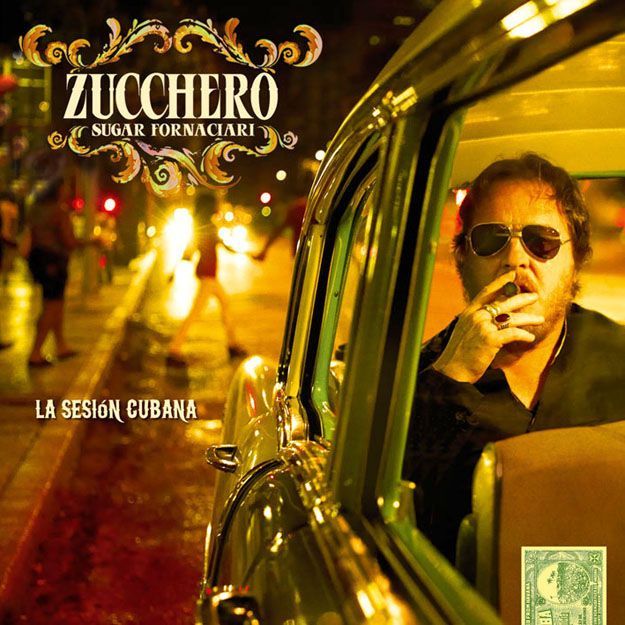
{"song_id": 14695446, "meaning": "Zucchero's \"El Grito\" isn't a polite request; it's a primal scream ripped from the gut. The lyrics analysis reveals a descent into frustration, bordering on existential despair. The opening lines, \"Questo è un urlo che viene, è un urlo che va / Dal buco del culo al cuore\" immediately establish the song's raw, unfiltered emotionality. It's a cry originating from the most base, instinctual place, ascending to the very core of his being. The absence of religion (\"Non c'è più religione\") suggests a loss of faith, not necessarily in a divine entity, but in systems of meaning and order, leaving only \"rabbia e dolore\" – anger and pain. This void fuels the titular scream.
The repeated refrain, \"Digli che è scemo\" (\"Tell him he's stupid\"), is deceptively simple. It's not just name-calling; it's a primal expression of powerlessness against overwhelming stupidity. The litany of predators – \"Pescicani e barracuda / Sciacalli e meduse / Polipi e molluschi / Topi di fogna e un serpente strisciante\" – paints a picture of a world teeming with threats, both obvious and insidious. The 'stupid' one could be any of these, or the system that allows them to thrive. The personal attack is almost secondary to the pervasive sense of being surrounded by hostile forces.
Yet, amidst the rage and disillusionment, a flicker of hope remains. The lines, \"Ho gli occhi fissi al cielo, pieni di pianto / Ma sento / Un canto / Un rumore / Che cresce / Un grido del cuore!\" offer a counterpoint to the earlier despair. Even with eyes filled with tears, Zucchero hears a song, a growing noise, a cry from the heart. This suggests a resilience, an ability to find strength and perhaps even beauty in the face of adversity. \"El Grito,\" therefore, isn't just a condemnation, but a complex expression of pain, anger, and the enduring human capacity for hope, however fragile."}
 View Artist