Song Meaning
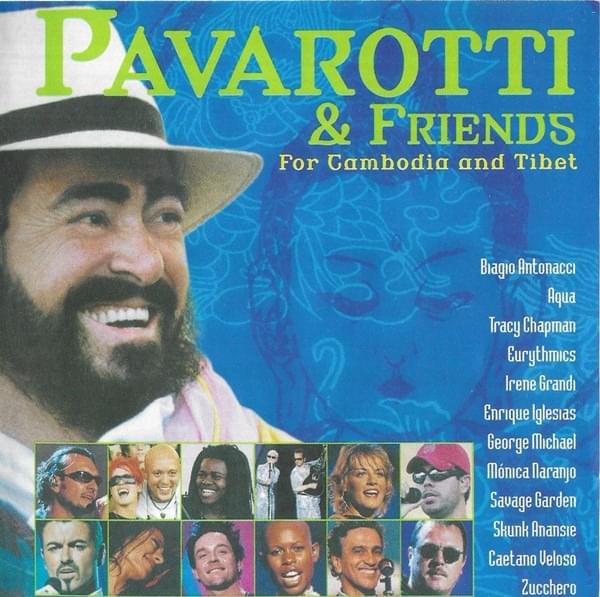
The lyrics paint a picture of a relationship stalled by a fundamental communication breakdown, specifically the inability to utter crucial words. One speaker (Chapman) observes that "Sorry / Is all that you can't say," highlighting a persistent silence where apologies should be. This inability to express regret or affection is a recurring theme, with the Italian verses echoing the sentiment: "Perdonami / È uma parola che / Tu non dice mai" (Forgive me / It's a word that / You never say). The core tension lies in this linguistic barrier, suggesting years have passed with words remaining "not easily" spoken.
The central conflict emerges from the contrast between the unspoken and the desired. While one party struggles with "sorry" and "I love you," the other pleads for connection through a simple, physical gesture: "Baby, can I hold you tonight." This plea suggests a hope that physical closeness might bridge the emotional gap, or perhaps that a moment of tenderness could unlock the words that are so hard to find. The lyrics imply that the right words, spoken at the "right time," could mend the rift and secure the relationship: "Maybe if I told you the right words / You'd be mine."
The most striking aspect of the craft is the bilingual dialogue, which amplifies the theme of inarticulacy. The repetition of "sorry" and "I love you" in English is mirrored by "Perdonami" and the implied "Io t'amo" (I love you) in Italian, yet the core issue remains: these words are not being exchanged. The Italian phrases, particularly "Che tu non sai dire, o non vuoi" (That you don't know how to say, or don't want to), introduce a layer of ambiguity – is it an inability or an unwillingness to speak? This uncertainty adds a poignant depth to the plea for connection.
Ultimately, the effectiveness of these lyrics stems from their raw portrayal of emotional paralysis. The simple, direct requests for a hug and the acknowledgment of unspoken apologies create a palpable sense of longing and frustration. The interplay between the two languages underscores the universal struggle to articulate deep feelings, making the yearning for simple words and physical comfort resonate powerfully. The repeated phrase "Se mi vuoi" (If you want me) in the outro ties the possibility of reconciliation directly to the other person's unspoken desire, leaving the listener with a lingering sense of unresolved hope.
 View Artist