Song Meaning
The narrator is drowning in the aftermath of a breakup, clinging to the belief that their former lover will eventually return. They've heard from others that their ex has found happiness and a new love, but the narrator dismisses this as superficial. The core of the song is this persistent, almost defiant, assertion that the ex's new happiness is built on lies and that true solace will only be found in the narrator's presence. It's a raw display of possessive longing, framing the narrator as the only genuine source of comfort.
The central tension lies in the narrator's conviction versus the perceived reality of their ex's new life. While others report happiness, the narrator insists the ex is merely being deceived, both by others and by their own heart, which supposedly believes life is better without the narrator. This creates a dramatic irony: the narrator claims to know the ex's true feelings better than the ex does, positioning themselves as the ultimate truth-teller in a relationship built on falsehoods.
The repeated refrain, "When lies break you and sadness kills you / You'll wish for me like your best friend," is the emotional anchor. It's not just a prediction; it's a demand, a prophecy of inevitable return. The phrasing is striking – being broken by lies and killed by sadness suggests a profound, almost fatal, disillusionment awaiting the ex. The narrator offers themselves not as a lover, but as a refuge, a "best friend," a subtle but powerful shift that implies a return to a simpler, perhaps safer, connection.
This lyrical strategy works because it taps into the desperate hope that even after being wronged, a genuine connection can still be the ultimate salvation. The narrator's unwavering certainty, despite being told otherwise, creates a compelling, albeit self-serving, narrative. The lyrics don't offer a path to healing for the narrator, but rather a grim prediction for the ex, solidifying the narrator's perceived importance in a way that feels both desperate and strangely powerful.
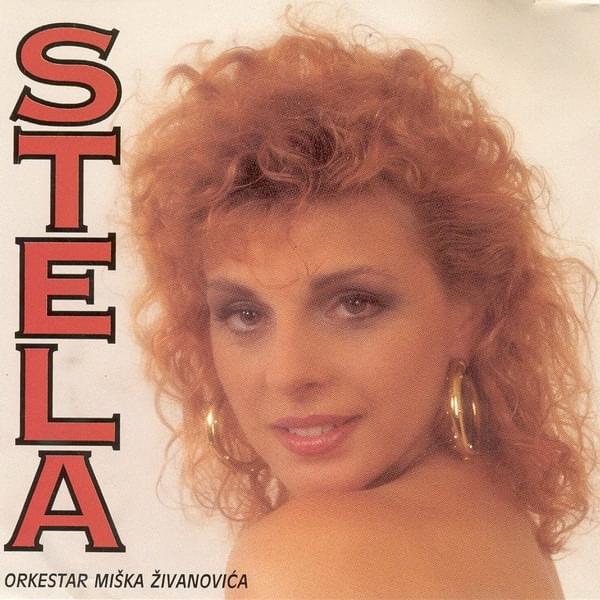
 View Artist