Song Meaning
The lyrics capture a moment of intense relational uncertainty, where past support clashes with present ambiguity. The narrator pleads to "hold the moment" and "lose your disappointment," suggesting a desire to preserve a fragile connection. Yet, the "promises made on plastic" hint at a superficiality or a lack of genuine commitment, immediately questioning the foundation of their bond. The central tension arises from a stark contrast: the memory of crucial past support, where one person "gave me your hand" when they "couldn't stand," now feels unfulfilled. This past act of kindness, which the narrator interpreted as genuine care, now leaves them asking, "So tell me what that was for?"
The core of the song seems to be a desperate attempt to decipher the other person's intentions and the current state of their relationship. The narrator feels adrift, experiencing "talking nothing to me" and feeling "single in your company," which implies a lack of meaningful communication or emotional presence despite their physical proximity. This perceived intentional distance fuels the narrator's confusion and frustration, leading to the feeling of being "left with no surprises" – a resignation that perhaps the initial care was never as deep as it seemed. The repeated plea to "work it out" becomes less a confident assertion and more a hopeful, almost desperate, question.
The most striking element is the oscillation between the memory of profound, life-saving support and the current feeling of emotional isolation. The phrase "You gave me your hand" is a powerful image of rescue, but its echo in the present, coupled with the demand for "something more," highlights a significant disconnect. The narrator is grappling with the dissonance between a past that felt like genuine connection and a present that feels hollow. This makes the repeated question, "So tell me what that was for?" land with a heavy emotional weight, questioning the very meaning of past actions in light of present uncertainty.
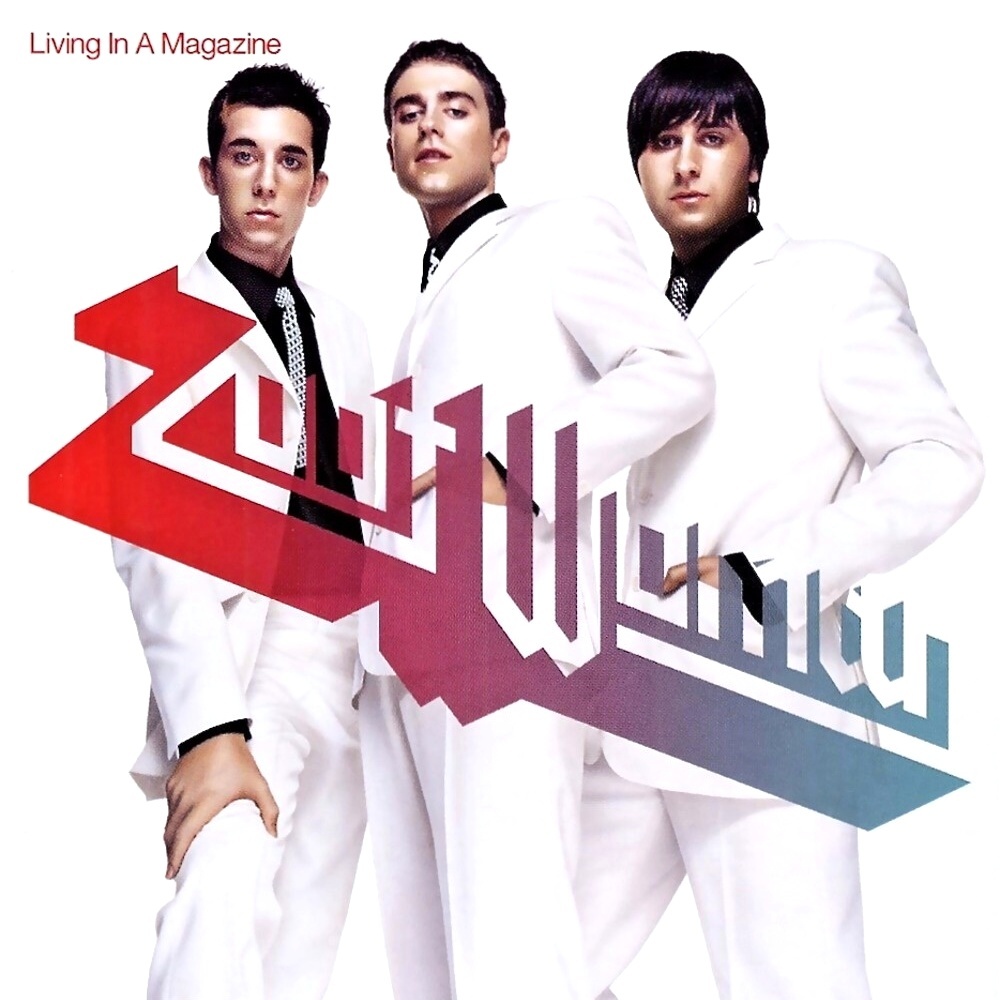
 View Artist