Song Meaning
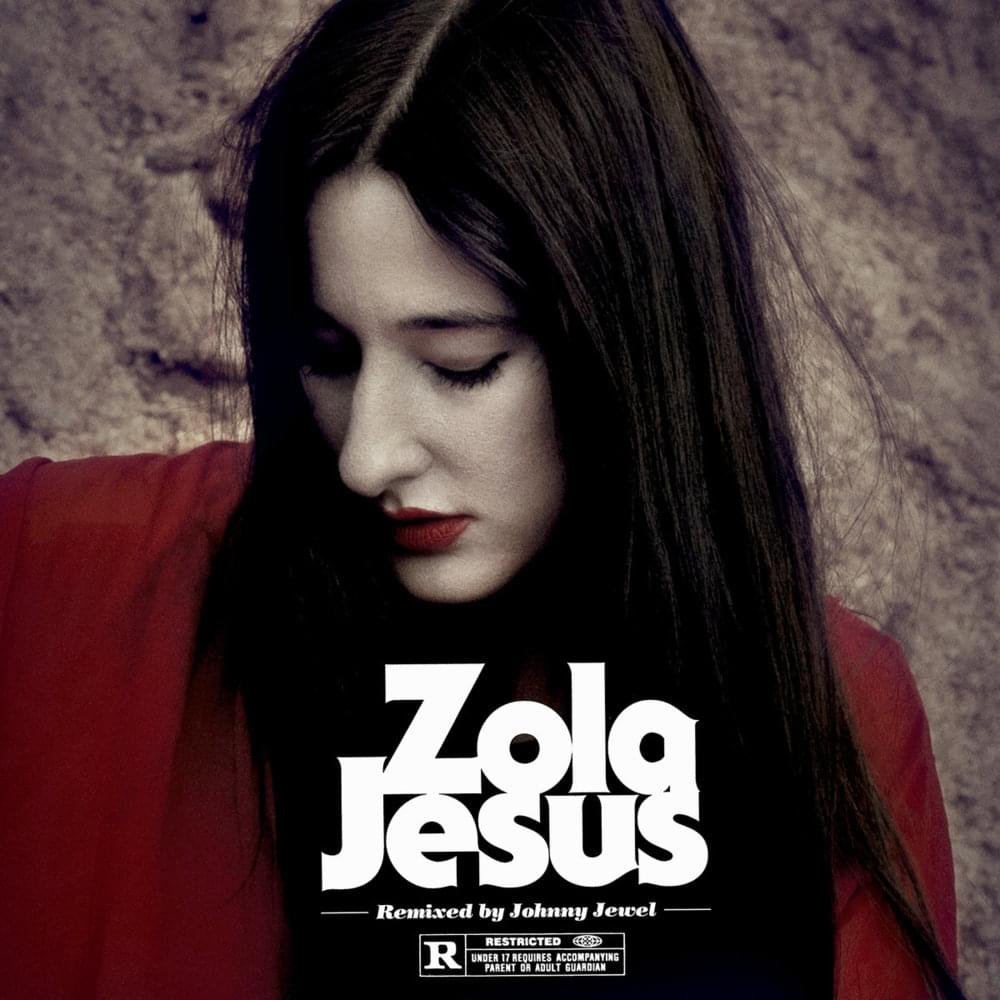
Zola Jesus's "Wiseblood (Johnny Jewel Film Edit)" isn't just a song; it's an existential audit set to a haunting, cinematic soundscape. The lyrics, stark and uncompromising, cut straight to the bone of human experience: What are we *doing* if we aren't evolving? The opening lines establish a precarious hope, a dream clinging to a thread against the weight of history. It’s a confrontation with the idea that simply existing isn't enough; progress, both internal and external, is the price of admission to a meaningful life. The 'long rope' of history suggests burdens, inherited traumas, or perhaps the cyclical nature of mistakes.
The core of "Wiseblood" resides in its relentless questioning. It demands self-reflection: Are we growing wiser, stronger, more alive? It’s a brutal assessment, holding us accountable for our stagnation. The repetition of the chorus hammers home the urgency, a challenge thrown down to anyone sleepwalking through their days. This isn't about surface-level achievements, but about the fundamental expansion of consciousness and resilience. The song speaks to the underlying human fear of wasting our limited time, of failing to learn and adapt.
The bridge offers a glimpse into the struggle behind this relentless drive. "In these pardoned days, I am losing all my senses / In this timeless daze, I can barely see through" hints at the disorienting nature of modern life, the sensory overload that can numb us to our own potential. The 'timeless daze' suggests a detachment from reality, a state where growth becomes impossible. This vulnerability humanizes the song's demanding tone, revealing the internal battle required to stay awake, to stay engaged, and to keep striving for a life of meaning. "Wiseblood," in this context, becomes not just about wisdom, but about the relentless pursuit of it, even when the path is obscured.
 View Artist