Song Meaning
Zola Jesus's "fleece" operates in the shadowy spaces between culpability and catharsis, a sonic landscape familiar to her devotees. The song's meaning seems rooted in accepting responsibility, even embracing it, as a pathway to transformation. The repeated mantra, "I will take the fall / Give it to me all," isn't a lament but a declaration, a forceful claiming of agency within a situation that might otherwise feel victimizing. This isn't simple self-sacrifice; it's a strategic maneuver. She's seizing control by absorbing the impact. The introductory lines about "looking at the stars waiting for signs" and feeling "light" after some time suggest a period of searching and perhaps spiritual reckoning. This journey precedes the acceptance of blame, implying a conscious choice rather than a passive resignation.
The lyrics hint at a relationship dynamic, potentially romantic, fraught with miscommunication and perhaps a touch of self-destructive behavior. The lines "Fall in love too deep, that warning / Now it's like a myth / Crossing the abyss / Into something new" evoke a sense of perilous commitment, a dive into the unknown that necessitates a shedding of the old self. The reference to speaking "in dreams" and the resulting "disconnect" further underscores the challenges of authentic connection. The contrast between dove and wolf behaviors ("Sometimes don't you fight like a dove…And sometimes don't you bite like a wolf") suggests an internal conflict, a push-and-pull between vulnerability and aggression, tenderness and self-preservation.
Ultimately, "fleece" isn't about wallowing in guilt or assigning blame. Zola Jesus uses the concept of taking responsibility as a catalyst for rebirth. The willingness to "take the fall" becomes an act of defiance, a way to break free from the cyclical patterns of the past and forge a new identity. The repetition of "When you feel like you" implies that this act of self-acceptance, this courageous claiming of culpability, is what ultimately allows one to truly embody their authentic self. The song's power resides in its ability to transform a potentially negative act – taking the fall – into a positive assertion of self-determination.
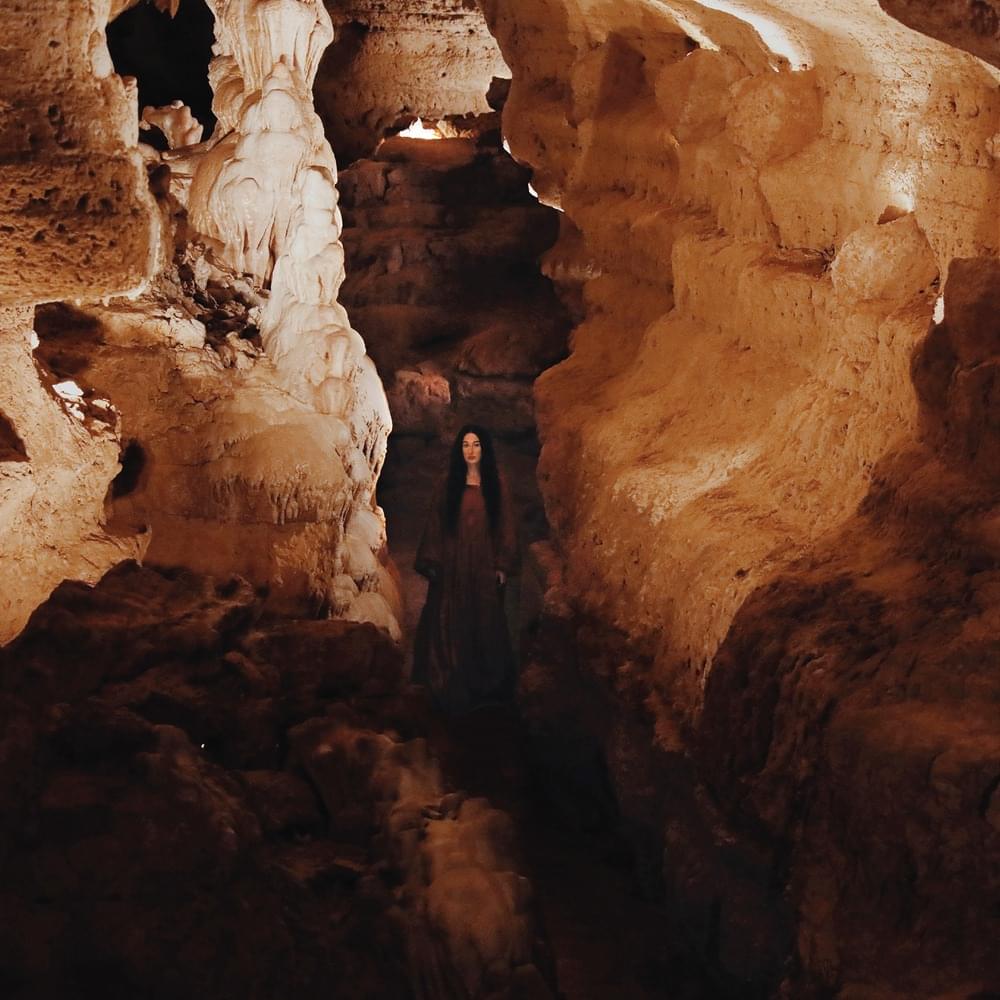
 View Artist