Song Meaning
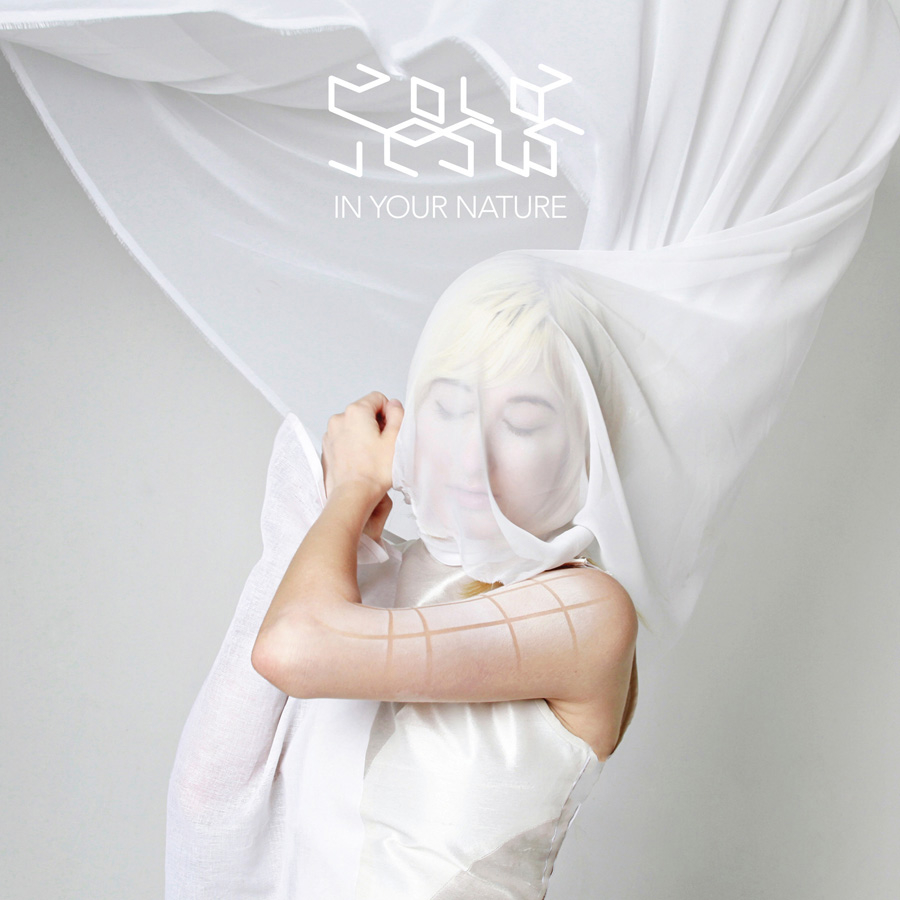
Zola Jesus's "In Your Nature" isn't just a song; it's an existential confrontation. The lyrics paint a stark landscape of internal struggle and inevitable doom. Phrases like "Eyes above me, eyes are blown" suggest a feeling of being watched, judged, or perhaps even exposed, while "the wall becomes a hole" hints at a breakdown of boundaries and a descent into something unknown and terrifying. This isn't mere angst; it's a visceral depiction of psychological unraveling. The repeated line "If it's in your nature you'll never win" acts as a fatalistic mantra, suggesting that certain inherent flaws or tendencies will always lead to defeat. This could be interpreted as a commentary on self-destructive behavior, the futility of fighting against one's own nature, or even a broader statement about the human condition. The imagery of a "hunted world" and the desire to be swallowed whole further emphasizes a sense of overwhelming pressure and a longing for escape, even if that escape is destructive. The song's power lies in its ability to evoke a sense of primal fear and the recognition of inescapable patterns.
The song explores the idea of inherited burdens and ingrained patterns of behavior. "It used to be that / A war was brought / But now the end becomes us again / We never let it in" hints at a cyclical history of conflict and self-destruction, suggesting that humanity is doomed to repeat its mistakes. The "burning light" in the shadows could symbolize a flicker of hope or awareness, but it's quickly overshadowed by the deepening fight. The command to "run off, run off / Let it drip down you / Run off, run off / Like it was born for you" is particularly unsettling, suggesting an embrace of the destructive forces at play, as if succumbing to them is the only path forward. This is not a message of empowerment, but rather a chilling acceptance of fate. Zola Jesus masterfully uses these dark metaphors to create a deeply unsettling and thought-provoking exploration of human nature.
Ultimately, the song meaning of "In Your Nature" resonates because it taps into a universal fear of the inherent flaws within ourselves and the world around us. It speaks to the anxieties of being trapped by our own nature, the weight of historical patterns, and the struggle to find meaning in a world that often feels chaotic and predetermined. The lyrics analysis reveals a bleak outlook, yet there's a strange beauty in the raw honesty and unflinching portrayal of these dark themes. The final lines, "And then you go own that same forgotten road / And I'm not the one to say I told you so," seal the sense of inevitability, leaving the listener with a lingering feeling of unease and a profound question about the limits of free will.
 View Artist