Song Meaning
The lyrics open with a stark, repetitive image: a duck floating down the Tysa River. This simple, almost mournful scene immediately sets a tone of gentle, yet inevitable, movement and perhaps loss. The narrator's plea to his mother, "don't scold me," suggests a departure or a situation he feels he cannot control, hinting at a forced or unavoidable journey. The repetition of the duck's movement across the river underscores a sense of being carried away by forces beyond his command.
The central tension arises from the narrator's foreboding about his fate. He anticipates a "bad time" and admits, "I don't know where I'll perish." This uncertainty is amplified by the stark question, "I'll perish in a foreign land / Who will dig my grave for me?" The lyrics paint a picture of profound isolation and the fear of dying far from home, with no one to mourn or care for his final resting place. This dread is palpable, a heavy counterpoint to the seemingly peaceful image of the floating duck.
The most poignant aspect of the writing is the dialogue between the narrator and his mother. Her response, "How could I not feel sorry for you, son? / You lay on my heart," is devastating in its simplicity. It transforms the abstract fear of death into a deeply personal maternal grief. The mother's words anchor the song's sorrow, making the narrator's potential demise not just a personal tragedy but a profound wound for his family. The recurring image of the duck now feels like a metaphor for the son being carried away from his mother's care, a life adrift.
This song's power lies in its directness and its grounding in familial love and the primal fear of dying alone. The lyrics avoid complex metaphors, instead relying on clear, evocative images and direct emotional appeals. The contrast between the natural imagery of the river and the stark human fear of death creates a resonant ache. The mother's final, heartbroken affirmation of love makes the narrator's potential fate feel like an unbearable loss, not just for him, but for those left behind.
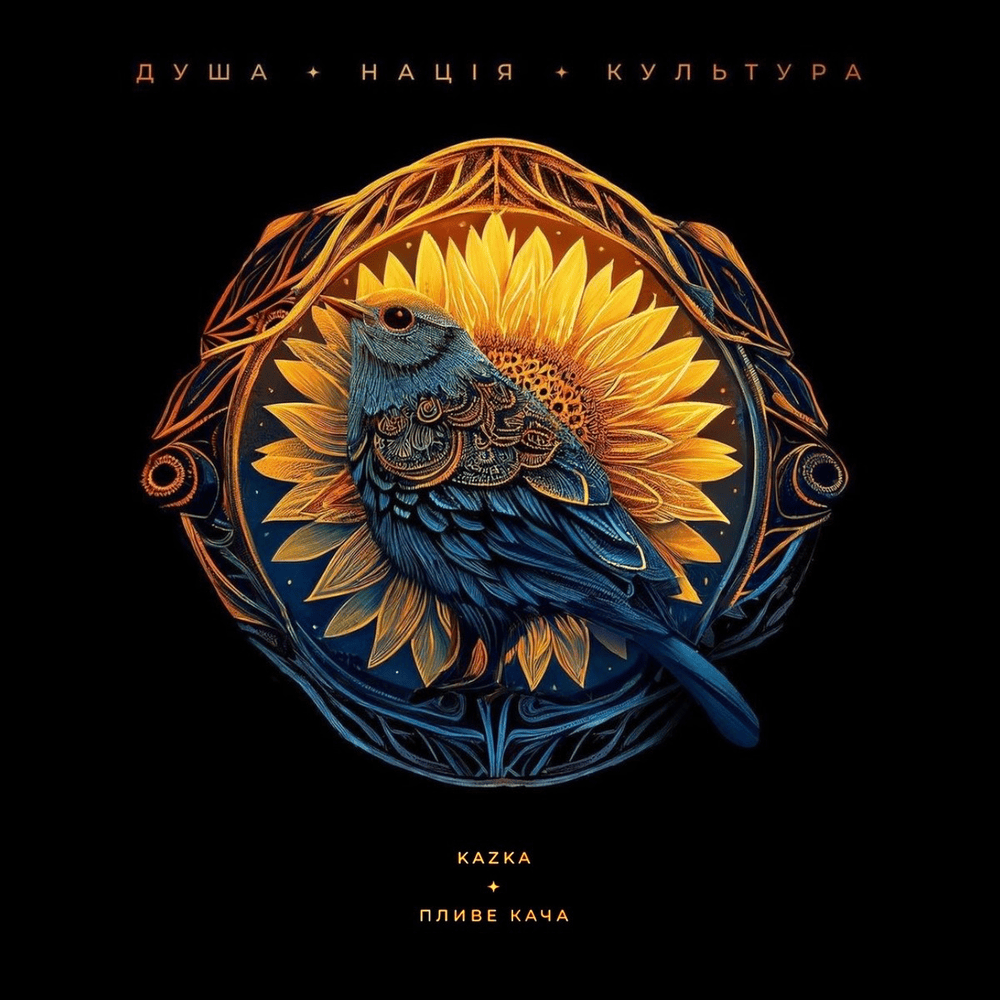
 View Artist