Song Meaning
The lyrics paint a stark picture of nightfall, not as a peaceful transition, but as an abrupt, almost menacing event. "De nacht plots met zilveren schreden" (The night suddenly with silver steps) and "Dooft elk licht en breekt elk geluid" (Extinguishes every light and breaks every sound) establish a tone of sudden, overwhelming silence and darkness. This encroaching night is personified as a being that "Spreidt zijn mantel uit dromen geweven" (Spreads its mantle woven from dreams), suggesting a surrender to a dreamlike, perhaps disorienting, state where reality dissolves.
The narrator's journey home is marked by a palpable sense of unease and coldness, "Dan wordt ik koud langs mijn lichaam, loop onzeker naar huis" (Then I become cold along my body, walk uncertainly home). This physical discomfort mirrors an emotional vulnerability, amplified by the anticipation of someone waiting, described with "Je grijpgrage armen, je warme huid" (Your grasping arms, your warm skin). The repetition of "En alles wordt stil" (And everything becomes silent) after both the arrival of night and the reunion at home underscores a profound, almost suffocating quietude that envelops the scene, blurring the lines between external stillness and internal peace or unease.
The imagery shifts to a more sinister portrayal of the city at night, with "Schaduwen glijden langs gevels en muren" (Shadows glide along facades and walls) and "Donkere portalen en schimmen die gluren" (Dark portals and specters that peek). This creates an atmosphere of lurking danger and hidden threats, a "kwade droom" (evil dream) that the city seems to embody. The narrator's plea, "mijn kind, toe geef me je hand" (my child, come give me your hand), and the promise to "alleen naar je kijken en luisteren" (only look at you and listen) suggests a desire for connection and understanding amidst this disquiet, a desperate attempt to find solace and truth in another's presence.
The latter half of the lyrics reveals a complex, self-aware declaration of love that grapples with imperfection. The narrator acknowledges moments of distance and doubt, "Ook al zijn er dagen waarop je gebaar hebt / Waarop je beeld uit mijn lichaam verdwijnt" (Even though there are days when you gesture / When your image disappears from my body). This is followed by a raw confession of personal flaws – a voice too loud, a hand too quick, a laugh too sharp, a touch too weak, words too fierce. The repeated, emphatic "Ik hou van jou" (I love you) after each admission of fault highlights a love that persists not in spite of these imperfections, but perhaps in full acknowledgment of them, finding its strength in vulnerability and unwavering commitment.
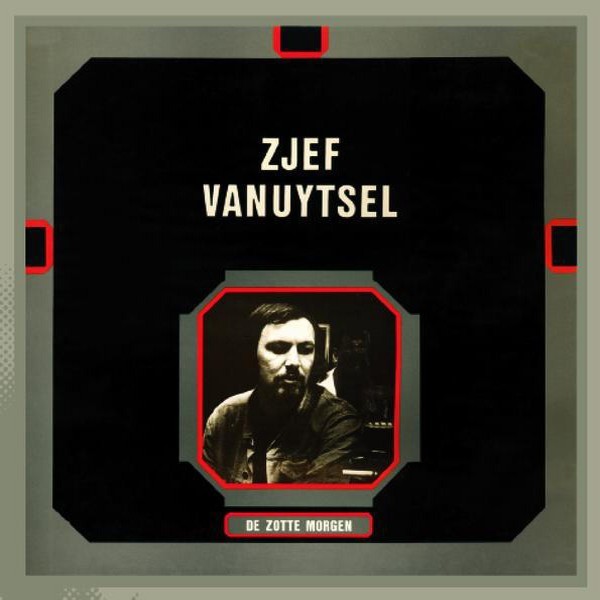
 View Artist