Song Meaning
The lyrics paint a picture of a future brimming with optimism, a stark contrast to the present "muro de hipocrisia" (wall of hypocrisy) that surrounds us. The narrator envisions a life "melhor no futuro" (better in the future), clearer, and filled with rightful satisfaction, stretching from the heavens to the ground. This hopeful outlook isn't just personal; it extends to a belief in love and the powerful force of passion, suggesting these are universal rights for anyone who embraces them.
The central tension lies between the perceived limitations of the present, marked by hypocrisy and the fleeting nature of time, and the boundless potential of a future built on sincerity and passion. The narrator acknowledges that "o tempo voa, amor" (time flies, love), slipping away even unnoticed, and that "não há tempo que volte" (no time that returns). This awareness of transience fuels an urgent desire to seize the moment and "viver tudo o que há pra viver" (live all there is to live).
The most striking craft element is the persistent, almost defiant, declaration of what the narrator "vê" (sees) – a better future, a clearer life, a new era. This repeated vision acts as an anchor against the present's perceived negativity. The lyrics also propose a future ideal: "gente fina, elegante e sincera" (fine, elegant, and sincere people) who possess the "habilidade / Pra dizer mais sim do que não" (ability / To say more yes than no), suggesting a future characterized by openness and positive affirmation.
Ultimately, the effectiveness of these lyrics stems from their direct, unadorned expression of hope and urgency. By juxtaposing a flawed present with a vividly imagined, better future, and by framing this as a call to embrace love and passion before time runs out, the writing creates an emotionally resonant plea. It’s a powerful reminder to actively participate in life, to "nos permitir" (allow ourselves) to experience its fullness.
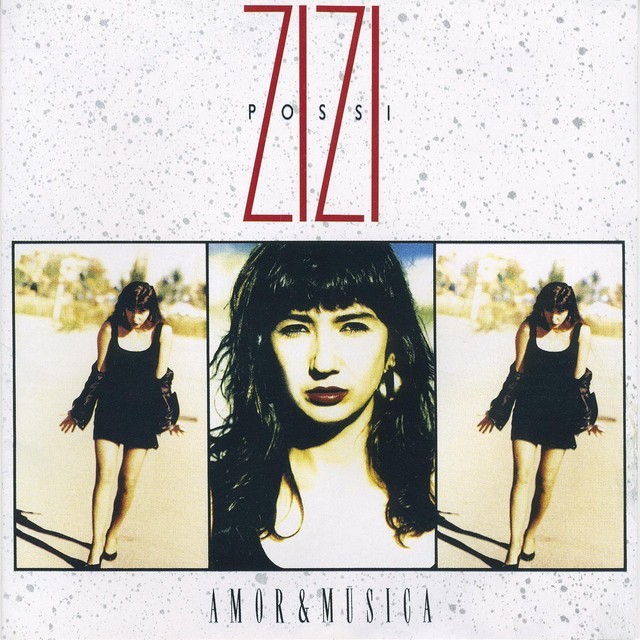
 View Artist