Song Meaning
The lyrics paint a picture of a past relationship where one person has seemingly moved on, or at least is perceived to have. The narrator hears that their former lover no longer recognizes them, a statement that immediately introduces a sense of distance and loss. This initial report sets a melancholic tone, suggesting a significant shift in their shared history and the narrator's place within it. The repeated phrase "passou, passou" emphasizes the finality of what has been and what is gone.
The central tension lies in the narrator's internal struggle to accept this perceived change and their own potential role in it. While they acknowledge the possibility that "quem mudou fui eu" (who changed was me), they also cling to a specific, unchanging detail: the way the other person looks at them. This creates a poignant contrast between the external narrative of change and the narrator's persistent, perhaps wishful, perception of an enduring connection, even if it's just in a look.
The most striking craft element is the juxtaposition of the reported change with the unchanging gaze. The narrator insists, "Mas nada nunca vai mudar / Esse teu jeito de me olhar / Do jeito que me olha, agora." This focus on a single, specific gesture – the look – becomes a powerful anchor against the tide of reported transformation. It suggests that even if everything else has shifted, this particular expression, this way of seeing, remains a constant, offering a sliver of recognition or perhaps just a familiar pain.
This lyrical focus on a subtle, non-verbal cue makes the song’s emotional impact so potent. It taps into the universal experience of holding onto a single memory or detail from a relationship, even when the broader context has dissolved. The narrator is caught between the news of a changed reality and the persistent, almost physical sensation of a familiar gaze, creating a deeply personal and resonant portrait of lingering attachment and the difficulty of letting go.
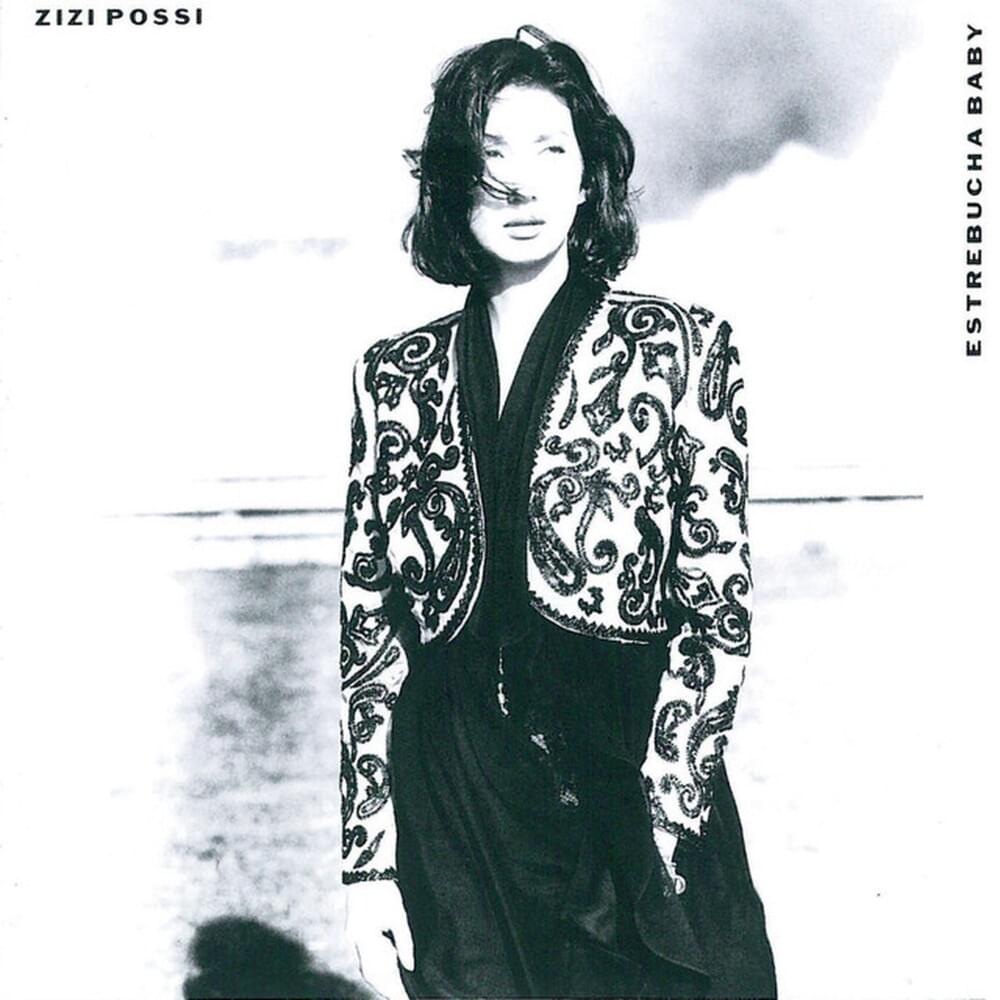
 View Artist