Song Meaning
The narrator declares an absolute, unwavering refusal to reconcile, stating "Nem que o mundo caia sobre mim" and "Nem se deus mandar." This isn't just a strong feeling; it's a final, definitive stance against making peace with someone. The repeated "Nunca" at the start of stanzas hammers home this absolute finality, creating a sense of unshakeable resolve.
The core of this refusal seems rooted in a profound sense of loss and disillusionment. The lyrics suggest that "Quando a gente perde a ilusão / Deve sepultar o coração." This act of "sepultar o coração" implies a deliberate and complete emotional shutdown, a response to betrayal or deep hurt that leaves no room for forgiveness or renewed connection. The narrator has moved past this point, "Como eu sepultei."
The second half shifts to "Saudade," personified as a messenger. This figure is tasked with conveying the sincerity and depth of a past love, "Como foi sincero o meu amor / Quanto eu o adorei." Yet, this remembrance isn't about rekindling; it's about closure and a strange kind of peace. The narrator asks Saudade to also mention that it's this very feeling of longing that allows them to sleep soundly, "Pra que eu viva em paz."
This juxtaposition is where the song's power lies. The absolute refusal to reconcile is paradoxically enabled by the very memory of love, channeled through "Saudade." It's not that the love is forgotten, but rather that its memory, when processed and accepted as a past event, becomes the source of present peace, solidifying the narrator's decision to never make amends.
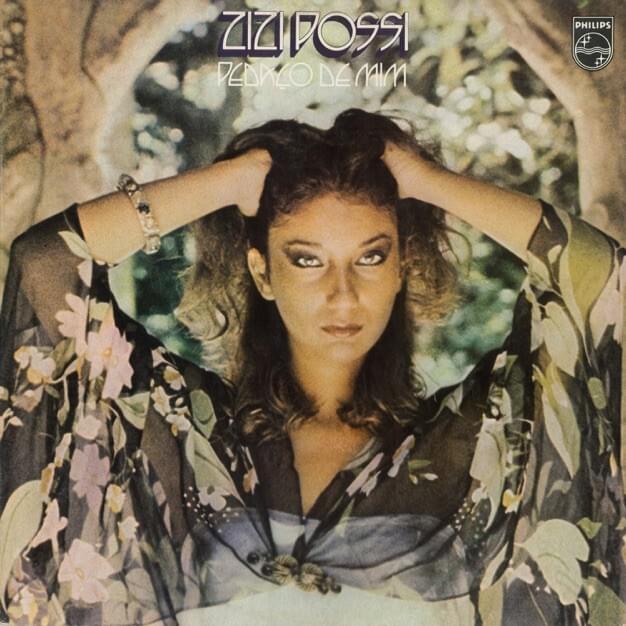
 View Artist