Song Meaning
The lyrics immediately plunge into a scene of intense, almost confrontational longing. The speaker directly challenges someone, accusing them of feigning ignorance. There's a palpable tension, a mix of accusation and raw vulnerability, with the opening line, "Eu velejava em você," setting a tone of deep, immersive connection.
This tension quickly escalates from outward accusation to internal turmoil. The speaker describes physical reactions—"A boca tremia Os olhos ardiam"—signaling an overwhelming emotional state. This is immediately followed by the paradoxical "Oh! Doce agonia Oh! Dor de viver," revealing a profound, almost masochistic pleasure in the pain of this unfulfilled desire. The core conflict lies in the vivid internal experience clashing with an external reality of being ignored.
A crucial twist emerges with the line "De ver sua imagem Que eu nunca via." This isn't just seeing someone; it's seeing an *image* that was previously unseen, suggesting a sudden, perhaps idealized, perception or even a purely internal vision. The description of the other person's "boca molhada" and "olhar assanhado" then paints a sensual, almost irresistible allure, making the speaker's "alma cansada" offer an open invitation: "Você pode entrar sem bater." This invitation feels less about physical entry and more about a desperate plea for emotional access.
The true emotional gut-punch arrives with the revelation: "Mas foi, como sempre, um sonho." All the preceding intensity, the accusations, the physical sensations, the desperate longing, are suddenly reframed as a recurring fantasy. The phrase "foi bom de doer" perfectly encapsulates the bittersweet nature of this imagined intimacy—a pleasure so profound it verges on pain, yet ultimately unattainable. The lyrics effectively capture the ache of a vivid, recurring dream that offers intense connection only to dissolve into "Tão longe, risonho," leaving behind a lingering "Sinto falta" and a quiet, desperate wish: "Queria lhe ver..."
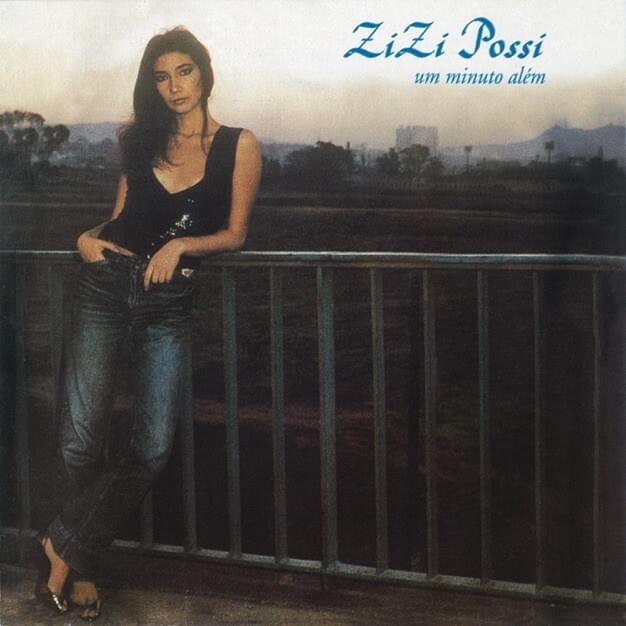
 View Artist