Song Meaning
The lyrics open on a scene of profound regret, with the narrator reflecting on a past separation. A "megapolis" city, presumably Istanbul, serves as a backdrop to a love now lost. The narrator expresses a deep apology: "Sana dönemedim bağışla" (I couldn't return to you, forgive me). This sets a tone of intense longing for a connection once shared in that very city.
A core emotional tension emerges from unspoken words and missed chances. The narrator laments, "Seni seviyorum diyemedim" (I couldn't say 'I love you'). This regret is compounded by uncertainty about the other person's feelings, "Sende ister miydin bilemedim" (I didn't know if you would want it too). The stark contrast between "sevgimizi tattık, seviştik" (tasted our love, made love) and later "aşkımız tattık, yitirdik" (tasted our love, lost it) highlights the painful transition from shared joy to profound loss.
The most striking craft element is the vivid personification of Istanbul itself. The city isn't merely a setting; it's an active participant, feeling and remembering. The repeated refrain, "İstanbul özlüyor bizi," "bekliyor bizi," "hatırla bizi," "bağışla bizi" (Istanbul misses us, waits for us, remember us, forgive us), transforms the metropolis into a sympathetic, almost maternal figure. This litany elevates the personal heartbreak to a grander, shared sorrow, as if the very soul of the city mourns the lost connection.
This personification makes the lyrics incredibly effective, externalizing the narrator's internal grief onto the vast, ancient city. Istanbul becomes a monumental repository of shared memories, amplifying the weight of the separation. The final lines, "unutmaz bizi sen de unutma İstanbul" (don't forget us, you also don't forget Istanbul), cement this bond, suggesting the city holds a permanent record of their love, offering a poignant echo to the narrator's own enduring sorrow. The unsaid words and unreturned presence are thus magnified by the city's plea for remembrance and forgiveness.
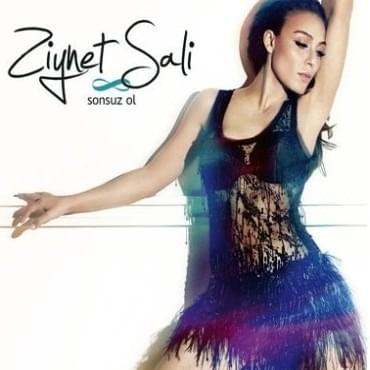
 View Artist