Song Meaning
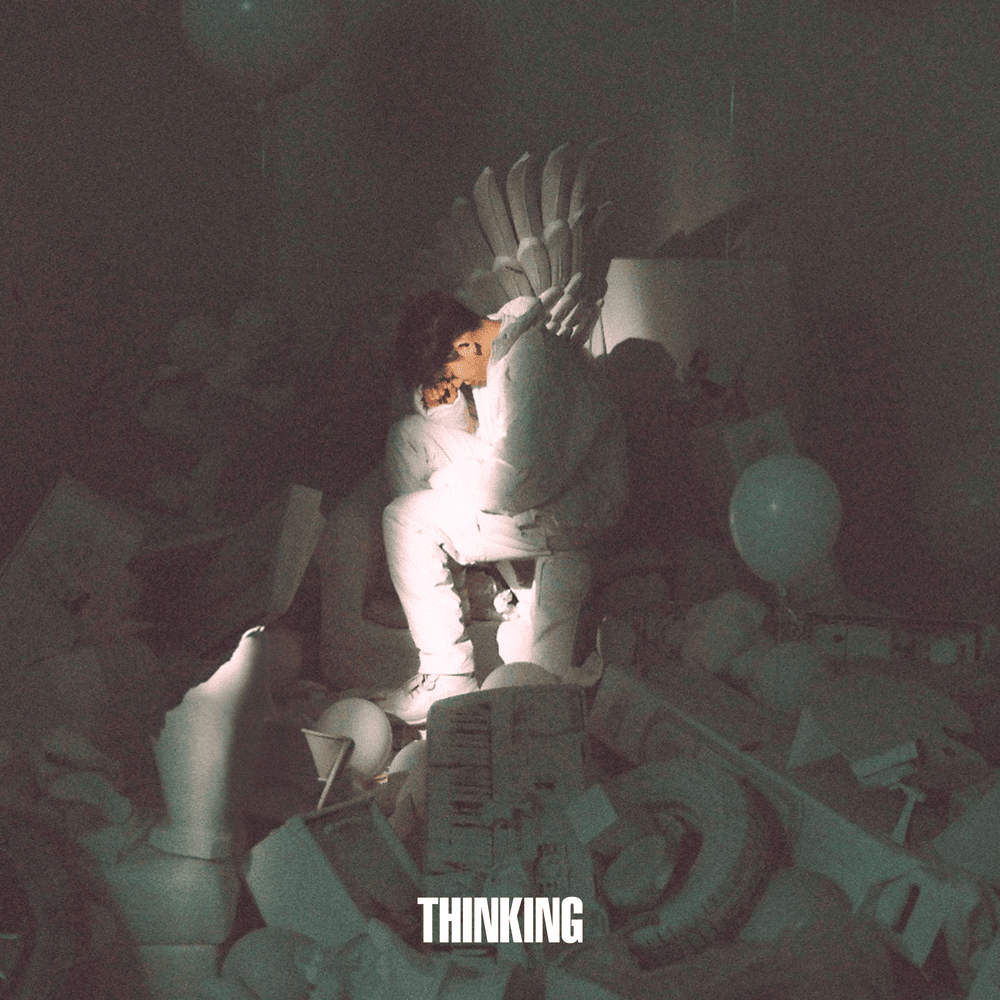
The lyrics paint a stark picture of lingering grief and the disorienting passage of time after a breakup. The narrator is stuck in a loop, reliving the moment of separation, with even the smallest sensory details triggering memories. The chorus emphasizes this temporal distortion, stating, "Time feels strange lately / How many days have I lived since the day we broke up?" This feeling of being suspended in the past is palpable, as the narrator perceives the night sky as a reflection of their lost love's eyes, a constant, melancholic reminder.
The core tension lies in the narrator's inability to move on while their former partner has clearly progressed. ZICO's verses reveal a painful awareness of this disparity. He recounts unread letters and withered flowers, describing the breakup as the "most pathetic event" he's ever received. While seasons change and spring arrives, he remains "left at the end of last winter," attempting a slow farewell. This contrast highlights the narrator's stagnation against the world's forward momentum, creating a profound sense of isolation.
ZICO's self-awareness emerges as a key lyrical device, particularly in the latter half. He questions if his ex has found traces of him, but then realizes the painful truth: "The reason and the mistake / That I was looking for, I was the reason and the mistake." This moment of self-recrimination is powerful, shifting the blame inward and adding a layer of tragic irony. The narrator's prior focus on finding fault has blinded him to his own role in the relationship's demise, making his current state of being "left" even more poignant.
What makes these lyrics resonate is their raw portrayal of post-breakup paralysis and the subtle, devastating ways memory intrudes. The lingering messages, the tear stain on a thumb, and the echo of a final goodbye in the outro all contribute to an overwhelming sense of unfinished business. The narrator clings to these remnants, admitting, "It's pathetic, I know, saying I won't leave / I'll keep it, even if I'm alone." This desperate resolve to hold onto what's gone, even when acknowledging its futility, captures the agonizing complexity of being left behind.