Song Meaning
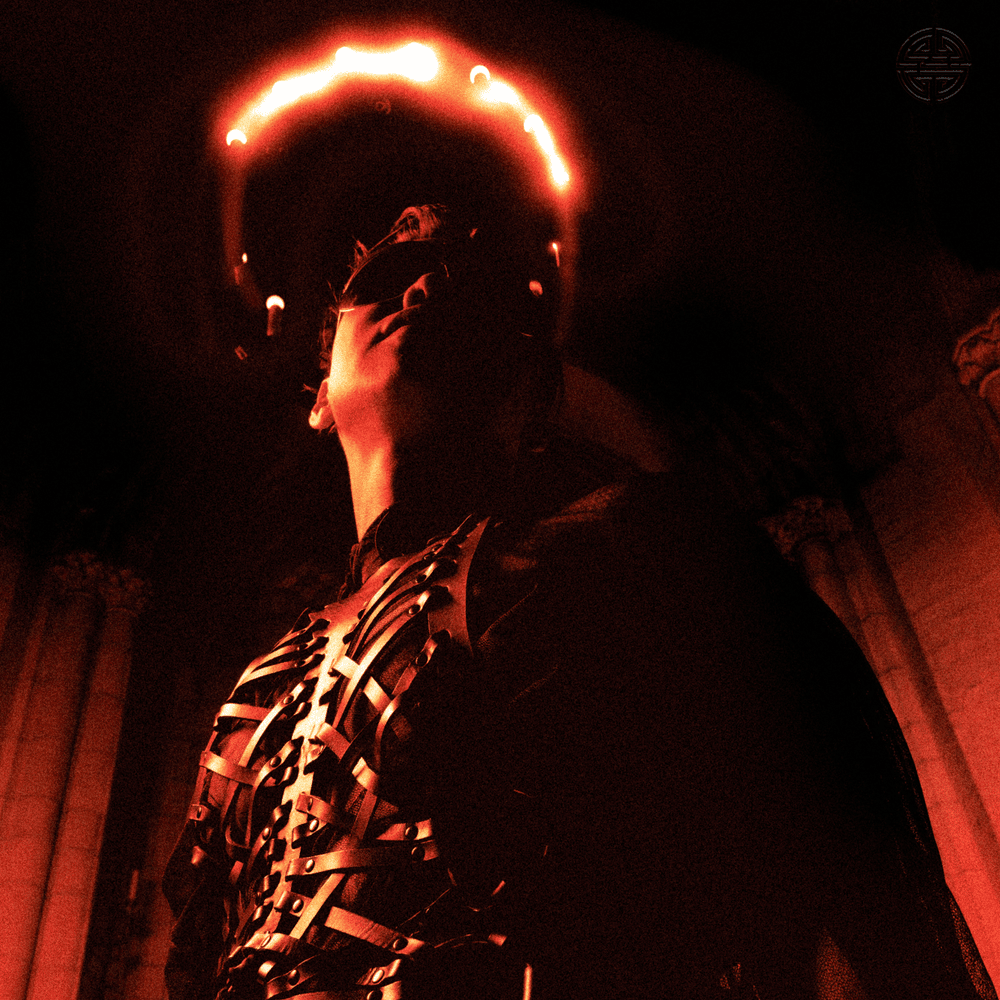
{"song_id": 12744252, "meaning": "ZHU's \"Bloodmoon Ritual\" isn't just a track; it's a visceral experience, a sonic descent into the shadowed corners of desire and consequence. The repetitive chanting of \"Blood Moon\" and \"Blood\" acts as a primal invocation, a hypnotic rhythm drawing the listener into a space where boundaries blur and inhibitions dissolve. It’s a space primed for the ritual hinted at in the title, a ritual less about overt occult practice and more about the messy, often destructive ceremonies we perform in the name of longing. The stark simplicity of the opening verses – \"Never mind, I got mine,\" followed by the insistent \"I want more\" – lays bare the engine of self-interest and the insatiable appetite that drives the narrative.
The track masterfully creates a sense of spiraling, both sonically and thematically. The lyrics, though fragmented, paint a picture of someone caught in a loop of bad choices and haunting memories. The chorus, with its imagery of \"Hell is a thousand miles and back\" and \"Still falling through time without a map,\" speaks to a profound sense of disorientation and the weight of past actions. The \"pockets full of wishes in a bag\" and \"swallowing decisions from my past\" are potent metaphors for the burden of unfulfilled dreams and the bitter taste of regret. These aren't just casual missteps; they're foundational cracks in the protagonist's psyche.
The \"Bloodmoon Ritual\" itself appears to be a catalyst, a moment of intense vulnerability and exposure where \"dirty pain\" is laid bare. The line \"Found you in a bloodmoon ritual\" suggests a connection forged in this crucible of shared darkness, a bond built on mutual understanding of suffering. However, even in connection, there's a sense of impending doom: \"Casually sinking like a stone / I'm swimming over you / Got me drowning deeper.\" The ritual, rather than offering salvation, seems to pull both parties further into the abyss, hinting at the cyclical nature of destructive patterns and the seductive allure of shared misery. The final lines, \"Starting all over again,\" underscore this sense of repetition, suggesting that the ritual is not an isolated event but rather a recurring motif in a life defined by desire and its aftermath."}
 View Artist