Song Meaning
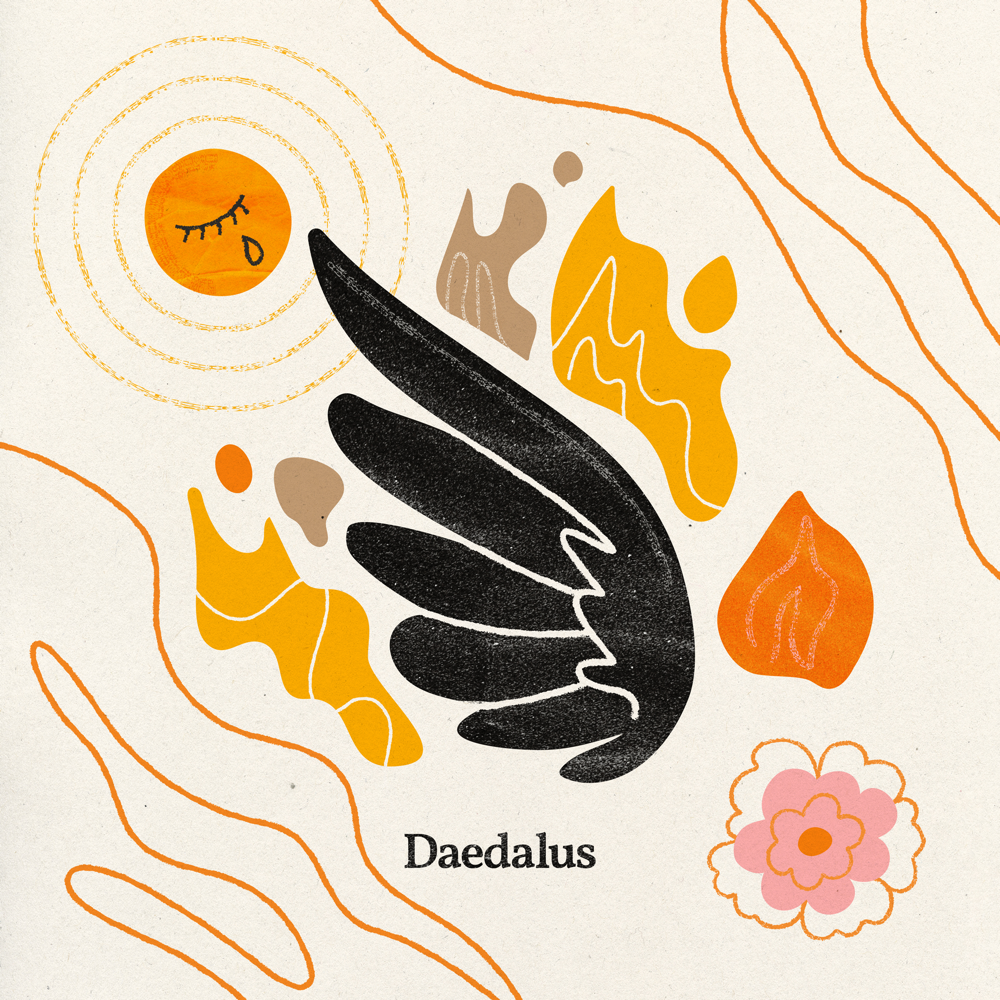
The lyrics paint a picture of a precarious ascent, a silent circling that precedes a fall. There's a palpable sense of having pushed boundaries too far, a realization that the pursuit of a "true desire" has led to an unsustainable position. The initial lines suggest a moment of hesitation before impact, a desire to retreat or find shelter from the consequences of their ambition.
The core tension lies in the conflict between ambition and consequence, faith and reality. The narrator questions whether their internal "idols" or external "faith" dictates their path, especially as they acknowledge "ever-changing parts" and the accumulation of "scars." This introspection hints at a spiritual or emotional reckoning, a moment where the cost of flying high becomes apparent.
The recurring imagery of "circling" and "flying so high" contrasts sharply with the fear of never reaching the ground and the encroaching "dark." The repeated question, "Can we see the stars now?" shifts from wonder to a desperate plea, suggesting that the lofty goals have obscured a more grounded reality. The desire to "fly out so high" becomes a desperate attempt to be seen, perhaps seeking validation or escape before the inevitable descent.
This lyrical construction is effective because it captures a universal feeling of overreach and the subsequent anxiety. The ambiguity of the "sigils" and "idols" allows listeners to project their own ambitions and moral quandaries onto the narrative. The shift from the exhilaration of flight to the dread of darkness creates a potent emotional arc, leaving the listener with a sense of unresolved tension and the haunting question of what happens when the ascent ends.
 View Artist