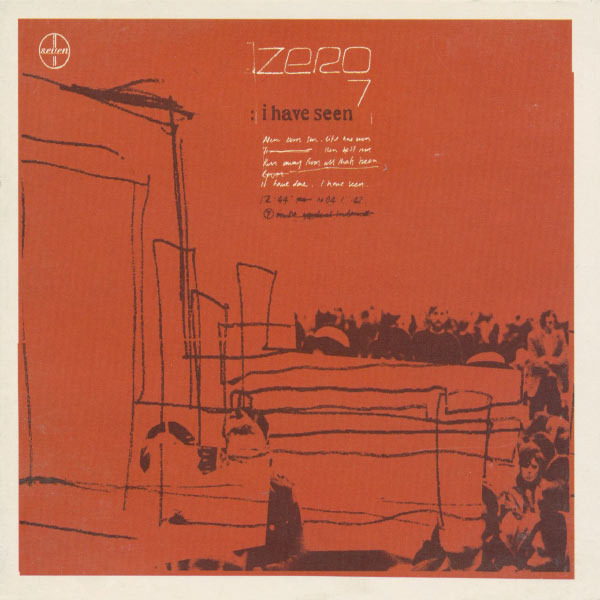
Song Meaning
The lyrics paint a stark portrait of an old man, a figure of public curiosity and private reflection. The repetition of "I have seen" immediately establishes a sense of lived experience, a burden or wisdom accumulated over time. This isn't a celebration of life, but a weary acknowledgment of its passage, marked by the passive "people stare" and the internal "thinking back."
The central tension lies in the contrast between the relentless, slow march of time and the narrator's deep, almost resigned certainty. "Time goes so slow, Days come and go" captures a feeling of stagnation, yet "But I know, yes I know" suggests an unshakeable internal truth. This knowledge seems to stem from a cyclical understanding of life, as evidenced by the juxtaposition of the old man and the "new born son."
The most striking craft element is the mirroring of the narrator's past with the son's future. The old man is "always back, where he's been," while the son is urged to "Take this turn, then he'll run / Run away, from all that's been." The narrator's own past actions are condensed into "I have done, I have seen," directly linking his own experience to the son's potential escape. This creates a poignant sense of inherited patterns and the inescapable nature of one's own history.
These lyrics hit hard because they articulate a profound, almost melancholic understanding of existence. The simple, declarative sentences and the insistent repetition of "I have seen" and "I know" lend a weight of undeniable truth. It’s the quiet, internal realization of life's cyclical, often difficult, nature that resonates, suggesting that even as new life begins, the echoes of what has been are ever-present.