Song Meaning
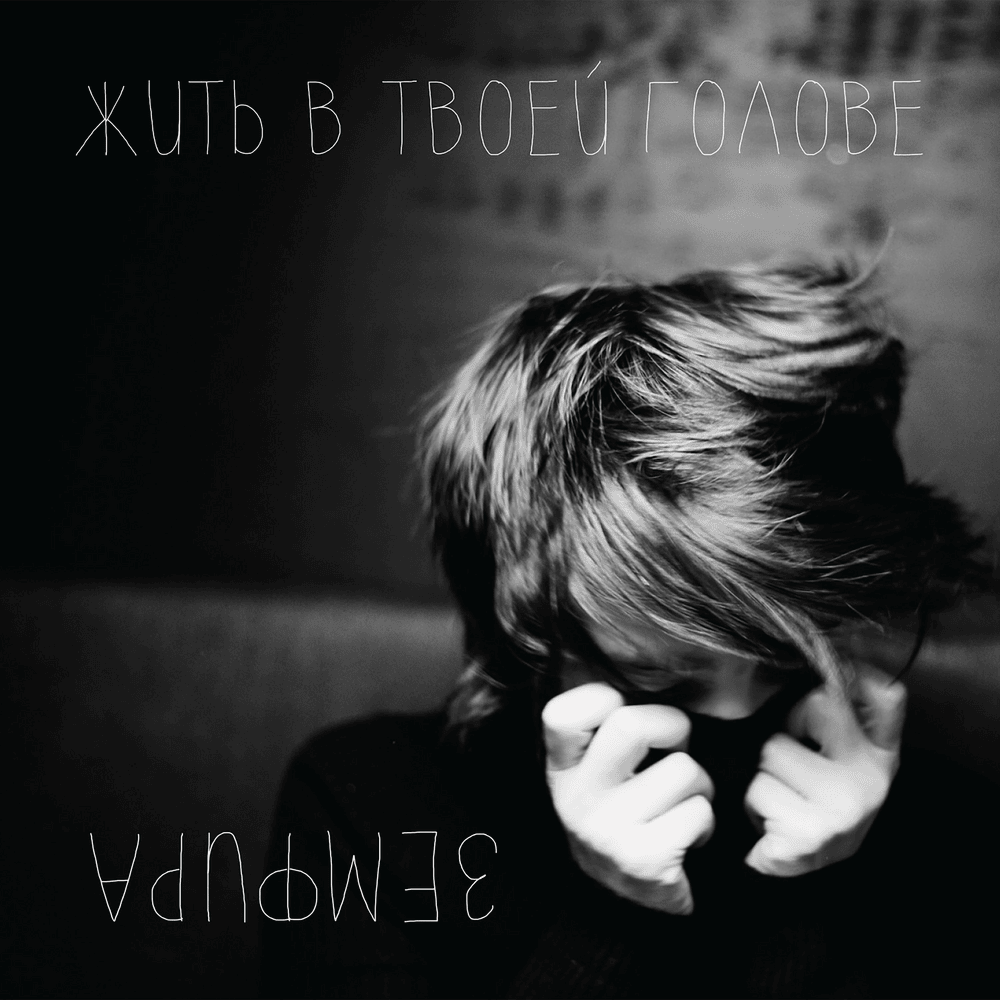
The lyrics paint a stark picture of an intense, all-consuming relationship that teeters on the edge of destruction. The central desire is to inhabit another's mind, to be perpetually present within their thoughts, a state described as both "unjustifiably" and "desperately" loving. This yearning for complete mental and emotional fusion is immediately juxtaposed with a chilling counterpoint: the wish to kill the other person, albeit "unconsciously" and "accidentally." This violent paradox forms the core tension, suggesting a love so potent it becomes destructive.
The verses recall a shared past filled with grand, idealistic notions. They listened to the "quiet ocean" and saw "cities," believing in "eternal love" and thinking "forever." These images evoke a sense of boundless possibility and naive optimism. However, this idyllic past is contrasted sharply with the present confusion described in the second verse. They became "tangled in complete darkness," their "lights" only leading to a collapse "like the sky in the room," leaving them "utterly alone."
The most striking element is the repeated, almost incantatory refrain: "To live in your head / And to kill you unconsciously, accidentally." The repetition of "unconsciously, accidentally" underscores a sense of helplessness or inevitability in the destructive impulse. It’s not a planned malice, but a consequence of this overwhelming, perhaps suffocating, intimacy. The desire to live in someone's head becomes a prison, leading to an accidental demise of the relationship, or perhaps even the self within that relationship.
This lyrical construction is effective because it captures the dizzying, often terrifying intensity of deep emotional entanglement. The contrast between the sweet, almost poetic imagery of shared dreams and the stark, violent outcome of their present state creates a powerful emotional resonance. The lyrics suggest that the very act of wanting to possess someone so completely, to live inside their mind, can inadvertently lead to their undoing, a tragic consequence of love's most extreme forms.
 View Artist