Song Meaning
The narrator confesses an inability to express deep feelings, specifically love, stating "Nisam znao da ti kažem da te volim" (I didn't know how to tell you I love you). This inability is framed as a persistent fate, a "usud" that has followed them from the start. The lyrics suggest a profound internal struggle where love is perceived as a rare, almost pathological condition, "Ljubav je danas bolest retka" (Love is a rare disease today), implying a disconnect from a world that doesn't value such depth. This sets up a poignant contrast between the narrator's intense inner world and their outward silence.
The central tension arises from this unexpressed affection and the resulting emotional paralysis. The narrator sees a unique brilliance in the other person, a "sjajem kog ne vide duše sitne" (a radiance that petty souls don't see), but this perception remains locked within. The repeated phrase "Nisam znao da ti kažem šta mi značiš" (I didn't know how to tell you what you mean to me) underscores the missed opportunities and the weight of unspoken words during crucial years, "Dok su godine pred nama bile bitne" (While the years ahead were important).
A striking element of the craft is the recurring refrain, "Nikad ovo pročitati nećeš" (You will never read this), revealing a hidden life of creative expression – secret songs written for others. This act of concealment highlights the narrator's fear of vulnerability and their resignation to a life of mere existence rather than true living: "Al' ne živim život, samo dišem" (But I don't live life, I just breathe). The contrast between the vibrant inner world of secret songs and the passive outer self, destined to be indistinguishable from anyone else, "Biću isti kô svi koje sretneš" (I will be the same as everyone you meet), creates a powerful sense of internal exile.
This lyrical landscape resonates because it captures the quiet desperation of unexpressed love and the profound loneliness that accompanies it. The narrator's inability to bridge the gap between their inner feelings and outward communication leads to a life lived in shadow, a poignant testament to the pain of unspoken truths. The craft effectively uses repetition and stark contrasts to convey the deep emotional cost of this internal silence, making the listener feel the weight of what remains unsaid.
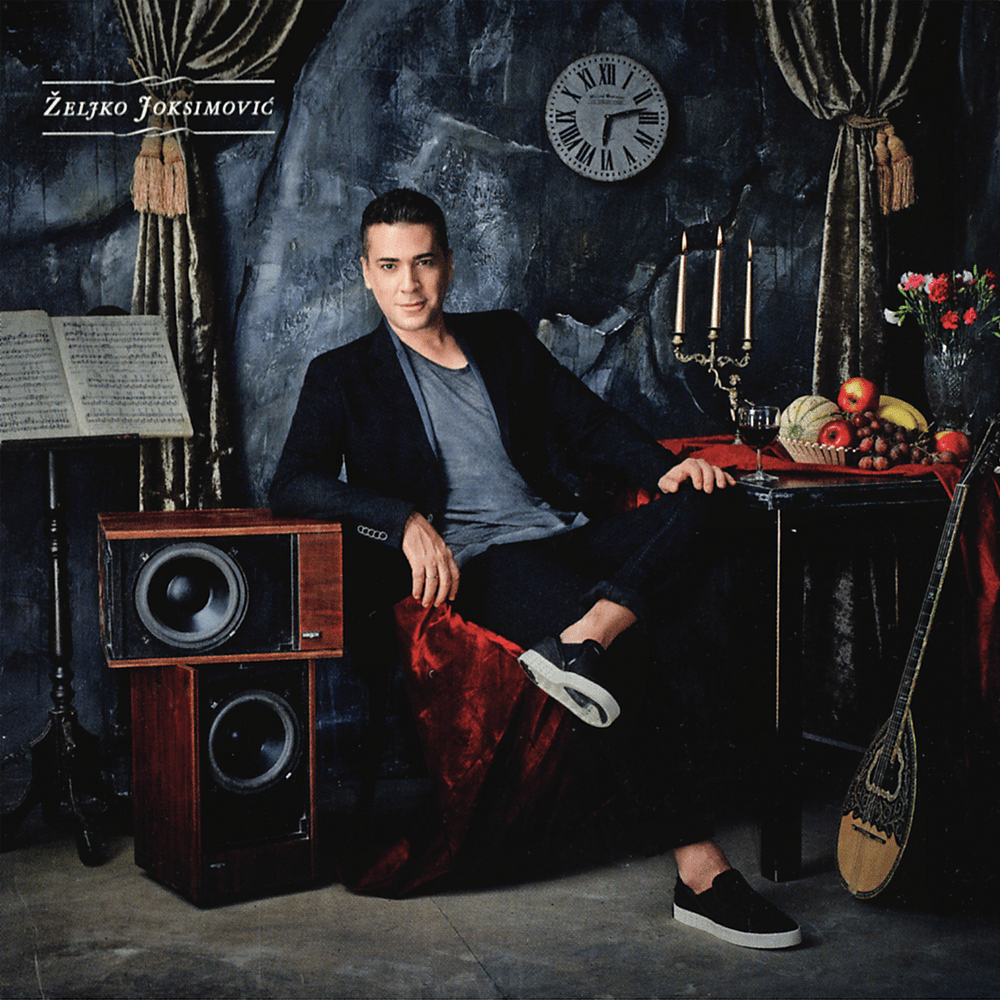
 View Artist