Song Meaning
The lyrics paint a stark picture of post-breakup desolation, centered on the narrator's profound regret and isolation. The opening verse immediately establishes a sense of public scrutiny and private pain, with others inquiring about the absent "Lutko moja" (my doll). This external pressure amplifies the internal wound, as the narrator laments the loss of the person they once pleaded with and who no longer loves the "scum" they apparently became. The plea for forgiveness, "molim te da mi oprostiš," hangs heavy, underscoring a deep sense of guilt.
The core emotional tension lies in the narrator's self-blame and the finality of their loss, starkly symbolized by the "Ponedeljak, hladan i siv" (Monday, cold and gray). This Monday isn't just a day; it's the marker of a definitive end, a harsh confirmation of guilt after a simple "Hvala si rekla" (You said thank you) that feels like a dismissal. The regret is palpable in the line "Nisam te kako treba ni poljubio" (I didn't even kiss you properly), suggesting a fundamental failure in the relationship's intimacy. The repeated image of looking "u mrak" (into the dark) while feeling both "slab i jak" (weak and strong) captures a paralyzing state of being, unable to move forward yet enduring the pain.
The most striking craft element is the juxtaposition of the intimate, perhaps once, affectionate "Lutko moja" with the harsh reality of the narrator's perceived failings and the bleak, unchanging present. The phrase "živim, a više ne dišem" (I live, but I no longer breathe) is a powerful metaphor for a life devoid of vitality, a mere existence following the emotional death of the relationship. This internal state is further emphasized by the narrator's disengagement from the future, "Više se ne okrećem / Ni za jednim prolećem" (I no longer turn / For any spring), signifying a complete surrender to the present darkness.
These lyrics resonate because they articulate a specific, crushing form of regret that feels both deeply personal and universally understood in its depiction of irreversible mistakes. The writing avoids grand pronouncements, instead focusing on the quiet, suffocating aftermath of a relationship's end. The imagery of cold Mondays, darkness, and a life unbreathed creates a potent atmosphere of loss, making the narrator's internal suffering palpable and unforgettable.
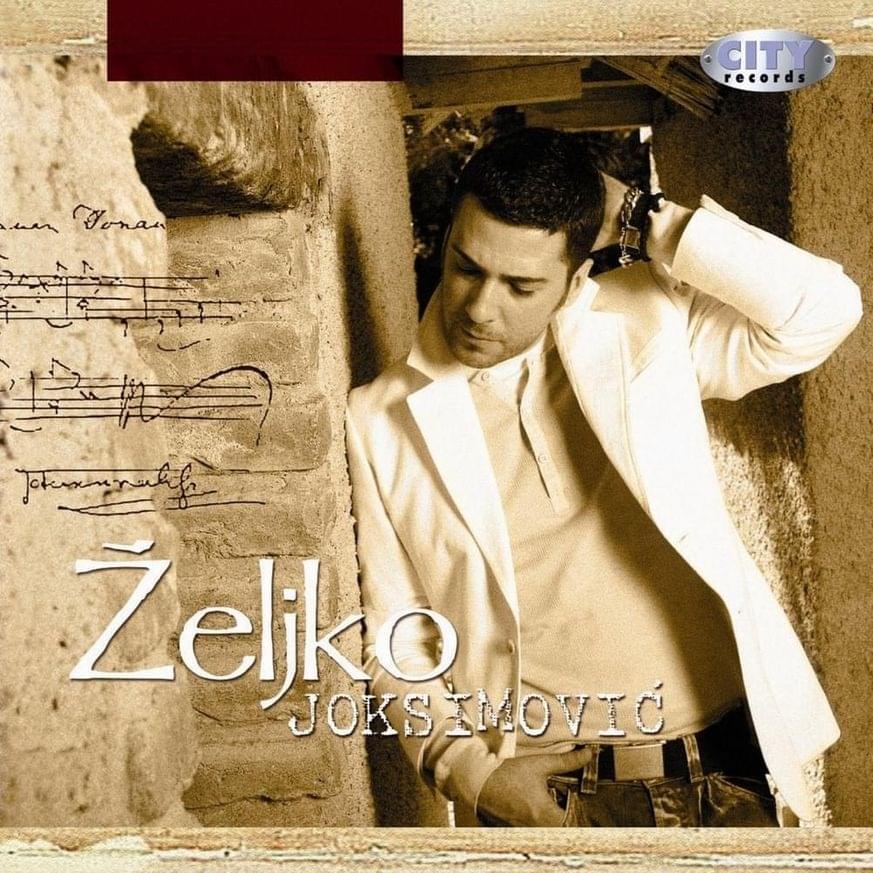
 View Artist