Song Meaning
The lyrics paint a picture of someone desperately wanting a relationship to end but being unable to initiate the breakup themselves. The narrator pleads, "Idi na put, vrati se kao devojka / Koju sam nekad davno voleo" (Go on your way, come back like the girl / I once loved long ago), setting a tone of regret and a desire for a past state that seems unattainable. This initial plea immediately establishes the central conflict: a wish for separation framed as a return to a lost ideal, hinting at a self-inflicted wound on the relationship itself. The narrator acknowledges this, confessing, "Ono srce koje sam ti slomio" (That heart that I broke for you).
The core tension lies in the narrator's profound inability to be the one to end things, even though they clearly desire it. This is explicitly stated in the chorus: "Nemam snage za kraj / Zato molim te sama idi" (I don't have the strength for the end / So please, go alone). The narrator recognizes their own destructive pattern, admitting, "Ja sam takav i to se vidi / Da ti srce kidam sloj po sloj" (I am like that and it shows / That I tear your heart layer by layer). This self-awareness, however, doesn't lead to action, but rather to a plea for the other person to take the painful step, highlighting a paralyzing fear of confrontation or perhaps a twisted form of self-punishment.
The most striking aspect of the writing is the narrator's contradictory stance: they want the person gone, yet they don't want to be the one to cause the final pain, even while admitting they already have. The repeated phrase "Nemam snage za kraj" acts as a desperate refrain, underscoring this inability to act. The line "Kada ne volim, nisam leden / I tebi je jasno, nikada ja nisam bio tvoj" (When I don't love, I'm not ice / And it's clear to you, I was never yours) reveals a deep-seated detachment that has always been present, suggesting the current plea is a belated, albeit passive, acknowledgment of a truth that was always there. The narrator's desire is for the other person to leave, but also to leave behind the remnants of the narrator's presence, as expressed in "Polako sve vremenom neka nestane / I polako nek' iz tebe ode ja" (Slowly let everything disappear with time / And slowly let me leave from you).
These lyrics resonate because they capture the agonizing paralysis of wanting an inevitable ending but lacking the courage to enact it. The narrator's self-deprecation and admission of past and present emotional damage create a raw, uncomfortable honesty. The plea for the other person to initiate the breakup, despite the narrator's own admission of already having broken their heart, is a complex portrayal of emotional immaturity and a desperate, albeit flawed, attempt to manage the fallout of a relationship that has already ended internally for the speaker. The final French phrase, "Je vais avec toi" (I'm going with you), adds a haunting, ambiguous layer, perhaps suggesting a lingering, unwanted connection or a final, resigned departure alongside the other person.
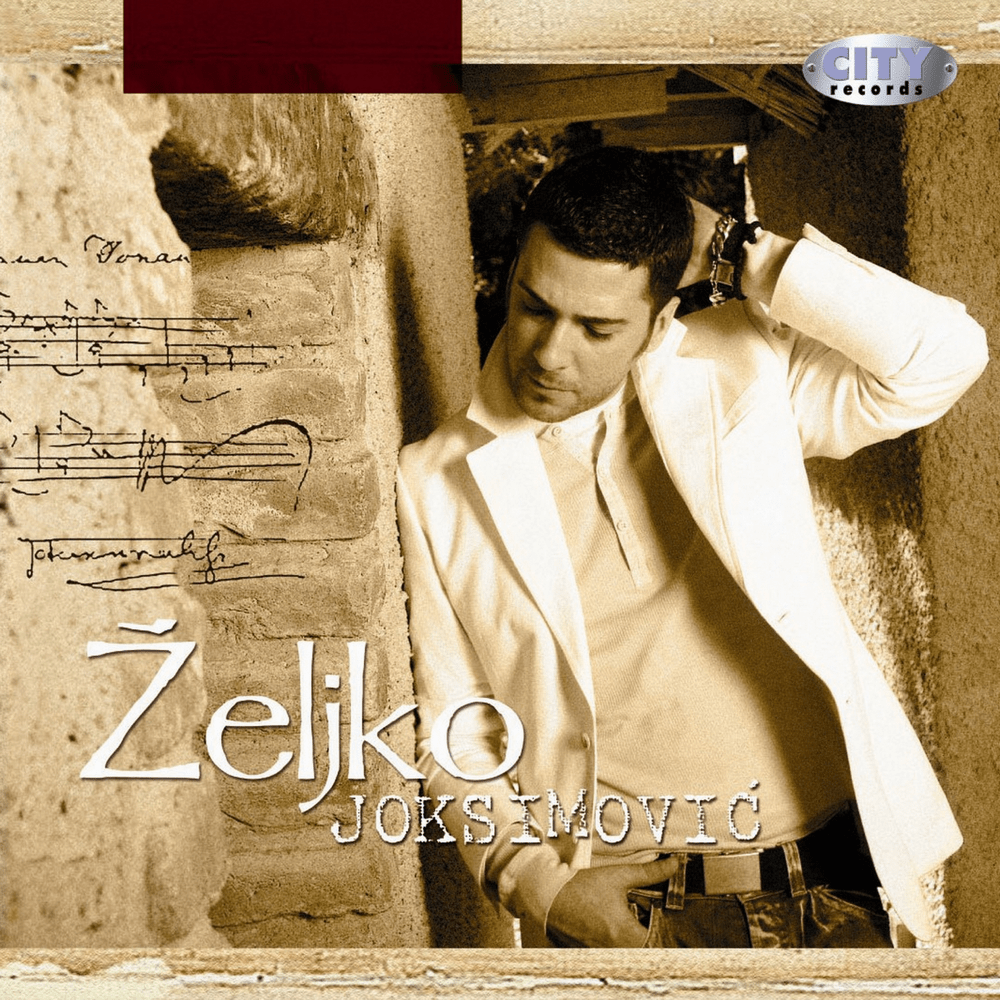
 View Artist