Song Meaning
The lyrics paint a stark picture of profound grief and dependency, immediately establishing a sense of prolonged suffering with the repeated "Devet dana" (Nine days). This isn't just a bad mood; it's a "košmar" (nightmare) that "ne prolazi" (doesn't pass), with "rana na srcu" (a wound on the heart) that feels intensely physical and unending. The narrator's world has collapsed, leaving them grasping for air, unable to find solace or an escape.
The central tension lies in the narrator's absolute inability to function or feel alive without the presence of the other person. The phrase "nisam živ kada nisi tu" (I'm not alive when you're not here) is a direct declaration of this dependency. The wound on the heart is described as "živa" (alive), a chilling paradox that suggests the pain itself is the only thing keeping them tethered to existence, yet it's a painful existence. The plea "ti mi pucaj pravo u srce" (shoot me right in the heart) when the person leaves is a desperate, almost masochistic expression of wanting the end of this suffering, even if it means a literal death.
The most striking aspect of the craft is the stark, almost brutal imagery used to convey emotional devastation. The idea of the "Zemlja se ne otvara" (Earth doesn't open) to receive them is a powerful image of being trapped, with no release or burial possible. The contrast between being "živi kô da umire" (alive as if dying) and the literal plea for death highlights the unbearable nature of their current state. The repetition of "devet" (nine) amplifies the feeling of a relentless, inescapable period of agony.
This lyrical construction is effective because it bypasses nuanced emotional description for raw, visceral impact. The directness of the language, combined with the stark, almost violent imagery, creates a sense of overwhelming despair. The narrator isn't just sad; they are existentially broken, and the lyrics force the listener to confront the sheer intensity of that feeling, making the pain palpable and the dependency absolute.
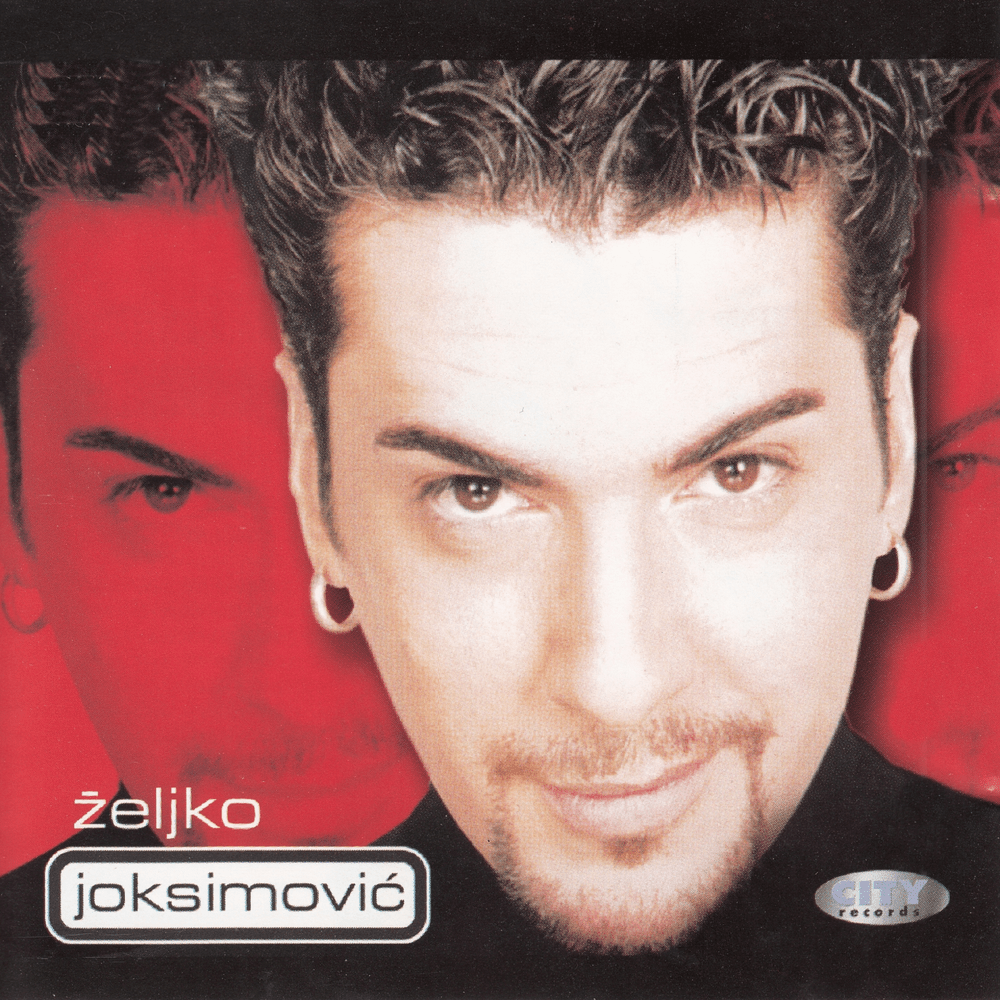
 View Artist