Song Meaning
Zélia Duncan’s "Terrifying" isn't terrifying at all; it’s a gentle unraveling of the ego, a shedding of self-imposed burdens. The initial lines confess a state of distraction and indecision, a classic symptom of internal conflict. But then, a shift occurs: a newfound tranquility emerges from the chaos. This isn't a simple resolution; it’s a hard-won acceptance. Duncan sings of wasted chances, moments spent trying to prove herself, a deeply relatable human struggle. The core revelation within the song meaning lies in the understanding that the need for external validation is a trap, a self-destructive act of breaking oneself into pieces for someone else to assemble.
The lyrics hint at a journey of self-deception, comparing it to a fallen angel who consciously chooses to forget. This is a powerful image of willful ignorance, the kind we all engage in to protect ourselves from uncomfortable truths. The phrase “mentir pra si mesmo / É sempre a pior mentira” (lying to yourself is always the worst lie) is the crux of the song's psychological exploration. Duncan acknowledges a past where she sought explanations for her feelings, a common tendency to intellectualize emotions rather than simply experiencing them. However, the song moves beyond this, embracing a state of not knowing, a release from the pressure to have all the answers.
The latter half of "Terrifying" explores connection and shared experience. Duncan suggests a deep, almost unspoken understanding with another person, a recognition that “I see the same as you.” This shared vision, described as “so correct and so beautiful,” points towards a profound intimacy built on mutual acceptance. The mention of the infinite as one of the most beautiful gods suggests a reverence for the unknown, a willingness to embrace the vastness and mystery of existence. Finally, the repeated lines about not worrying about the 'why' and seeing what almost no one sees, combined with the admission of wanting the same thing as 'you,' underscore the theme of vulnerability and the terrifying, yet ultimately liberating, act of genuine connection. The acknowledgment of repeated words highlights the limitations of language itself, questioning what remains unsaid, what feelings lie beyond the reach of articulation.
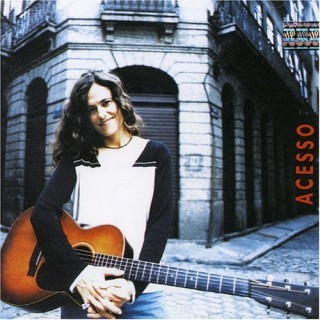
 View Artist