Song Meaning
Zélia Duncan's "Всё наоборот (Everything is the other way around)" isn't just a song; it's a sharp, satirical jab at the relentless pursuit of coolness and authenticity in a world saturated with trends. Duncan dissects the contemporary obsession with being 'bacana' – a Portuguese slang term roughly translating to 'cool' or 'awesome'. She paints a portrait of individuals desperately curating their lives through albums, photos, weekend tips, and carefully selected cultural artifacts. This pursuit extends to fashion, hairstyles, and even profound 'discoveries,' all meticulously crafted for public consumption. The song's meaning lies in exposing the emptiness behind this curated facade, a hollow echo chamber where everyone strives to be unique, yet ironically ends up conforming to a different set of expectations. Duncan points out the endless cycle of reinvention, where people constantly seek the 'new' only to become another iteration of the same old trend. It is the ouroboros of cool.
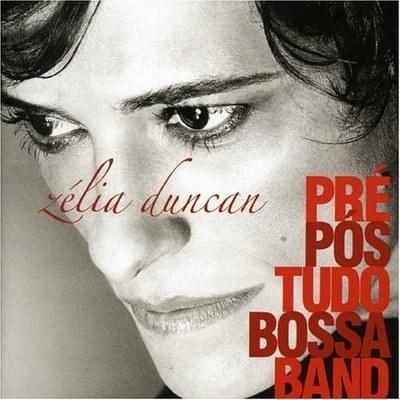
The repeated refrain of "Pré-pós-tudo-bossa-band" acts as a cynical mantra, a mocking label for the ever-evolving, yet ultimately stagnant, landscape of modern music and culture. It's a meta-commentary on the constant need to categorize and label everything, even as these categories become increasingly meaningless. Duncan captures the sense of being overwhelmed by the sheer volume of trends and influences, a feeling of being lost in a sea of fleeting fads. The lyrics hint at a deeper frustration with the superficiality of it all, a longing for something genuine amidst the manufactured coolness. The song challenges the listener to question the motivations behind their own pursuit of coolness and authenticity, and to consider whether they are truly being themselves or simply playing a role in the endless performance of modern life.
The song's brilliance lies in its ability to be both critical and playful. Duncan's tone is not one of outright condemnation, but rather of wry observation. She acknowledges the absurdity of the situation while also recognizing the human desire to belong and to be seen as cool. This nuanced perspective makes the song all the more resonant, as it speaks to the inherent contradictions of modern life. The final lines, "Moderno, eu não te enxergo bem / Tá cego, mas tá guiando alguém" encapsulate the central irony of the song: the blind leading the blind in a relentless pursuit of a trend that is constantly shifting and ultimately meaningless. Zélia Duncan's lyrics analysis reveals a society caught in a perpetual loop of self-conscious reinvention.
 View Artist