Song Meaning
Zélia Duncan's "Nos Lençóis Desse Reggae" isn't just a song; it's a mood, a yearning glazed with smoke and the bittersweet knowledge of mortality. The opening lines, "Flash de viagem / Vontade de cantar um reggae," immediately establish a desire for escape, not just geographically, but emotionally. It's the impulse, the 'impulso,' that drives the heart, but that heart is heading towards life, which Duncan bluntly equates with death. This isn't nihilism, but a clear-eyed understanding of impermanence that fuels the need for intense, present-moment connection.
The reggae rhythm itself becomes a metaphor for this fleeting connection. Duncan's plea, "Não me negue / Só me reggae," is both playful and desperate. "Reggae me" could be interpreted as a request for understanding, for a shared rhythm of existence, or even a coded sexual invitation. But it’s an invitation with boundaries: "Só me toque quando eu pedir / Senão pode / Ferir o dia." The vulnerability is palpable. She acknowledges the "dia todo cinza" – the gray, mundane reality she brings to the relationship – and the potential for that reality to be wounded by unwanted or mistimed intimacy.
Ultimately, "Nos Lençóis Desse Reggae" is about seeking solace and pleasure within the confines of mortality. The recurring image of "lençóis desse reggae" (the sheets of this reggae) suggests a safe space, a temporary haven created within the music and the physical intimacy it inspires. The "Passagem pra Marrakesh" (ticket to Marrakech) isn't literal; it represents the longing for a transcendent experience, a journey beyond the everyday. Duncan isn't just asking for a reggae song; she's asking for a shared moment of intense feeling, a brief escape from the inevitable grayness, all wrapped in the rhythms of a transient connection.
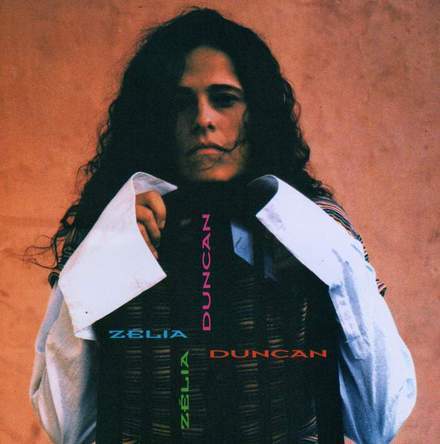
 View Artist