Song Meaning
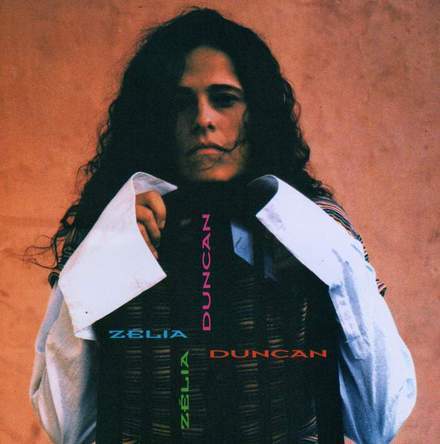
Zélia Duncan's "Eu Nunca Estava Lá" translates to a haunting confession of emotional absence. The core of the song meaning revolves around the artist's past self, someone who consistently evaded genuine connection, a figure perpetually "not there" when it mattered most. Duncan paints a vivid picture of emotional self-preservation, observing life and relationships from a safe remove, a distance born from fear. The lyrics speak of words lost in "the dark curves of life," suggesting a period of confusion and perhaps trauma that led to this detached state. She watched "from afar, like someone hiding from danger," which encapsulates the core feeling of the song.
The recurring line, "E eu nunca estava lá" (And I was never there), acts as a painful mantra, a self-reproach that echoes throughout the song. There's an admission of inflicting pain as a form of vengeance against past hurts, a "custom" that only perpetuated the cycle of emotional unavailability. But the song doesn't wallow solely in regret. There's a turning point, a recognition that avoidance is ultimately unsustainable. Duncan acknowledges that "one day everything returns and knocks on the door of the hiding place," suggesting an eventual confrontation with the emotions she'd long suppressed.
The most potent lines reveal a shift in perspective. "Feeling is a risk and a gift / That now belongs to me / And I want only for myself." This signifies a reclamation of emotional capacity, a willingness to embrace vulnerability despite the inherent dangers. The final lines, "Feeling is a prison and an exit / A kiss and a bite in solitude," capture the complex duality of genuine emotion. It is both confining and liberating, capable of bringing both pleasure and pain, especially when experienced in isolation. "Eu Nunca Estava Lá" becomes an exploration of the journey from emotional detachment to a hard-won acceptance of feeling, with all its inherent contradictions. It acknowledges the past, but ultimately looks toward a future where connection, however fraught, is finally embraced.
 View Artist