Song Meaning
Zélia Duncan's "Enquanto Durmo" isn't just a song; it's a masterclass in sonic vulnerability, a raw, exposed nerve set to music. The lyrics, sung in Portuguese, paint a portrait of someone wrestling with inner turmoil, adrift in a sea of unanswered questions. Duncan doesn't offer easy answers, instead, she throws us headfirst into the speaker's disquiet. The opening lines, about questions drowning in responses, immediately establish this theme of being overwhelmed, of searching for solid ground in a landscape of shifting sands. The repeated lines "Não me salvo porque não me acho / Não me acalmo porque não me vejo" (I don't save myself because I don't find myself / I don't calm down because I don't see myself) are a painful admission of self-estrangement, a core wound laid bare. The speaker is lost not just to the world, but to themself. They are disconnected from their own identity.
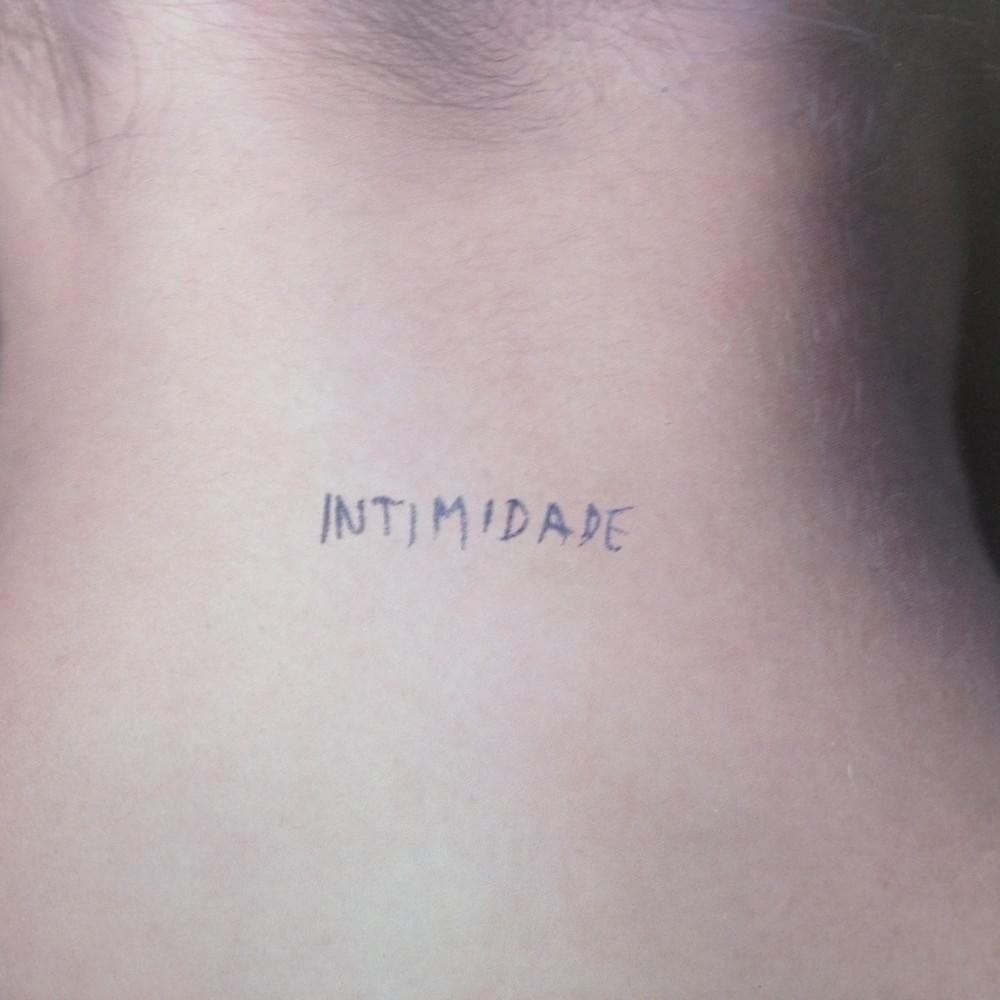
The recurring image of waiting for the rain is particularly evocative. The rain, falling on her house, face, and "wide back," suggests a desire for cleansing, for emotional catharsis. But it's the intimate detail of someone caressing her "wide back" while she sleeps that adds another layer of complexity. This act of tenderness, occurring only in the vulnerable state of sleep, hints at a reliance on another for comfort and perhaps even a sense of self. The "wide back" itself could be interpreted as a metaphor for bearing burdens, both literal and emotional. The caress, then, becomes an act of support, a silent acknowledgment of those burdens.
"Enquanto Durmo" explores the push and pull between seeking solace in others and confronting one's inner demons. The lyrics suggest a fragile equilibrium, a precarious dance between self-awareness and self-sabotage. The line "De longe parece mais fácil / Fragil é se aproximar" (From afar it seems easier / Fragile is to get closer) encapsulates this tension perfectly. It's easier to observe from a distance, to intellectualize and analyze, but true vulnerability lies in allowing oneself to be seen, to be touched, even while sleeping. Zélia Duncan's song is a powerful reminder that healing is not a solitary endeavor; it often requires the gentle, unwavering presence of another, a hand on our back while we navigate the darkness.
 View Artist