Song Meaning
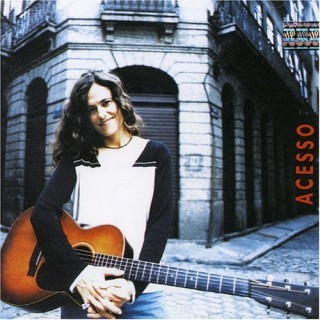
Zélia Duncan's "Código De Acesso" (Access Code) unfolds as a defiant manifesto against commodification, a fierce declaration of self-worth that transcends material value. The lyrics, delivered with Duncan's characteristic blend of strength and vulnerability, paint a portrait of a woman who is resolutely unbuyable. She rejects overtures of wealth and status – "cash, ticket, endereço" (cash, ticket, address), "mansão com piscina" (mansion with a pool), "avião com tudo em cima" (plane with everything on top) – not with disdain, but with a knowing dismissal. This isn't mere rejection; it's a fundamental reordering of priorities.
The core of the song meaning lies in the titular "código de acesso" – the access code. This isn't a password to be bought or coerced; it's an internal, complex, and deeply personal key. Duncan uses evocative imagery to describe it: "nexo, é dor, é flor" (nexus, it's pain, it's flower), "côncavo, é complexo" (concave, it's complex), culminating in "o ninho do verso de amor" (the nest of the verse of love). This suggests that true access isn't granted through superficial offerings, but through understanding and appreciating the intricate tapestry of emotions and experiences that make her who she is.
The song's latter half reinforces this idea. Duncan urges the suitor to reconsider their approach: "Não suba que eu desço, nem reze esse terço" (Don't go up that I come down, nor pray that rosary), suggesting a power dynamic where she holds the upper hand. The rejection extends beyond material possessions to include fleeting desires and superficial connections – "Seu flat, seu beijo, tesão, seu desejo" (Your flat, your kiss, lust, your desire). Ultimately, the "código de acesso" is revealed to be something far more profound: "É uma linda canção de amor" (It's a beautiful love song). The song itself becomes the access code, a testament to the power of vulnerability, artistry, and genuine connection over fleeting, transactional encounters.
 View Artist