Song Meaning
The lyrics paint a stark picture of a relationship fractured by betrayal, where the pain inflicted is seen as a debt owed. The repeated phrase, "تدري ان الجرح" (Do you know that the wound), opens the song, immediately establishing a tone of somber reflection and a direct address to the person who caused the hurt. This isn't just about sadness; it's about a perceived cosmic balance, where the act of wounding creates an obligation for reciprocation, even if circumstances prevent it.
The central tension lies in the inescapable nature of this pain and the lingering connection despite the separation. The narrator questions where the other person can go when they are "in yourself a prisoner" and how they can forget when they've taken the narrator's own sense of self with them. The idea that the "specter of your betrayal, like your shadow, follows you" suggests that the damage done is not confined to the narrator but has become an intrinsic part of the betrayer's existence.
The most striking aspect of the writing is the transformation of love into hate, directly linked to the depth of the initial affection. The narrator states, "Weakness, as much as I loved you, I've become to hate you." This isn't a simple shift; it's a proportional reaction, implying that the intensity of the past love makes the current hatred even more potent and profound. The feeling of being unrecognizable to oneself and the other person underscores the destructive impact of the betrayal on identity.
Ultimately, these lyrics resonate because they articulate a complex emotional landscape where hurt creates a binding, albeit painful, connection. The narrator's struggle to reconcile past love with present bitterness, and the idea that the wound itself carries a form of consequence, offers a raw and unflinching look at the aftermath of deep emotional injury.
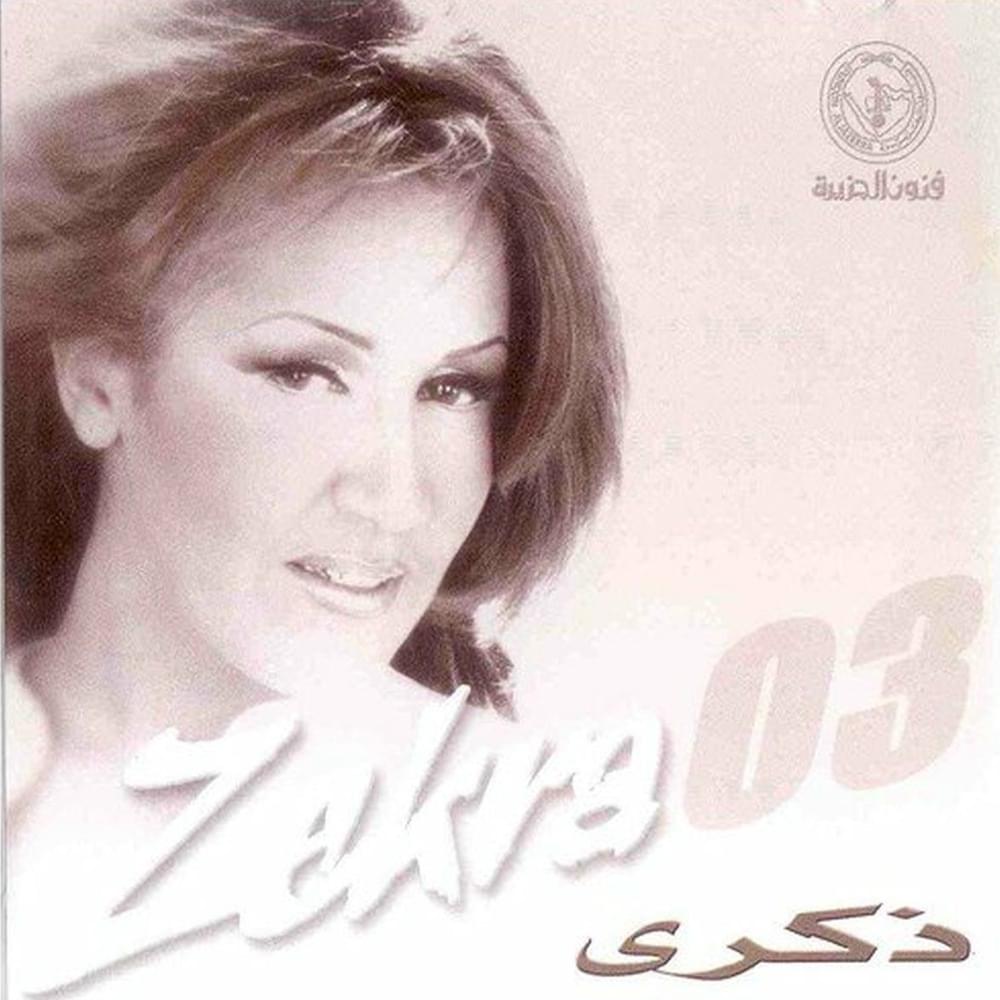
 View Artist