Song Meaning
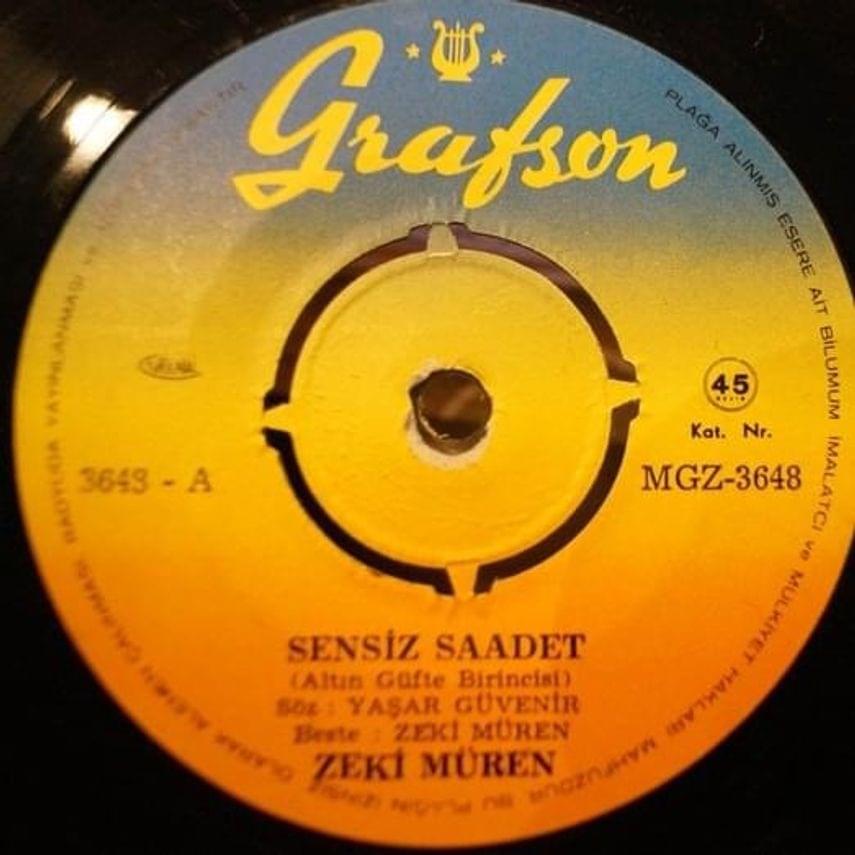
The lyrics paint a stark picture of a love that exists only in the abstract, a happiness the narrator can't even imagine without the beloved. The repeated phrase "Sensiz saadet neymiş" (What is happiness without you) immediately establishes this central paradox: a life defined by absence, where joy is an unknown quantity. The narrator insists this person is their "alın yazımsın benim" (written in my destiny), a fate they feel powerless to change or erase, no matter what they do. This sense of inescapable destiny fuels the core emotional tension.
The dominant feeling is one of resigned longing, a bittersweet acceptance of a love that must remain distant. The narrator claims "Seni uzaktan sevmek, en iyi uzaktan sevmek" (Loving you from afar is the best way to love), suggesting a conscious choice or perhaps a resigned conclusion that proximity is impossible or even undesirable. This distant affection is framed as "Arzların en büyüğü" (The greatest of desires), elevating the longing itself to a supreme, almost spiritual, pursuit.
The most striking aspect of the craft is the relentless repetition, particularly of "tatmadım, tatmadım, tatmadım" (I haven't tasted, haven't tasted, haven't tasted) and "ne yapsam, ne yapsam, ne yapsam" (whatever I do, whatever I do, whatever I do). This emphasizes the narrator's complete lack of experience with happiness apart from this person and their futile attempts to alter their fated situation. The final lines, "Alıştım hasretine... Gel desen gelmezler, gelmezler / Gelemem ki" (I've gotten used to your longing... If you say come, they won't come / I can't come), solidify the feeling of insurmountable distance and a love that is both deeply felt and perpetually out of reach.
This writing resonates because it captures the ache of a love that is both deeply ingrained and fundamentally unattainable. The focus isn't on grand gestures but on the quiet, persistent internal state of longing and the acceptance of a destiny that keeps two people apart. The lyrics make the abstract pain of absence feel palpable, transforming a hypothetical state of happiness into a concrete, unexperienced reality.
 View Artist