Song Meaning
The lyrics paint a portrait of an intense, almost consuming love, presented through a series of vivid, sometimes contradictory metaphors. The opening lines establish a deep affection, calling the beloved "my black mulberry, my tangled dark one, my gypsy." This isn't a gentle affection; it's passionate and perhaps a little wild, like a "tangled dark one" or a "gypsy." The narrator sees the beloved as essential, comparing them to a branch on a tree or the honey in a honeycomb, but then immediately pivots to "my poison" and "my sin, my burden," suggesting a love that is both life-giving and deeply problematic. This duality sets the stage for the song's emotional core.
The central tension lies in this push and pull between adoration and a sense of inescapable consequence. The repetition of "my sin, my burden" emphasizes the weight this love carries, hinting at a forbidden or destructive aspect. Yet, the narrator continues to praise the beloved with imagery of coral – "tongue of coral, knee of coral, tooth of coral" – a beautiful but hard, precious material. This juxtaposition of preciousness and burden, beauty and potential harm, creates a complex emotional landscape where the beloved is both a treasure found "on the ground while searching the sky" and a source of deep, perhaps self-inflicted, trouble.
The most striking aspect of the craft is the use of contrasting and escalating terms of endearment and possession. The shift from the initial, somewhat wild descriptions to the almost primal declarations in the outro is stark. The repeated "my woman, my mare, my wife" is particularly potent. "Mare" suggests untamed spirit, strength, and perhaps a wildness that is both desired and potentially difficult to control, echoing the earlier "gypsy" and "tangled dark one." This escalation culminates in a powerful, almost possessive final statement that encapsulates the all-consuming nature of this love, where the beloved is everything, for better or worse.
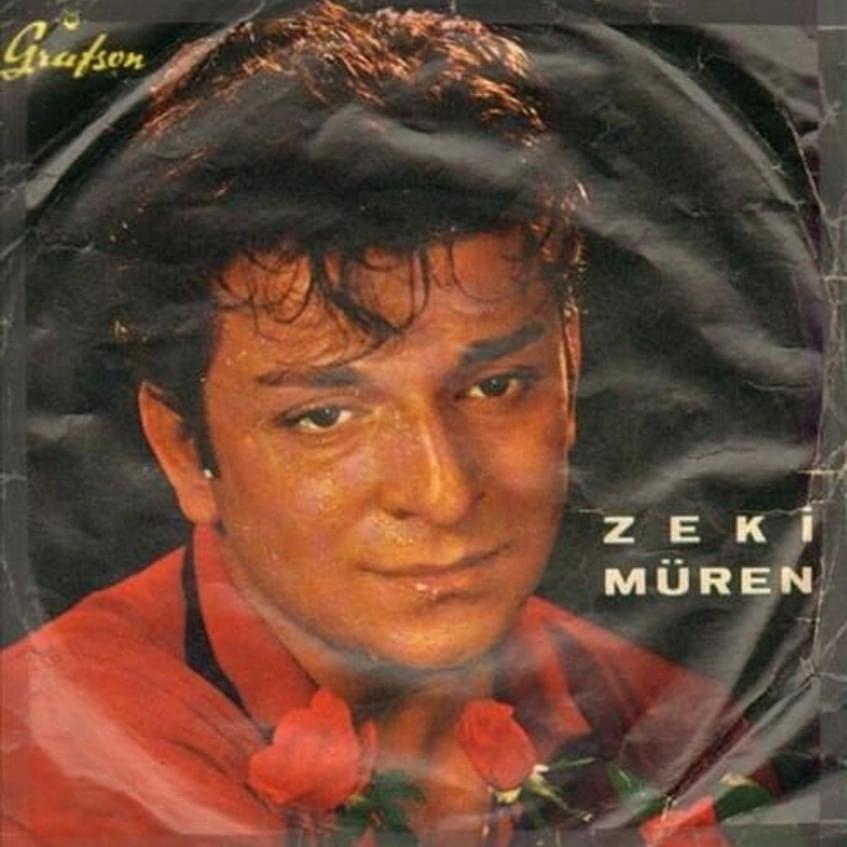
 View Artist