Song Meaning
These lyrics open with a stark image: a single jasmine bouquet, the last vestige of a vanished love. It's a delicate, almost fragile memory, yet it carries the crushing weight of everything lost. The dominant feeling is one of profound, inescapable grief. This is a lament for a love that has left only a trace.
The core tension here is the relentless, unyielding nature of sorrow. "Separation doesn't end," the narrator laments, emphasizing a pain that refuses closure and offers no respite. This isn't just a fleeting sadness; it's a deep, festering wound that "doesn't cease," suggesting a constant, gnawing ache that defines the speaker's present.
What truly hits hard is the triple repetition of "hicran," meaning grief or sorrow. It's not just a wound; it's a "hicran hicran hicran yarası," a visceral, almost physical ache that echoes through the lines. This intense repetition, coupled with the fatalistic declaration that "fate's blackness" cannot be erased, paints a picture of predestined, unchangeable suffering.
The cyclical structure of the lyrics, repeating key phrases about unending separation and unerasable fate, reinforces this sense of entrapment. It creates a haunting, almost ritualistic lament, suggesting that the speaker is caught in an endless loop of sorrow. This makes the delicate "bir demet yasemen" feel even more precious and heartbreaking, a tiny spark against an overwhelming darkness.
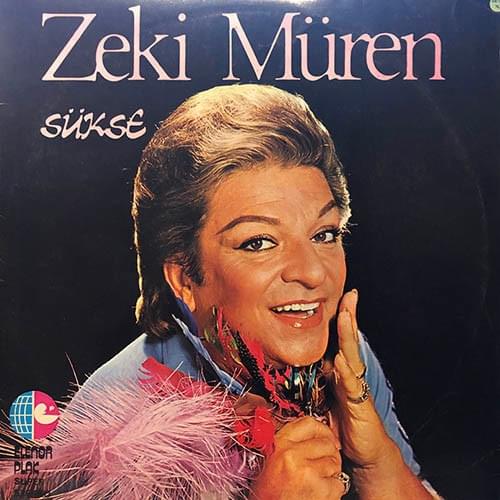
 View Artist