Song Meaning
The lyrics paint a poignant picture of lingering love and the gnawing fear of its demise. The narrator grapples with the possibility that a once-powerful connection has faded from the other person's memory, questioning if their shared past has become irrelevant. This uncertainty hangs heavy, creating a palpable sense of vulnerability and longing.
The central tension revolves around the contrast between the narrator's enduring feelings and the potential for the other person's indifference. The repeated question, "Eskidi mi acaba?" (Has it perhaps grown old?) and "Silindi mi acaba?" (Has it perhaps been erased?) underscores this internal conflict. The narrator clings to tangible remnants of their past love – names carved into trees, pictures on walls – as proof of its significance, while simultaneously fearing these memories hold no weight for the other.
The recurring imagery of "Ağaçlarda ismimiz" (Our names on the trees) and "Duvarlarda resmimiz" (Our pictures on the walls) serves as a powerful anchor to the past. These are not fleeting moments but declarations etched into the physical world, suggesting a love that was once meant to be permanent. The narrator's insistence that these markers "hala duruyor" (still remain) and "hala solmadı" (still haven't faded) highlights their desperate hope that the love itself hasn't vanished, even if the other person's feelings have.
This lyrical exploration is effective because it taps into a universal fear of unrequited or forgotten love. The narrator’s direct, almost pleading questions create an intimate and raw emotional landscape. The persistent questioning, framed against the backdrop of seemingly indelible memories, amplifies the pain of potential abandonment, making the listener feel the weight of the narrator's doubt.
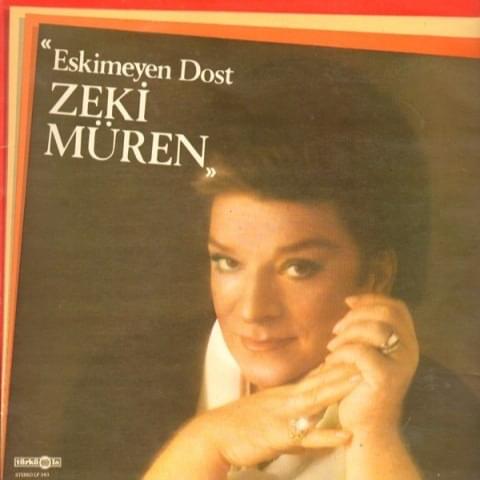
 View Artist