Song Meaning
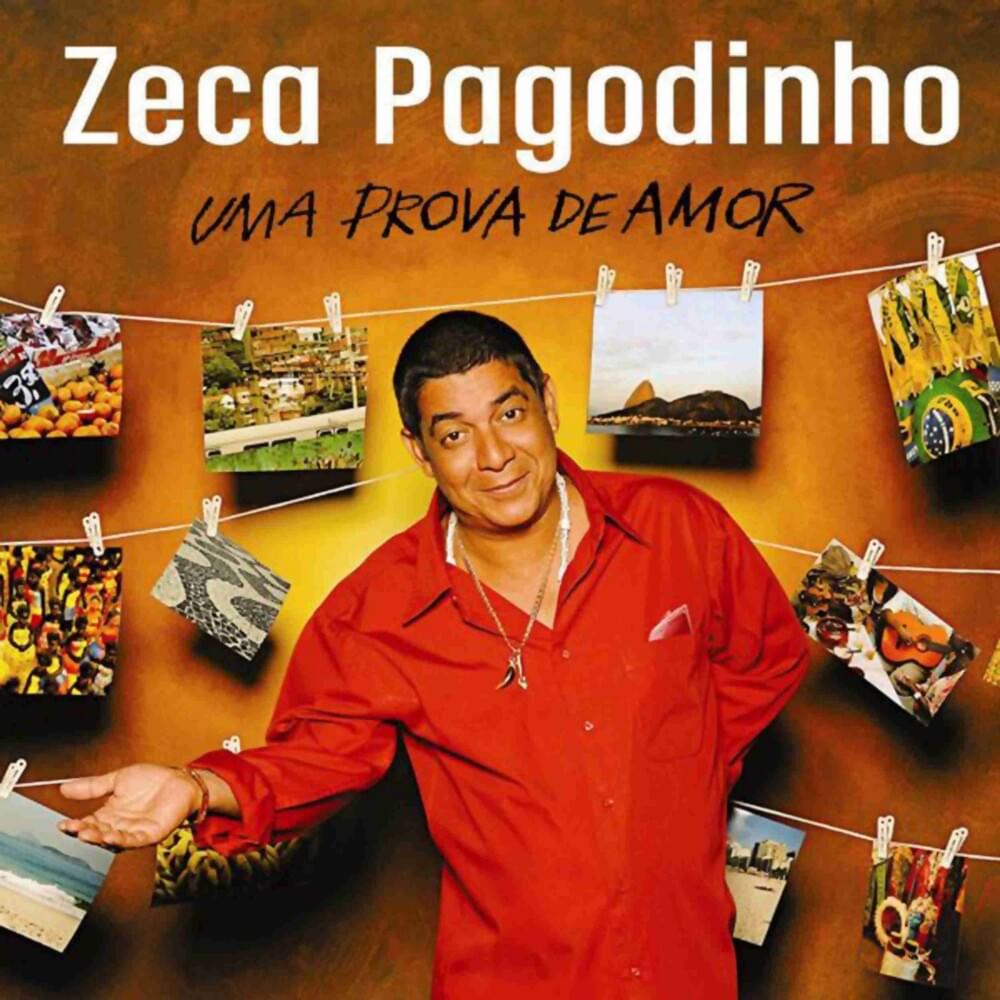
Zeca Pagodinho's "Sincopado Ensaboado" is less a narrative and more a vivid sonic snapshot, a celebration of a specific samba style and a bygone era of Rio de Janeiro nightlife. The title itself, translating roughly to "Soapy Syncopation," hints at the slippery, elusive nature of the rhythm and the smooth moves it inspires. Pagodinho isn't just singing a song; he's evoking a feeling, a memory of a particular kind of cool. It's a tribute to the *malandro*, the street-smart hustler figure so central to samba's history, gliding across the dance floor with deceptive ease. The lyrics paint a picture of a young Zeca, already captivated by the sound of Geraldo Pereira, a key figure in samba's development. This isn't just nostalgia; it's a passing of the torch, a recognition of the lineage that informs Pagodinho's own music.
The reference to Lapa, Rio's historic bohemian district, and its "cabarés" (cabarets) grounds the song in a specific time and place. It's a world of smoky backrooms, clandestine meetings, and the ever-present pulse of samba. The phrase "na ponta dos pés" (on tiptoes) suggests a delicate balance, a sense of being on the edge, both literally on the dance floor and figuratively in life. This precariousness is part of the *malandro*'s charm – he's always one step ahead, evading capture, both by the authorities and by the constraints of conventional society.
Ultimately, "Sincopado Ensaboado" is an ode to a particular feeling, a specific groove that represents a vital part of Brazilian cultural identity. It acknowledges the history of samba, the *malandro* figure, and the vibrant nightlife of Lapa. Pagodinho's performance makes it clear: this isn't just a historical artifact but a living, breathing tradition that continues to resonate today. The repeated assertion that this samba style "sempre foi e será nota 10" (always was and always will be a 10) is less a boast and more a statement of enduring cultural value.
 View Artist