Song Meaning
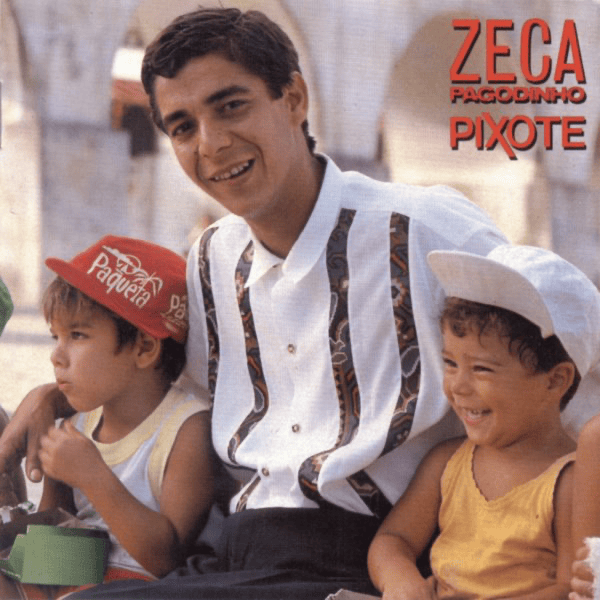
Zeca Pagodinho's "Pixote" isn't just a song; it's an invocation. A plea for the recognition of childhood as a sacred space. The lyrics, simple yet profound, paint a picture of children as embodiments of peace, tenderness, and sweetness – "o doce sabor". Pagodinho doesn't shy away from acknowledging the often painful origins of life ("Criança é o fruto de uma dor"), but swiftly pivots to emphasize the inherent light and enduring legacy each child represents. He uses potent metaphors: children are plants, flowers in a garden, beings of light. These aren't just sentimental images; they are powerful reminders of the fragility and potential inherent in every young life. The song serves as a powerful argument for protection and nurturing.
Beyond mere sentimentality, "Pixote" carries a sharp, almost revolutionary edge. Pagodinho expresses a desire to be a judge, not to punish children, but "to condemn evil with love." This line is crucial. It reframes the traditional judicial role, suggesting that true justice lies not in retribution, but in actively combating the forces that threaten innocence. The song subtly indicts a world that endangers its children, calling for a proactive stance against those harms.
The track's beauty lies in its gentle delivery, juxtaposed against the weighty implications of its message. The imagery of lullabies ("Canção gostosa pra ninar") and smiling awakenings reinforces the idea that childhood should be a time of safety and joy. "Pixote", meaning 'kid' or 'small fry' in Brazilian Portuguese, is used here as a term of endearment. The song's meaning culminates in the final lines, where the child is described as "meu pixote inocente" – my innocent little one. It’s a declaration of love and a commitment to safeguarding that innocence in a world that often seems determined to destroy it.
 View Artist